


In 2022, I argued that an eSIM-only iPhone 14 was a bad idea for digital nomads. Because so many travel destinations relied on physical SIMs, the eSIM plans costed premium. By December 2025, the global market evolved and I gladly switched to the eSIM-only iPhone 17 Pro.
eSIM adoption
eSIMs are a major shift, as they digitize the last bastion of telco user identification. I wrote that they are in fact the next big thing on the Internet:
Welcome to the new era of embedded SIM (eSIM) – a programmable hardware module smaller than nano SIM that’s already implemented in smartphones since 2017. It serves the same purpose as the regular SIM to any telecom operator. Yet, the whole process of buying a plan, registering your details (KYC), installing SIM, renewing the plan is done directly on the device. This digitalization of previously long and troublesome manual process greatly improves convenience for all digital nomads.
Following my prediction, many non-telecom companies started offering eSIM as free bonus or an add-on, like Revolut:
 Piotrek Bodera
The future is here, but unevenly distributed
Still, not every operator managed to update their tech stack. That's something we can deduct from Apple's country list. Their current flagship iPhone 17 Pro is available in two versions:
- eSIM + slot for physical Nano SIM for most countries.
- eSIM-only with support for two eSIMs at once. That's a shortlist of destinations that fully embraced eSIM tech.
In theory, every country already has at least one major telco that supports eSIM. But in practice, there are several procedures that every telco needs to tackle, like:
- How and where users can switch from SIM to eSIM?
- Are the QR codes generated and distributed online or solely in stores?
- What happens when user reports a stolen phone and how to switch to a new device?
Apple definitely has such insights. Moreover, as with any significant tech stack upgrade, it's better to release it in batches and in limited regions. That's why the eSIM-only iPhone 17 Pro is on sale in:
- United States,
- United States Virgin Islands,
- Canada,
- Mexico,
- Japan,
- Guam,
- United Arab Emirates,
- Saudi Arabia,
- Bahrain,
- Kuwait,
- Qatar,
- Oman.
My eSIM-friendly telcos
I'm very particular about my mobile operators. After 20+ years of testing them around the globe, I default to pre-paid 365-day plans from major operators. This allows me cut the costs and overhead of maintaining my numbers.
- In Poland and everywhere within the EU I use Orange (the Polish branch).
- While in Malaysia I use Hotlink (part of Maxis).
- During visits in Australia I use Aldi Mobile (on Telstra network).
Most importantly all these providers support eSIMs at the same rates as physical SIMs.
Travel eSIM replaced the local SIM
Already on my trip to China in 2024, the eSIM adoption was wide. Klook gave us a free eSIM plan that worked quite well. Most importantly, the quick setup on device meant skipping all the unpleasant steps like:
- queueing in dodgy local mobile store,
- allowing my passport to be scanned without proper privacy protection,
- getting confused with registration, paperwork, and plan data allowance.
Because eSIM became a commodity, the competition is creating new business models. As mentioned in my article from 2022:
There are telco sub-brands that create SaaS-style subscriptions and aim for younger digital-native demographic – like Orange Flex in Poland. Lastly there are traveler-oriented comparison websites and user-friendly apps like Airalo and Flexiroam that offer data plans for almost all countries in the world.
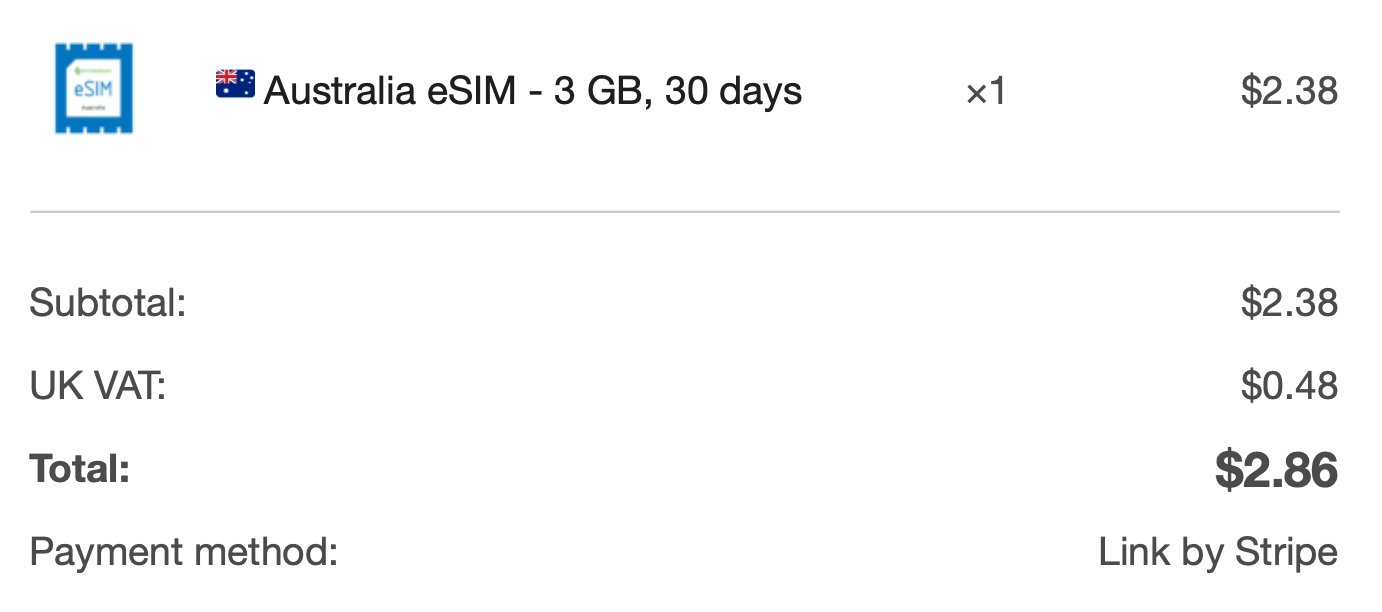
Such competition means driving prices down. To the point that for my last trip to Australia, I was able to buy an eSIM for my partner for 2.38 USD. We just needed 3 GB for 7 days, and this offer from Spark Roam was the best.
Japanese iPhone 17 Pro is better than Malaysian 15 Pro
Normally, I'd buy my new iPhone in Malaysia, where I'm currently based. However, there's one specific difference that Apple doesn't advertise. The space previously occupied by SIM tray is now utilized by larger battery. Therefore, multiple tests showcase that the iPhone 17 Pro eSIM-only lasts up to 2 hours longer than the same model with eSIM + slot for physical Nano SIM.
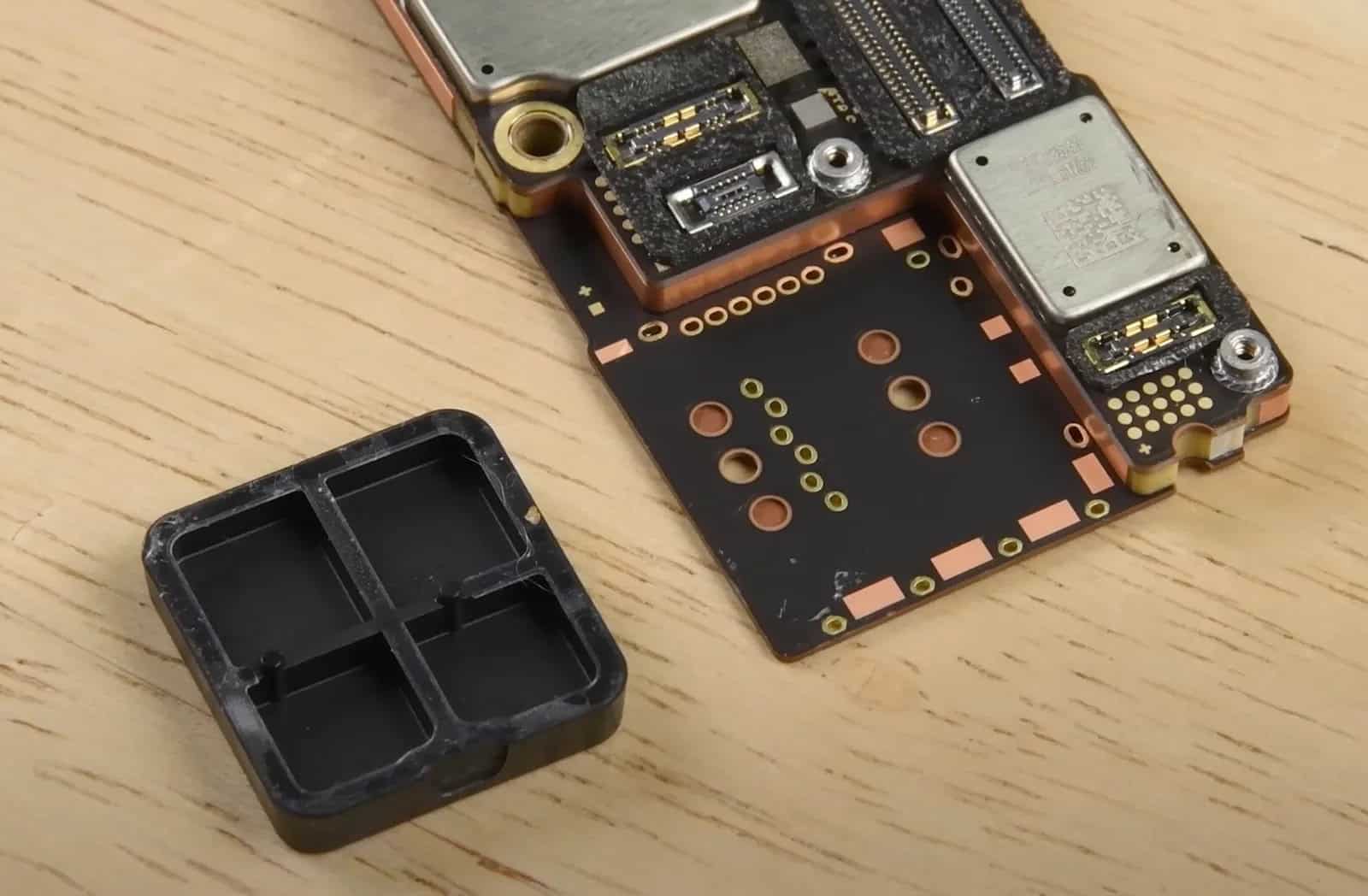
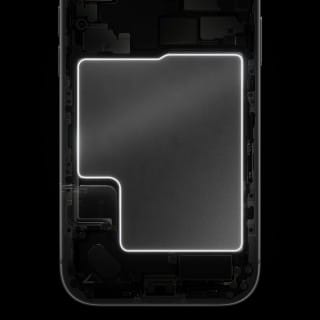
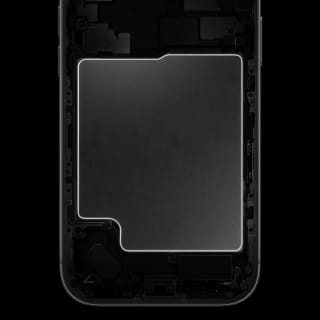
Battery size of iPhone 17 Pro with SIM tray vs iPhone 17 Pro eSIM-only | Apple
Advantages of iPhone 17 Pro from Japan
- The eSIM-only model has bigger battery.
- Japan is the closest destination from Malaysia where they offer this model.
- The new vapor chamber and aluminum unibody keep the phone cooled down.
- My iPhone 15 Pro heats up due to high ambient temperature in South East Asia detteriorating battery, performance, and calls.
- The final price is low due to weak exchange of Japanese yen.
Considering the above factors, I was ready to buy the new iPhone. However, because Apple designated only the above-listed countries, it was impossible to get the eSIM-only version elsewhere.
Luckily, a friend was flying from Japan to Malaysia. As Apple stores don't offer international shipping, I ordered my model on apple.jp, with delivery to my friend in Osaka, and asked them to bring it to Kuala Lumpur.
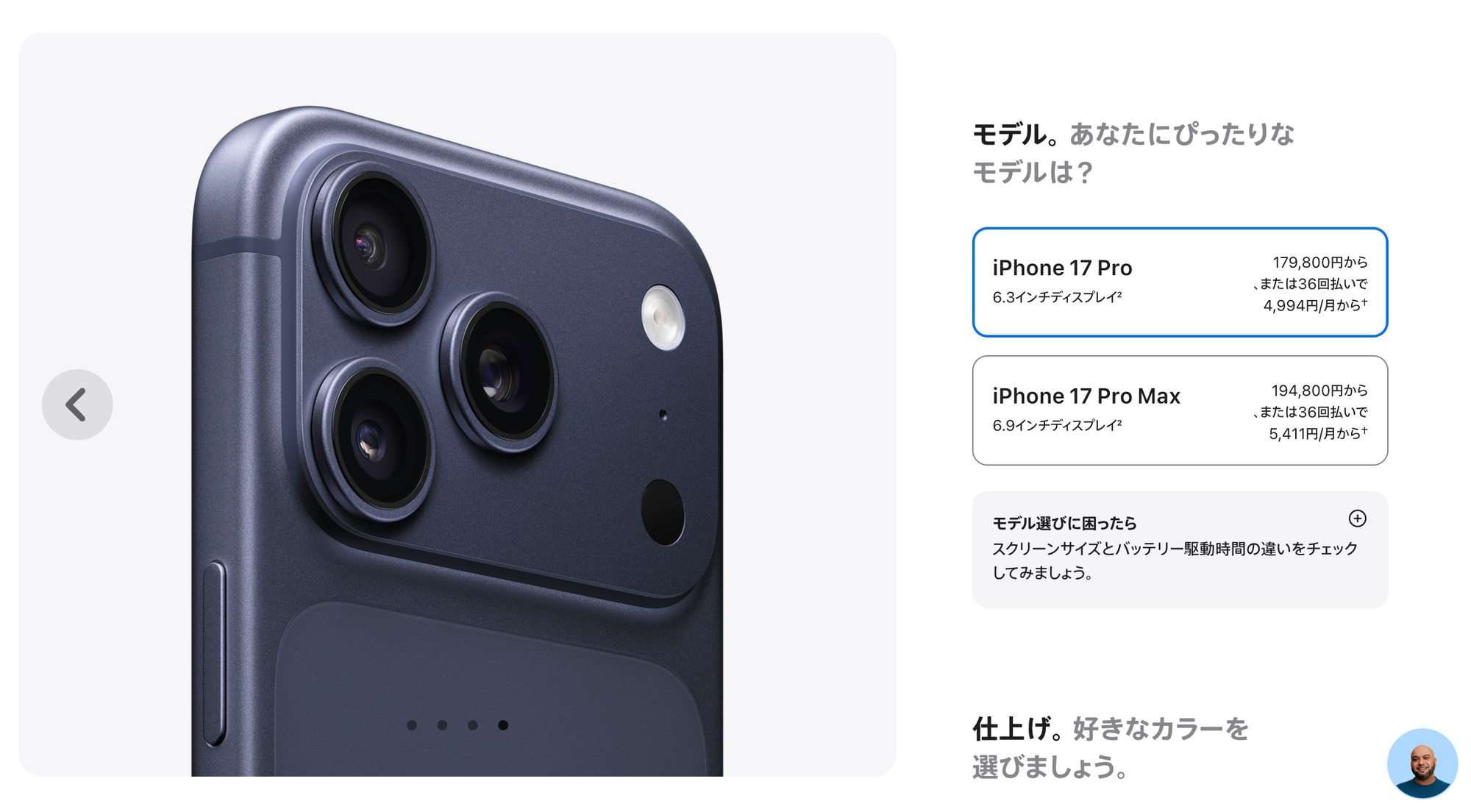
Make the switch to eSIM
Years ago, researching for the best local SIM card deal was a thrill. But now it became a drag. Error-prone, full of scammers, and time-consuming. Also, storing the tiny nano SIM cards is problematic, as they are easy to break or get lost.
On the other hand my iPhone 15 Pro annoyed me. I love the outdoors. Calling my friends during a stroll in the park is one of my favorite things to do. Only now, after the switch to the 17 Pro, I noticed that we can converse for hours without call drops. Because the new iPhone remains cool.
Even if getting the eSIM-only 17 Pro means a trip to Japan, I highly recommend doing that. The eSIM adoption is at the level where it's fairly easy to install and swap eSIMs to stay in touch. Anywhere you go next.


Discussion