


I've been visiting Southeast Asia since 2013. While Bali, Bangkok, and Da Nang consistently rank among the top nomad destinations, Kuala Lumpur has been my base. The reliability of the Internet and mobile connectivity is one reason.
Which Malaysian mobile operator is the best for nomads?
It's a developing story. In the past, I used prepaid plans from Celcom, Digi, and their merged CelcomDigi brand. Currently, the best option for me is Hotlink. That’s because I cross-reference a few crucial factors:
- Prepaid plans to avoid overspending
- eSIM to avoid the loss of a SIM card
- Validity for 365 days to keep the same number while traveling outside Malaysia
- Quality of the infrastructural network to ensure speed and low latency
- Ease of topping-up via the app or website to avoid the hassle of going to a physical store
What Hotlink offers?
All telcos display their offers confusingly. With fine print buried in the terms or details visible only in the mobile app. At least with Hotlink, I already know the specifics, like:
- rates change but are generally around 20-30 MYR for 15-30 GB per month
- eSIM can be requested at their official stores in person
- It costs 30 MYR to extend the validity of the eSIM for a year
- Maxis (Hotlink’s parent company) is the second-largest telco in Malaysia
- The tops-up can be done via Touch ‘n Go e-wallet with funds from my Wise account

Get a free debit card or zero fees on a transfer up to 500 GBP with Wise.
This combination serves me well. The network is reliable enough for navigation, texting, video calling, and using AI. Occasionally, I use it as a hotspot for my laptop. Even if I run out of data, I can add more instantly. Moreover, I successfully roamed with Hotlink in Thailand for two months.
 Piotrek Bodera
Wi-Fi for heavy workloads
In Southeast Asia, and so in Malaysia, internet access is a commodity. Every cafe, restaurant, hotel, or apartment has a free Wi-Fi offering 2.4 and 5 GHz bands. Coworkings or conferences step up to offer the newest standards like Wi-Fi 6 or 7. Because locals depend on this infrastructure as much as nomads and tourists.
Hence, I too rely on Wi-Fi to record my video podcasts, backup files, and stay in touch. And the only time I had connectivity issues was when my apartment host forgot to pay the ISP bill. Luckily, he resolved the issue in a few hours.
Seamless switching between networks
The beauty of staying online in Malaysia is that devices automatically switch between networks. iPhones have done it well for years. But I'm glad to see further improvements like the Connectivity Assist feature in iOS 27. Once enabled, your phone automatically uses cellular data if Wi-Fi is slow or unusable.

Coverage is never ideal
Like anywhere else, you can experience spotty connectivity in Malaysia. The signal can be weak in mountainous areas and far from urban centers. Even if you have full bars within the city, the speed can be slow. Like at the recent Pokémon event in Kuala Lumpur. Where thousands of fans overloaded the network catching limited edition Pikachus in Pokémon Go. Actually, it's a recurring issue since the first event in Chicago in 2017.
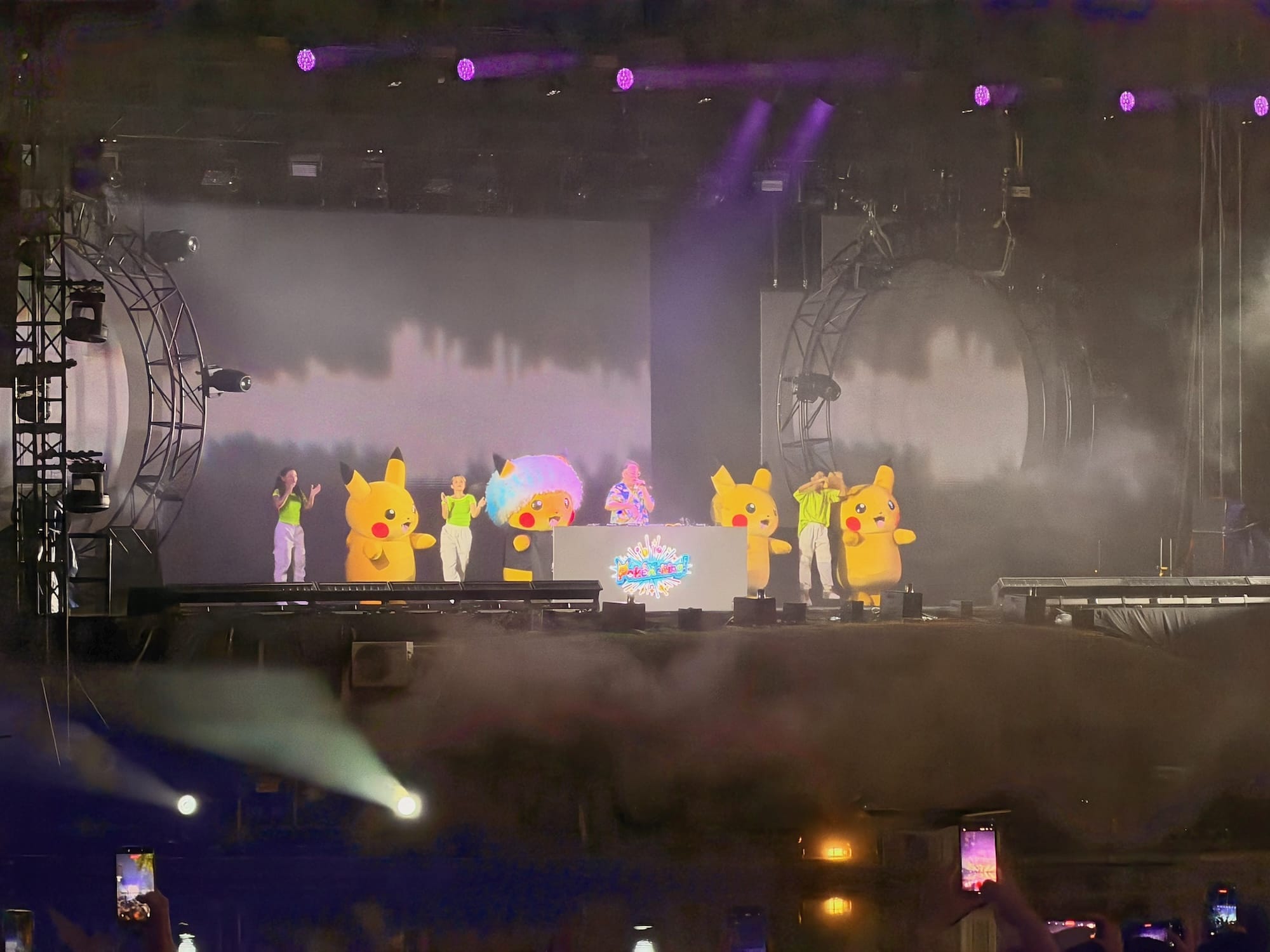






The Pokémon 30th anniversary drone show in Kuala Lumpur in 2026
The future of connectivity
The current mix of 5G/4G and Wi-Fi addresses most digital nomads’ needs. Especially work-wise. Still, I'm thrilled to see innovations that expand and improve Internet coverage, like:
- Dedicated satellite connectivity since the iPhone 14
- Apple C-series cellular modem that reduces battery consumption
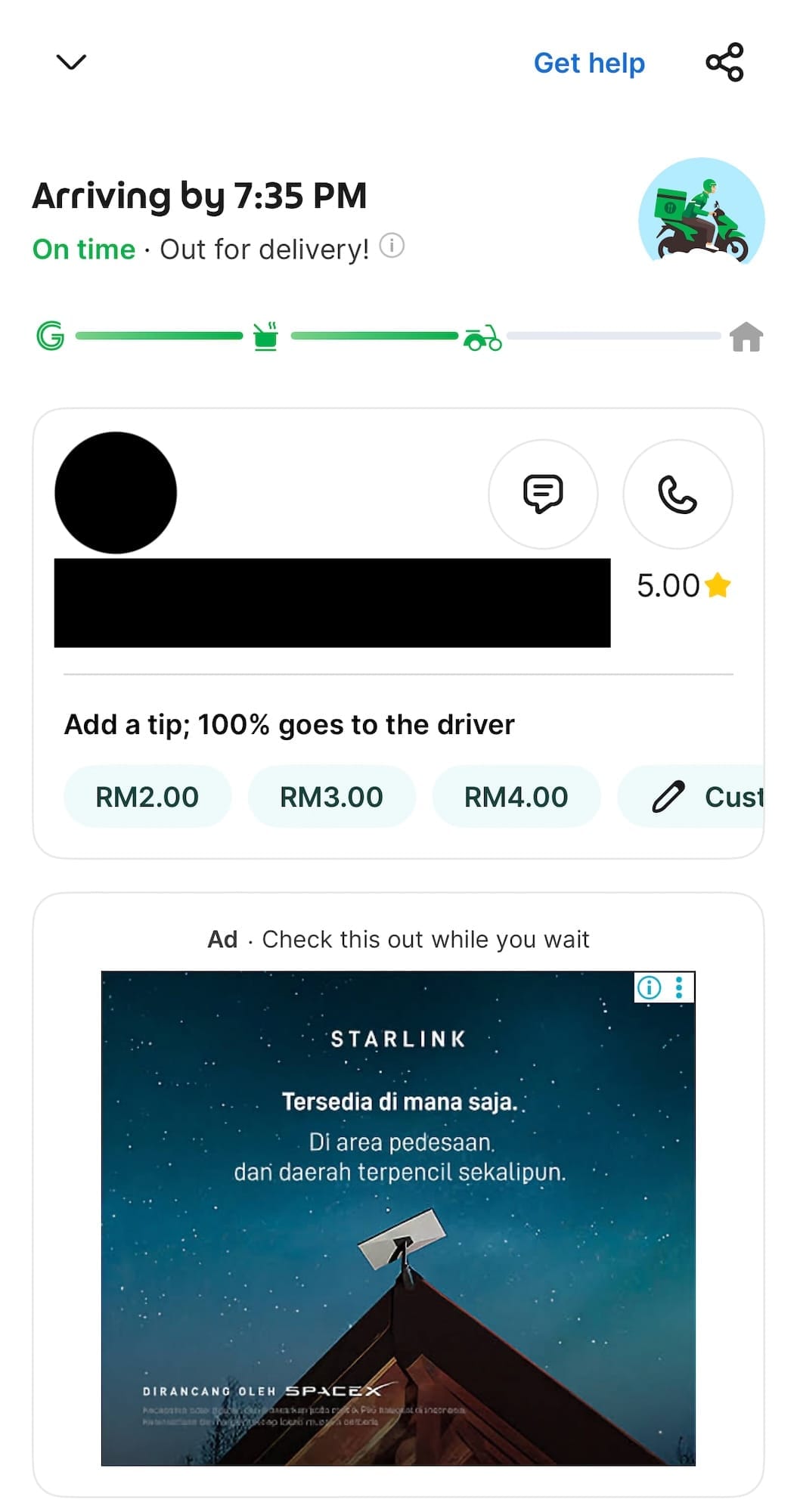
- Starlink, that's already available and being promoted in Malaysia
- Satellite-to-cellular connectivity offered by many telcos
- Amazon Leo's acquisition of Globalstar to compete with Starlink
- Possibility of a MacBook with a built-in C-series modem and eSIM
These technologies directly affect nomads’ lives. It unlocks working from even more exotic and remote locations. While improving our safety during hikes or sailing. Not to mention, it helps local businesses and communities thrive. As they too can get a fast and reliable Internet connection.
Over to you
What's your connectivity experience in Malaysia? How does it compare to the rest of Southeast Asia? Do you use Starlink or other satellite connectivity in Malaysia?
Reply and tell me what you think. I strive to respond to every comment, and I'd love hearing from you.
See you next Tuesday.


Discussion