


Japan knows how to organize massive events. They are meticulous, and it's very satisfying to observe how each little detail is perfected. Back in 2019, I was excited to see the Tokyo Olympics, but the pandemic canceled this plan. Therefore, the World Expo in Osaka became my new opportunity to experience the state-of-the-art Japanese organizational mastery. Moreover, I was amused by the originality of pavilions at the expo.
Getting in and out of the expo
Like many locals, I too love the Japanese trains. Obviously that's the preferred transportation to access the World Expo. Therefore, I was very pleased to discover that the Osaka train networks decided to unlock native card payments.
They've already had the NFC readers at the gates for a long time. However, passengers were required to use the local prepaid transit cards, like Suica. Removing the often finicky top-up steps and allowing all payment cards greatly improved the flow of passengers. So it seamlessly worked with any Apple Pay or Google Pay card you already had. Much like in Sydney and Singapore.


Awe-inspiring wooden ring
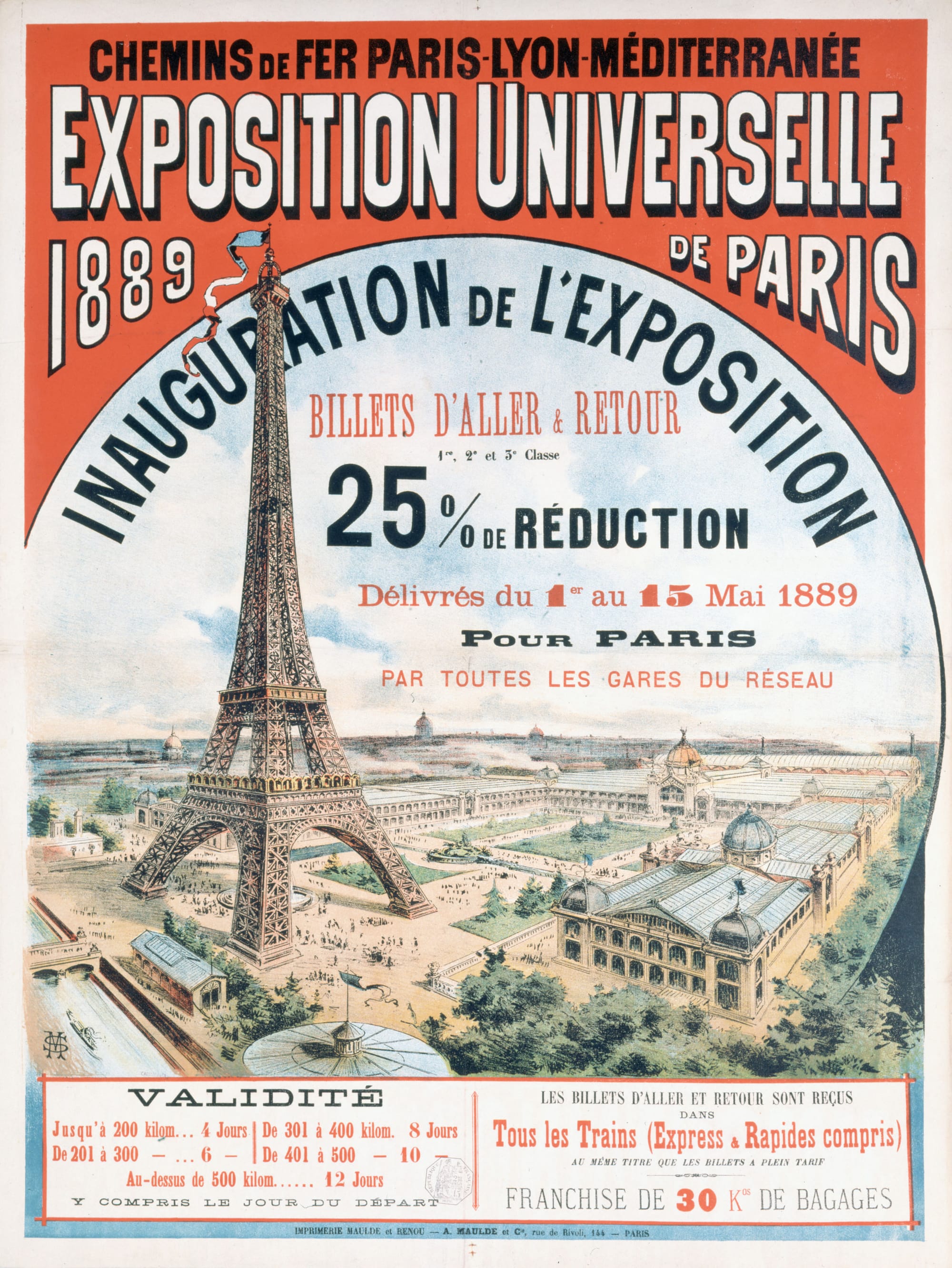
Back in 1889 Paris surprised the world with the tallest tower built specifically for their expo. Today, the Eiffel Tower is the most recognizable symbol of the city.
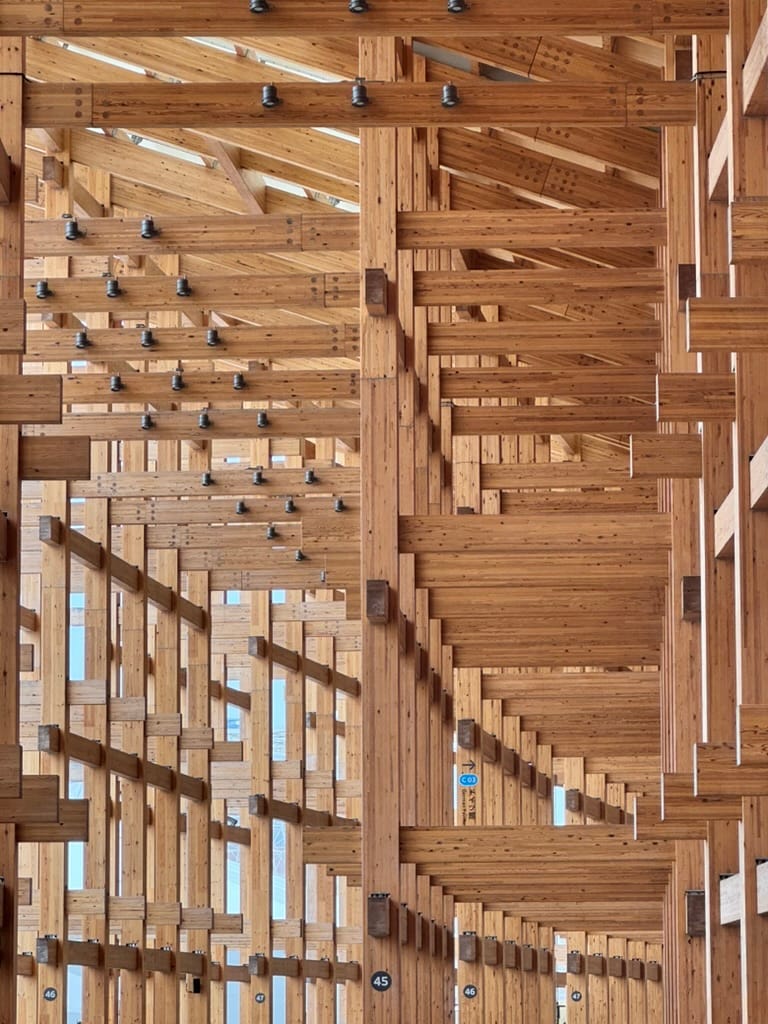
In 2025, Osaka decided to impress its visitors with the largest wooden structure. Certified by the Guinness World Records. The Grand Ring measured:
- circumference of approximately 2 km (1.24 mil)
- inner diameter approx. 615 m (ca. 2,018 ft)
- outer diameter approx. 675 m (ca. 2,215 ft)
- width approx. 30 m (ca. 98 ft)
- height approx. 12 m to 20 m (ca. 39 ft to 66 ft)
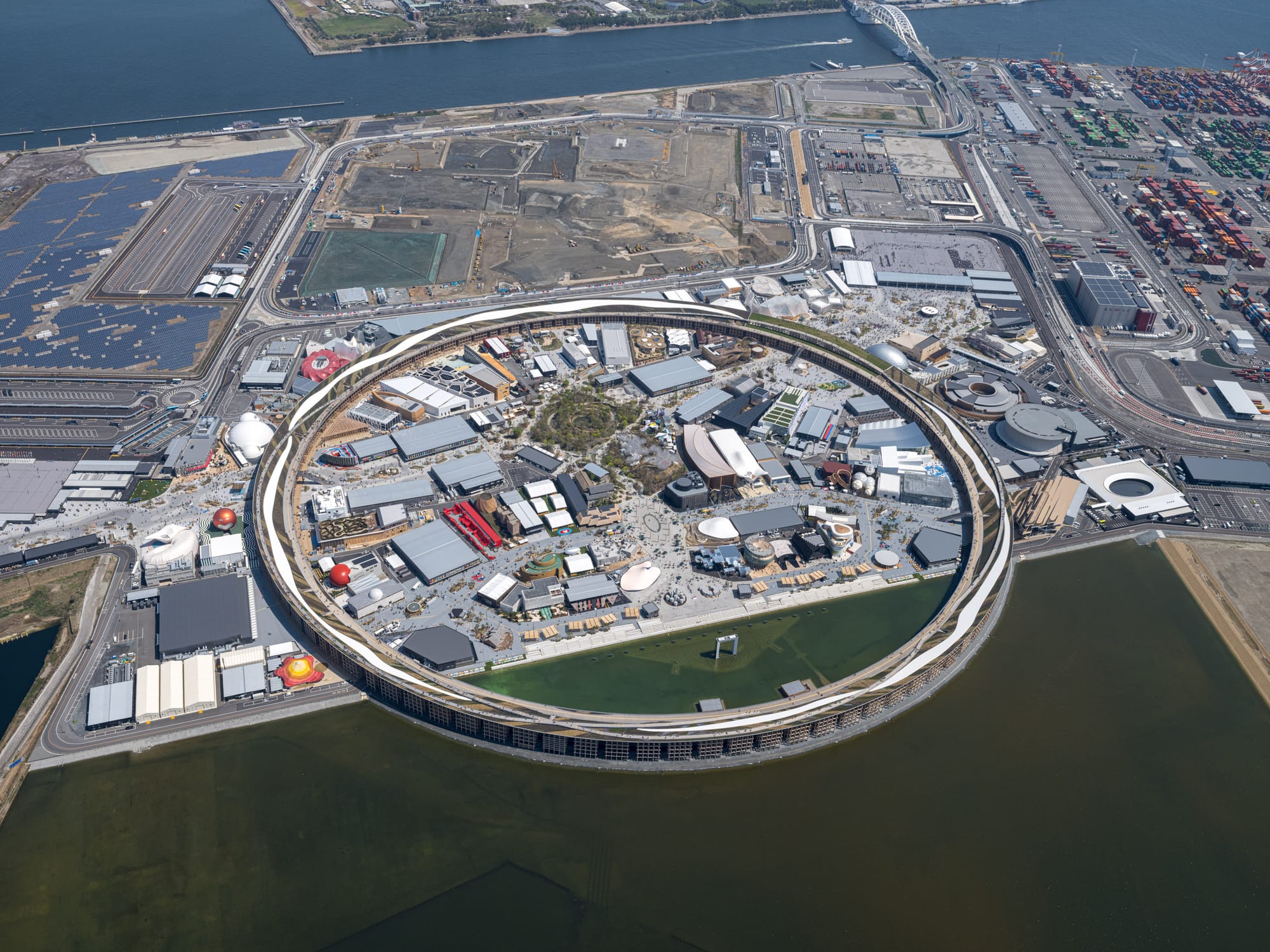
These numbers were challenging to grasp until we saw the ring up close. It was spectacular! A simple pattern of perpendicular beams repeated ad infinitum. Like the torii gates in Fushimi Inari, Kyoto. With the grandeur of Todaiji, the Buddhist temple in Nara, that's 57 m (187 ft) long , 50 m (164 ft) wide, and 49 m (160 ft) high.
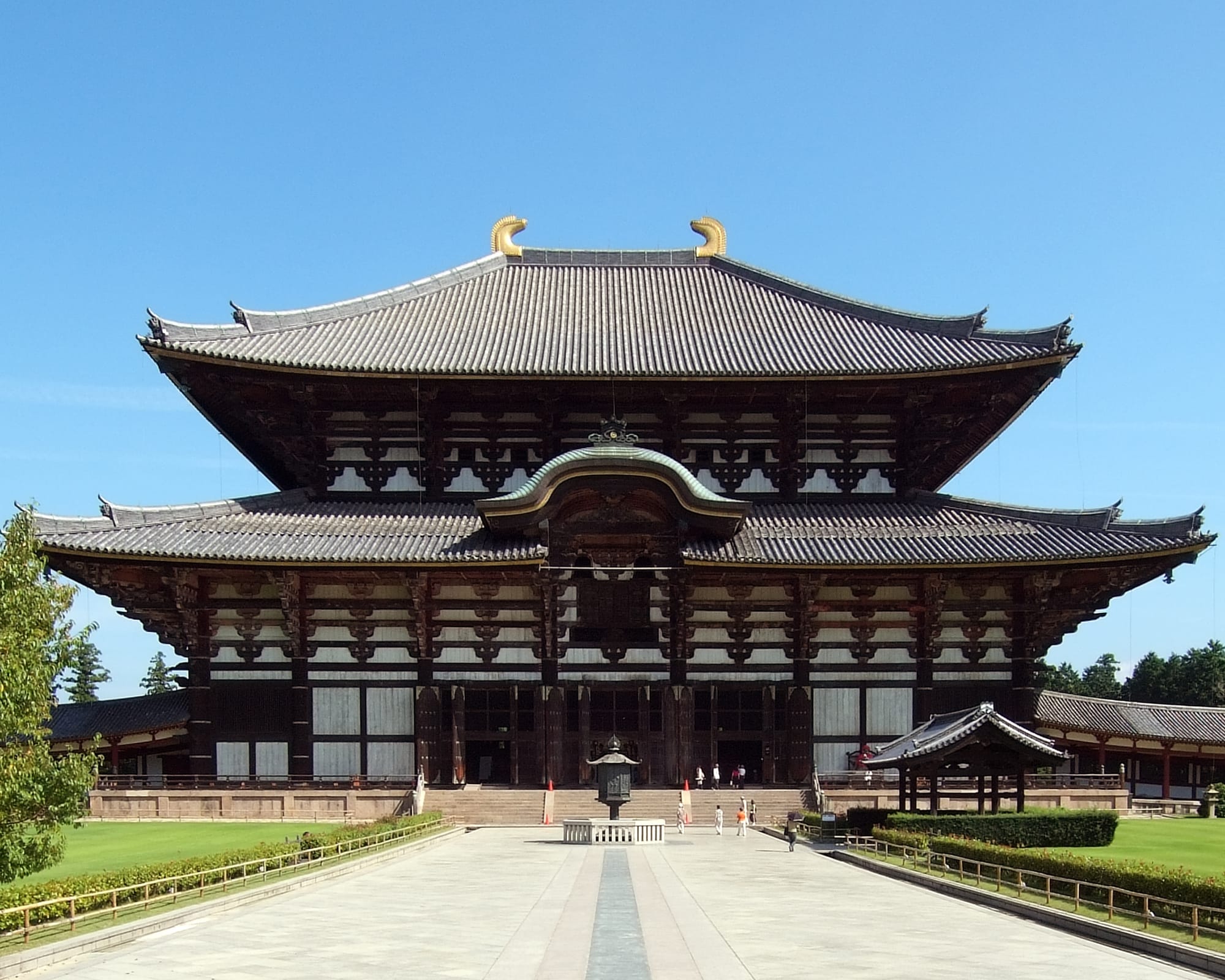
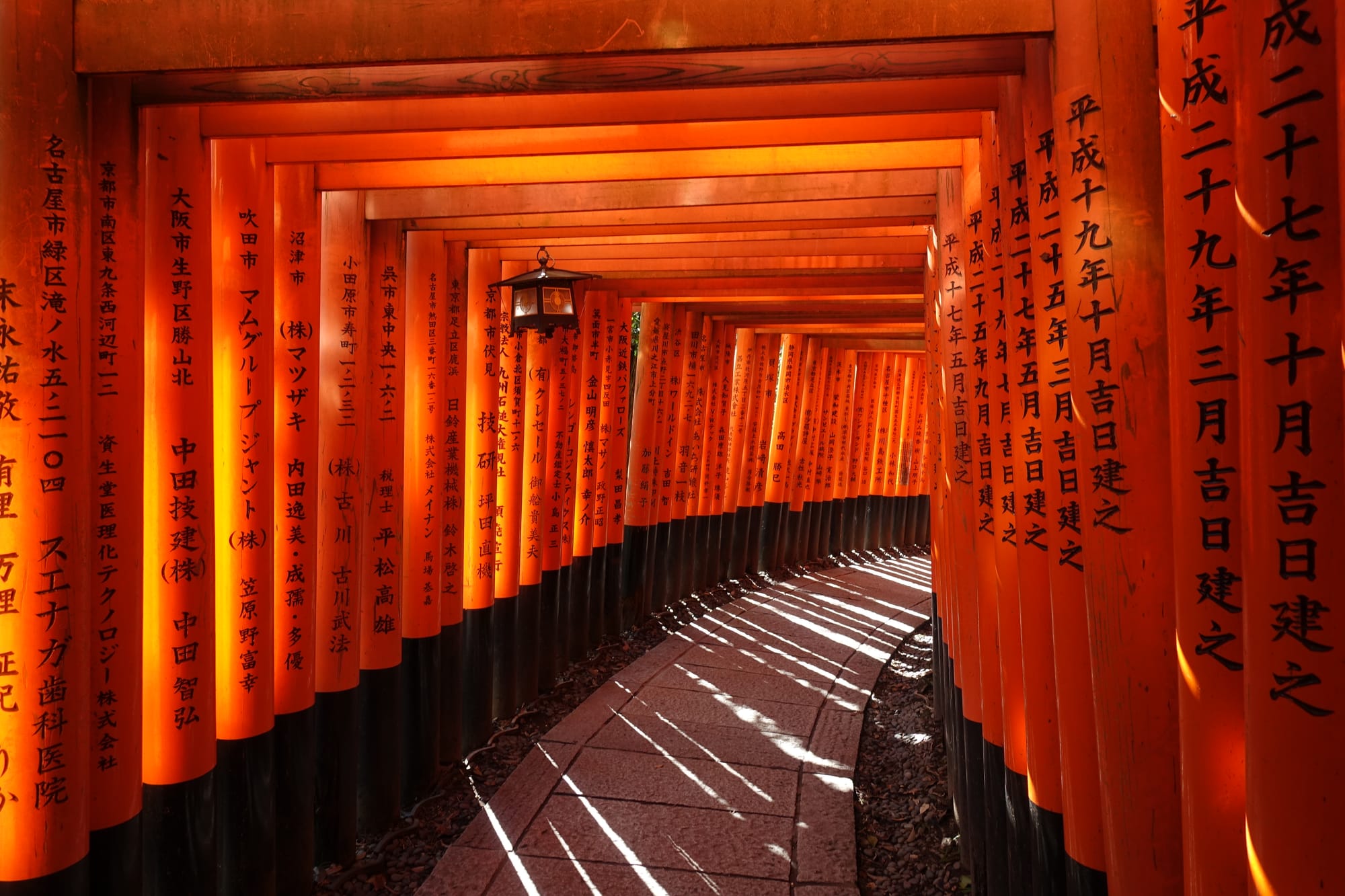
Todai-ji by Wiiii, CC BY-SA 3.0 and Fushimi Inari by Luka Peternel, CC BY-SA 4.0
Most importantly the wood created a unique atmosphere. I adore the coziness of wooden buildings and the gentle smell they emit. Here, the Japanese built a massive structure that represents their culture. A proof of their architectural excellence, attention to detail, renowned hospitality, and practicality. The Grand Ring served as a:
- cover from rain or strong sun,
- viewing deck for the expo and the coast,
- navigational landmark around the whole expo area.
I hoped that the Grand Ring would be preserved. Similarly to the Eiffel Tower, it was only built for the world expo. Yet, if the Tower became so iconic as to be maintained for over a century, then maybe the Ring will be kept for posterity as well.
Nation branding
Regarding the Eiffel Tower, it was built during the industrialization era. Time passes but it remains a symbol of that time. Then around 1920s, the Expo entered an era of cultural exchange, where thanks to technology (like radio stations) cultural products became easily accessible across the globe.
The current era is aptly named “nation branding”. Essentially, every nation state is looking for a way to present itself from the best perspective. Much like fashion or tech brands that are heavily investing in their logo, colors, marketing campaigns, social media image, and overall vibe. The feeling evoked in customers is the essence of one's branding.
Therefore, the world expo is where each country competes in the feelings game. They lure you in with extravagant architecture of their pavilions. Then invite you for a multi sensory experience inside. And offer local cuisine delicacies at the end.
Malaysia
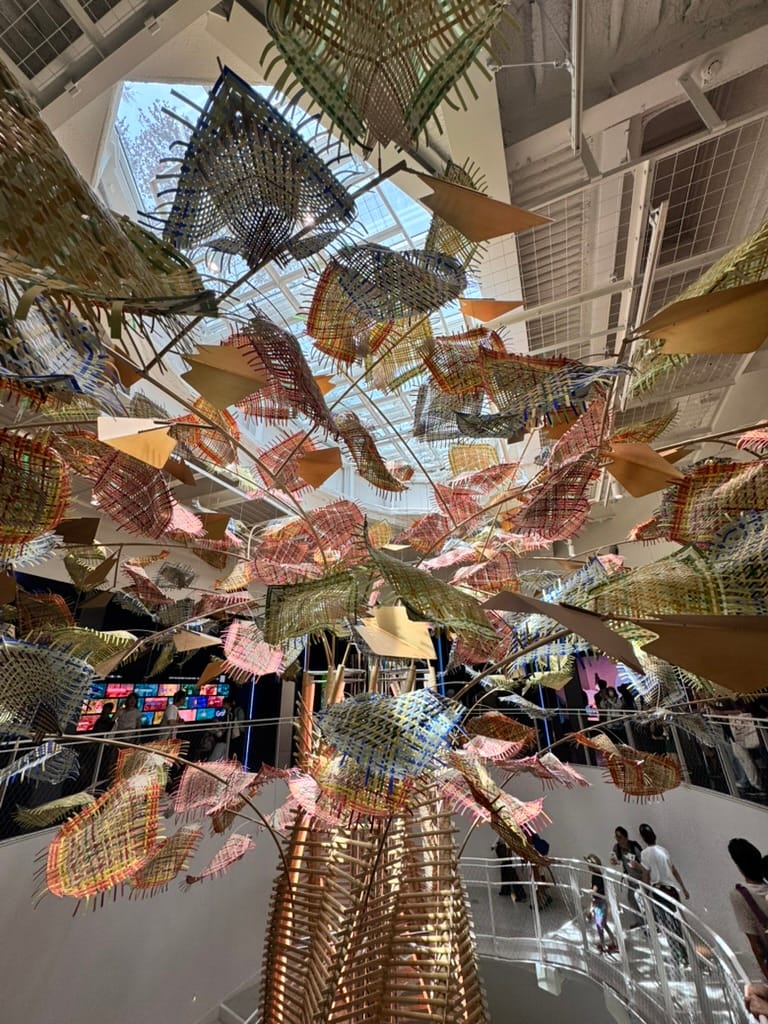
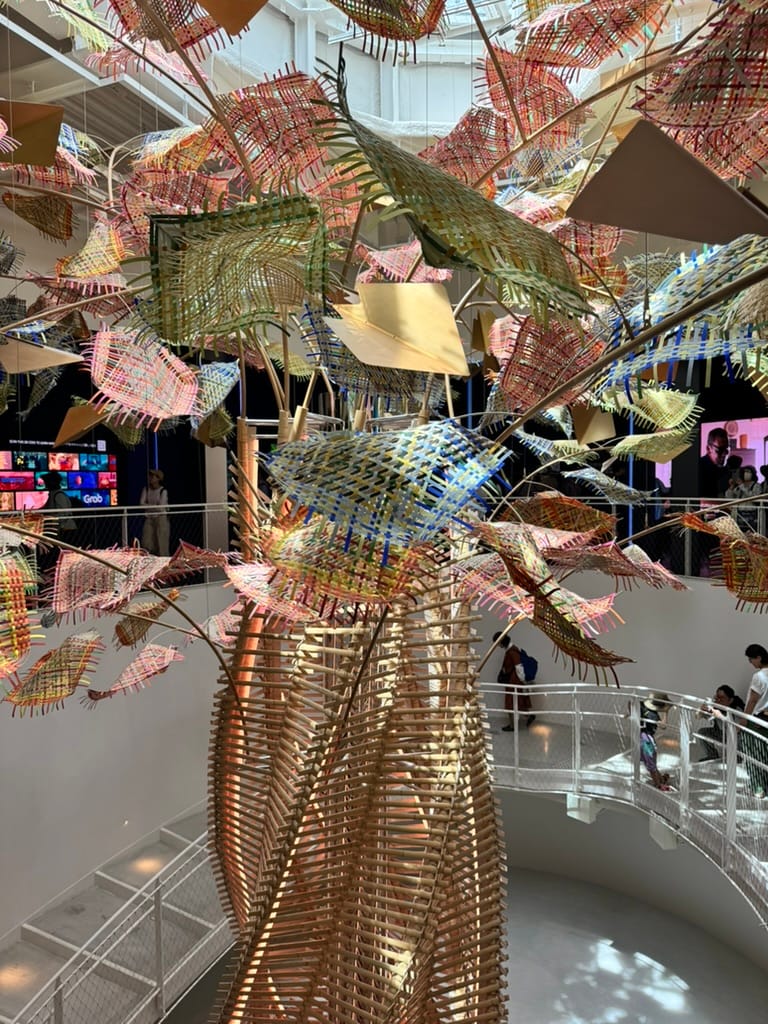
I've been staying in Malaysia on and off for about 4 years, so we started by visiting Malaysia's pavilion. It recreated old-style street food carts blending with the vision of Kuala Lumpur as a smart city of the future. While it was a nice overview, there was nothing spectacular about this pavilion.
The missing exhibit from Perodua (the Malaysian car manufacturer) is what caught our attention. It was a month after expo opening, so all the pavilions should have been fully prepared. We ended up joking that it was on purpose to show that Malaysians tend to be easygoing.
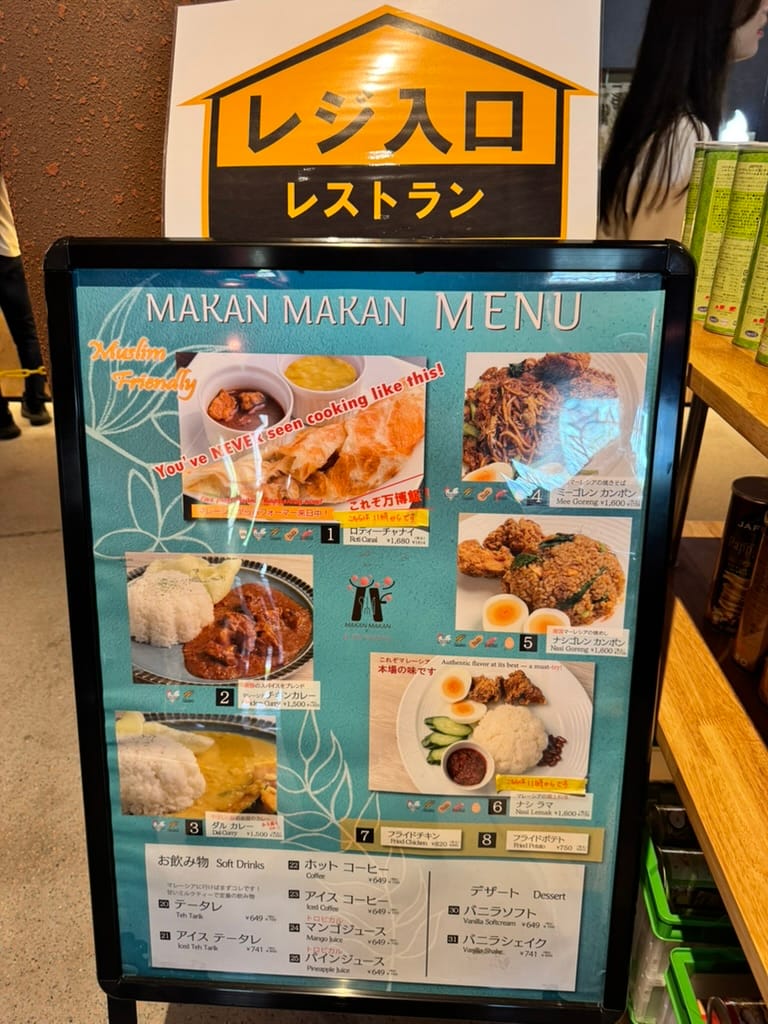
Nevertheless, it was great to discover that their pavilion served Malaysian specialties: nasi lemak, roti canai, or my favorite dal curry.
France
Our friend recommended us to prioritize the French exhibition. Indeed, we were blown away!
It was a giant multiple-room experience that resembled teamLab which we visited prior in Tokyo. Each room was perfectly dark with strategically arranged lights. Dim lamps, high-resolution projectors, chains of LEDs, or glass surfaces without visible edges. All creating a mystical atmosphere.
 Piotrek Bodera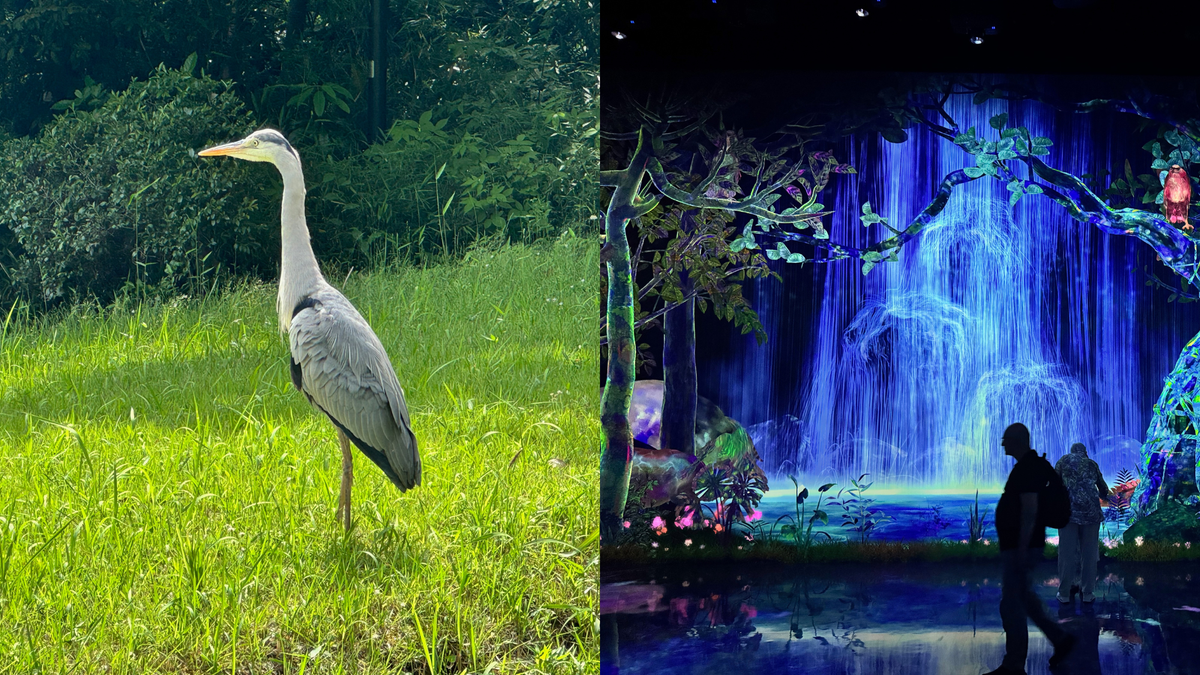
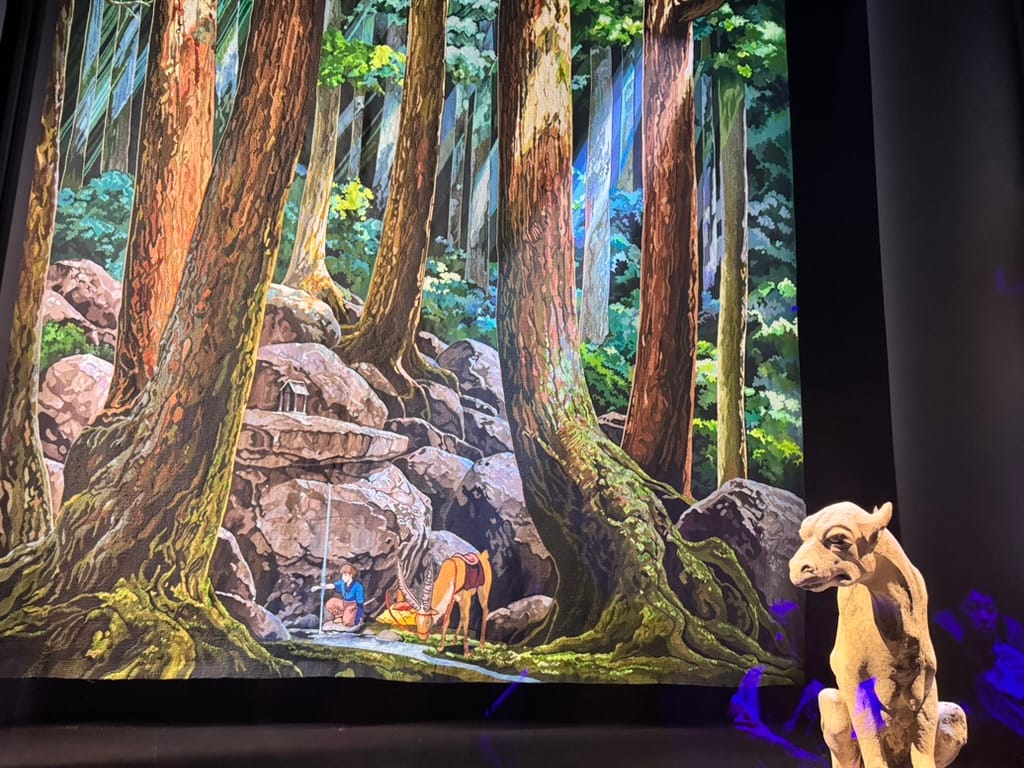
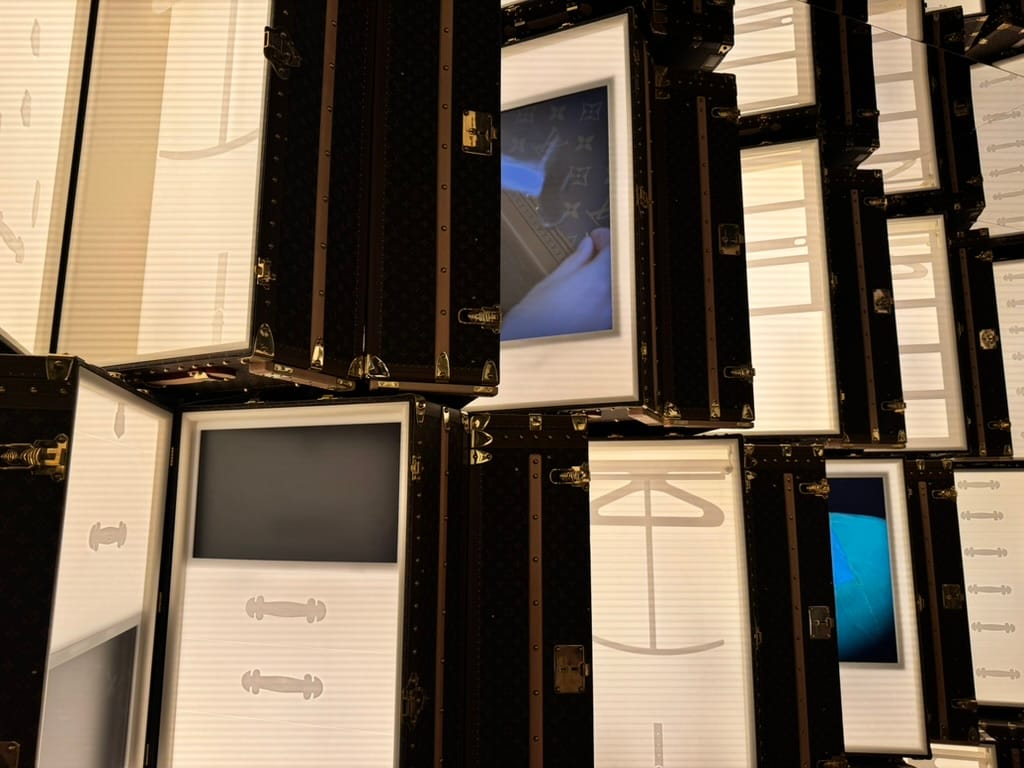
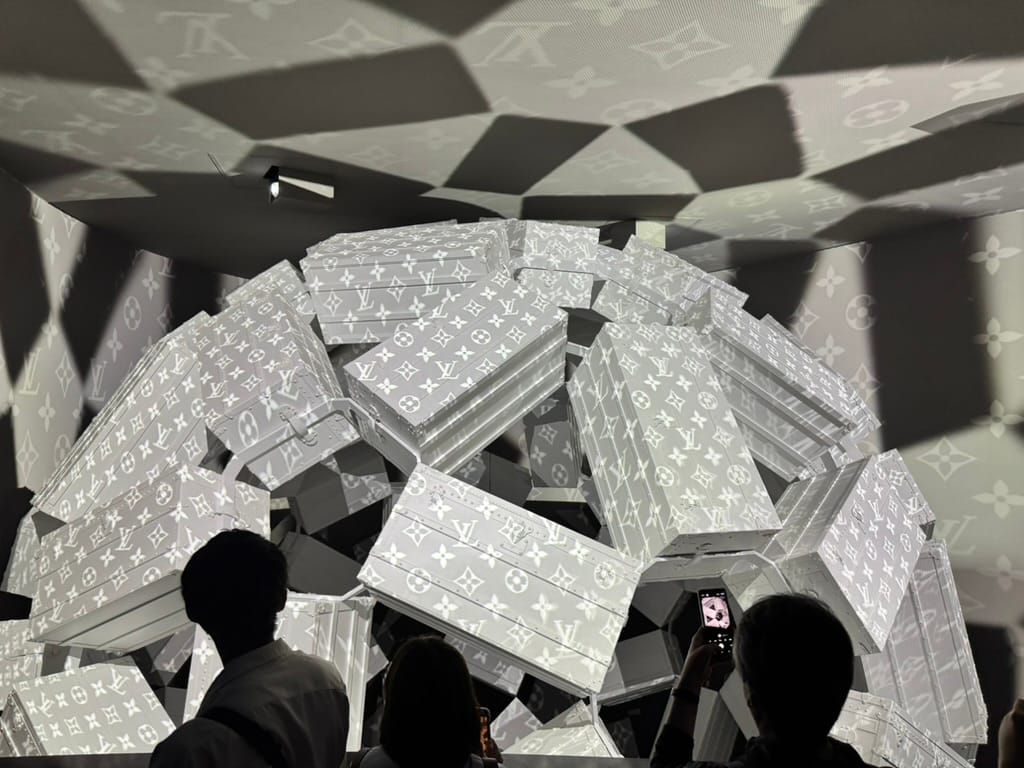
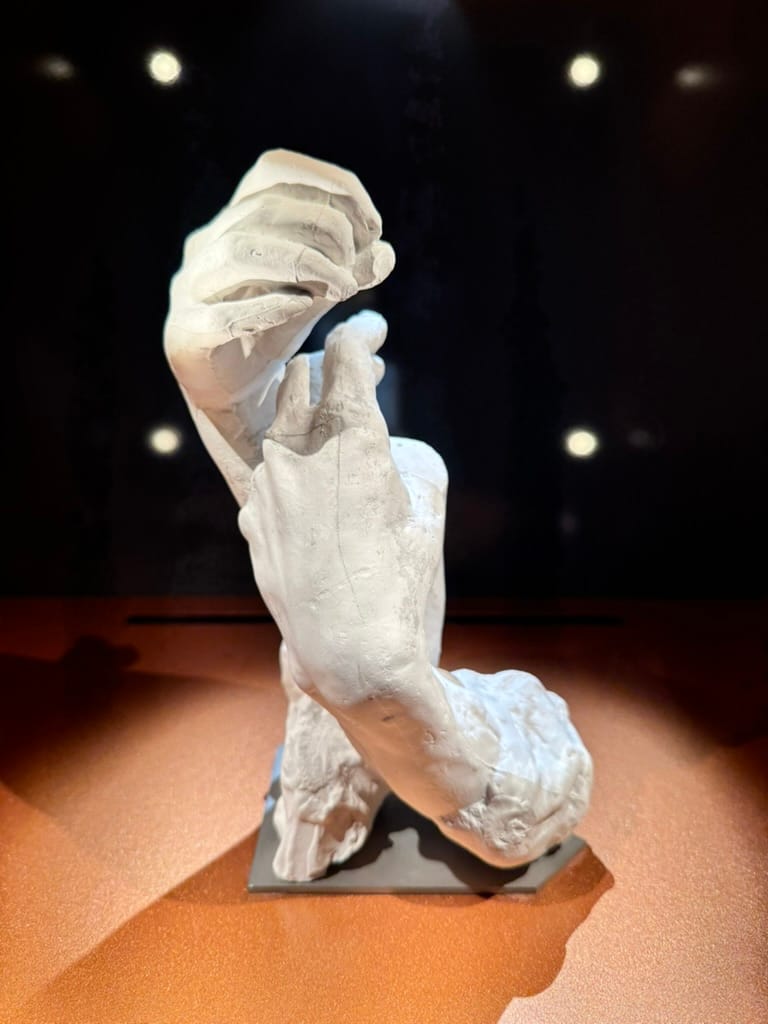
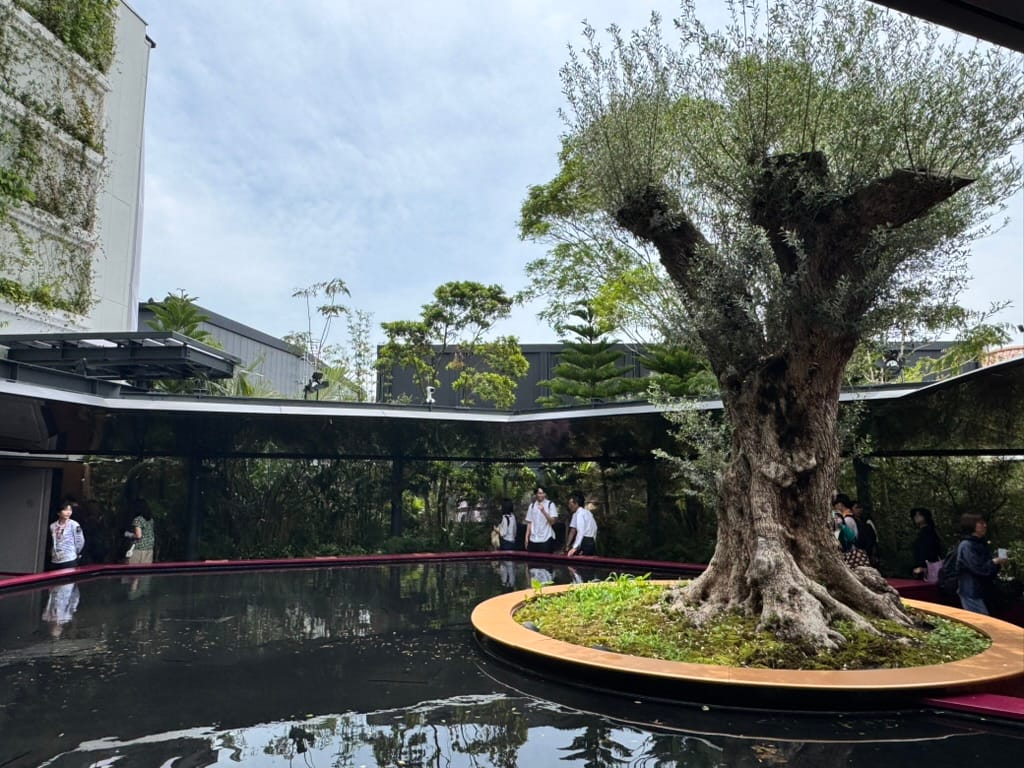
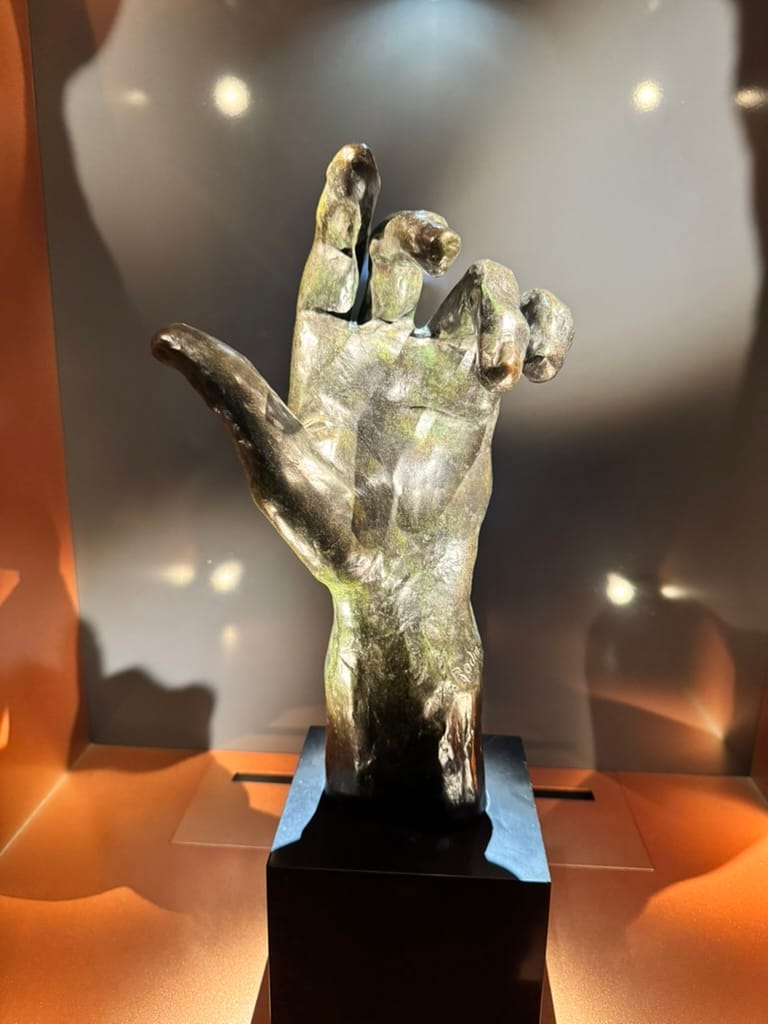


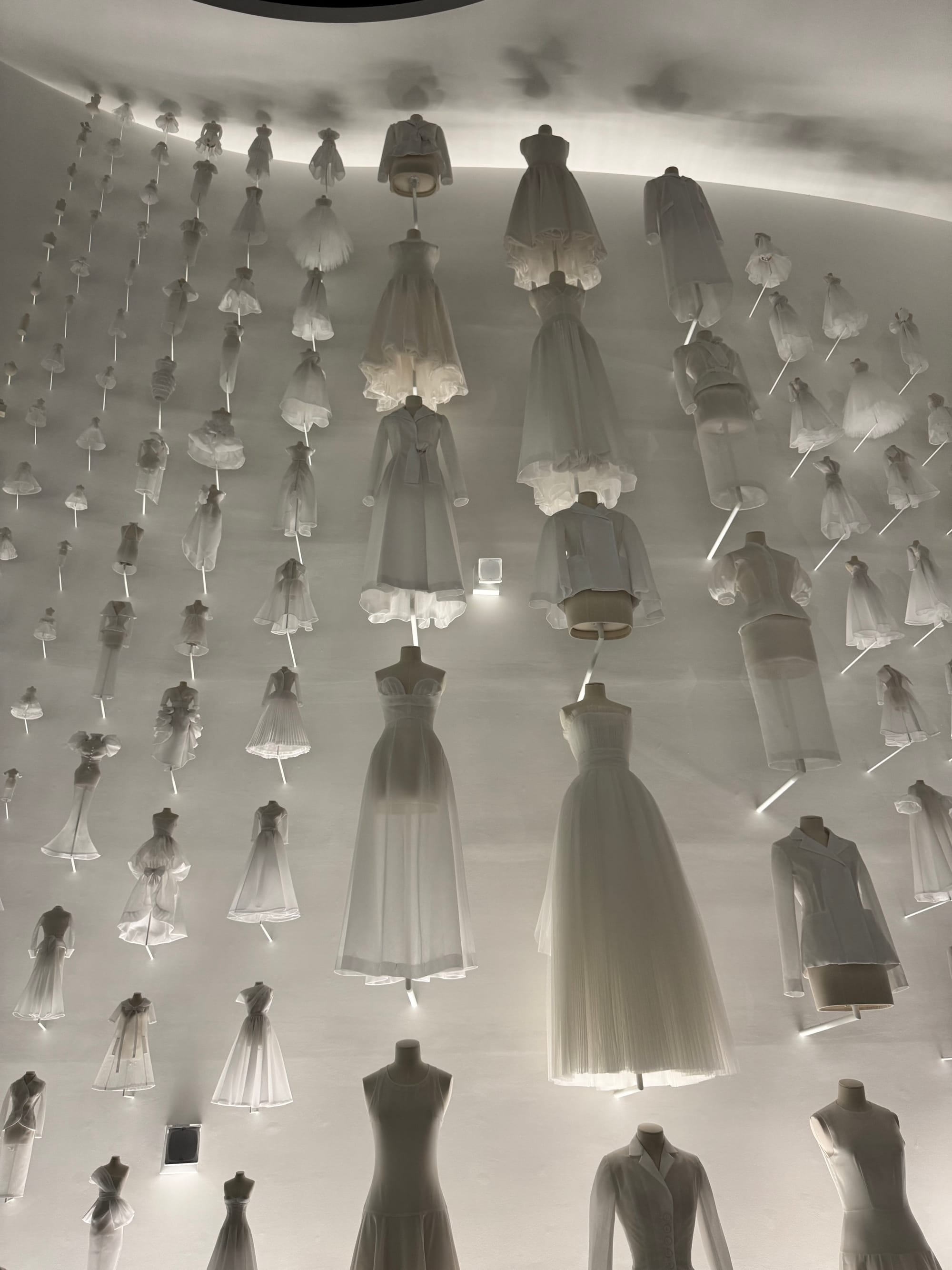

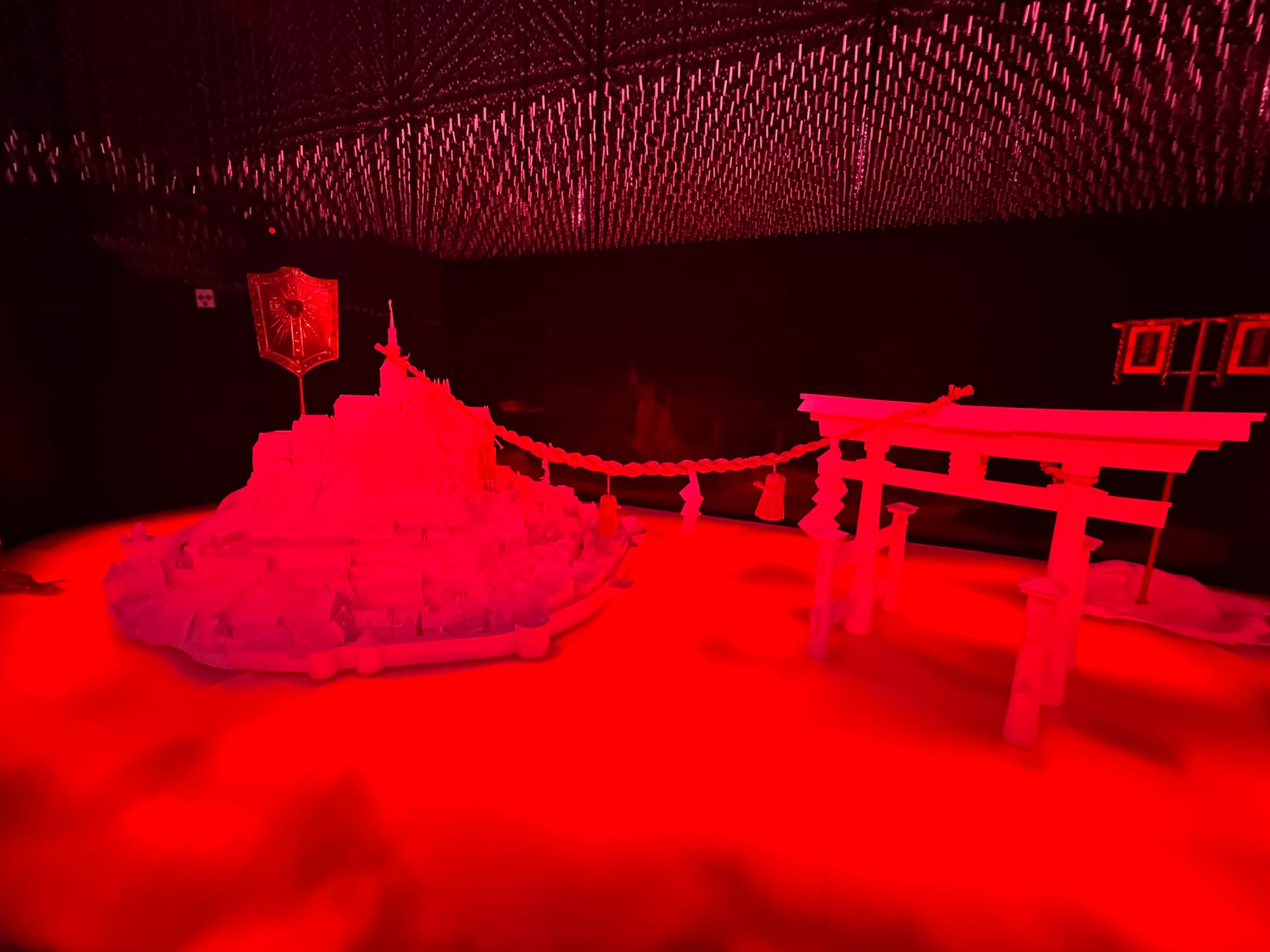
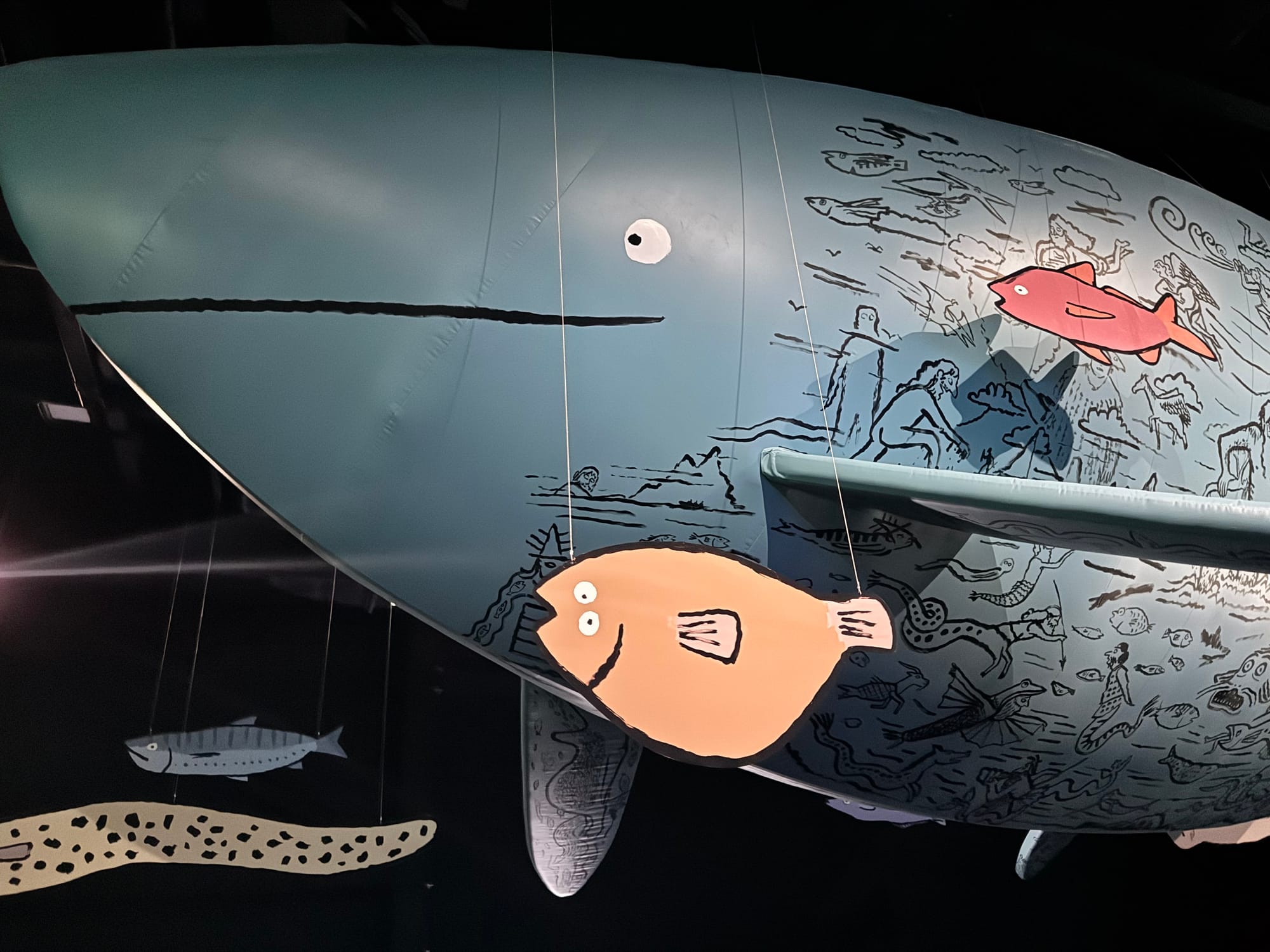
These artistic installations were all inline with distinct French aesthetics. They consisted:
- sci-fi light waves,
- giant sculptures of hands,
- peaceful pond with a tree,
- white space with white fashion,
- a cartoon life-size whale art installation,
- esoteric cave with dream-like animations,
- fantasy version of Louis Vuitton workshop,
- a floating sphere made from wardrobe trunks,
- cinema showing 3 contemporary dancers with Paris cityscape,
- miniature architectural symbols of France and Japan knotted together.
Sure enough, it sounds like a mishmash. And as far as I know, that's an excellent way of showing their diverse and quirky culture.
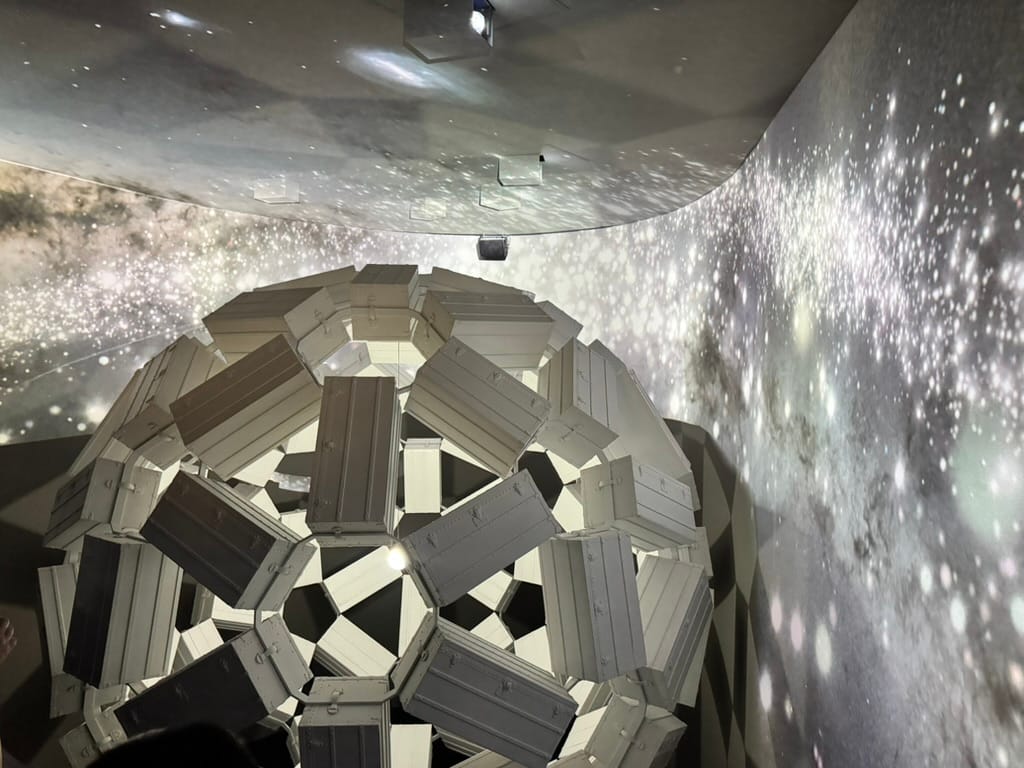
My favorite was the trunk sphere. As it reminded me of French action-adventure game called Remember Me from 2013. It wasn't a major hit, but many gamers, including me enjoyed the original cyberpunk aesthetics of Neo-Paris. Part of the game was happening in cyberspace/human memories with white polygonal objects floating in space. So when I entered the room with the trunk sphere, it felt like I was inside this game. I was stunned!

As our friend said, it was a spectacular pavilion. Well worth visiting.
Poland
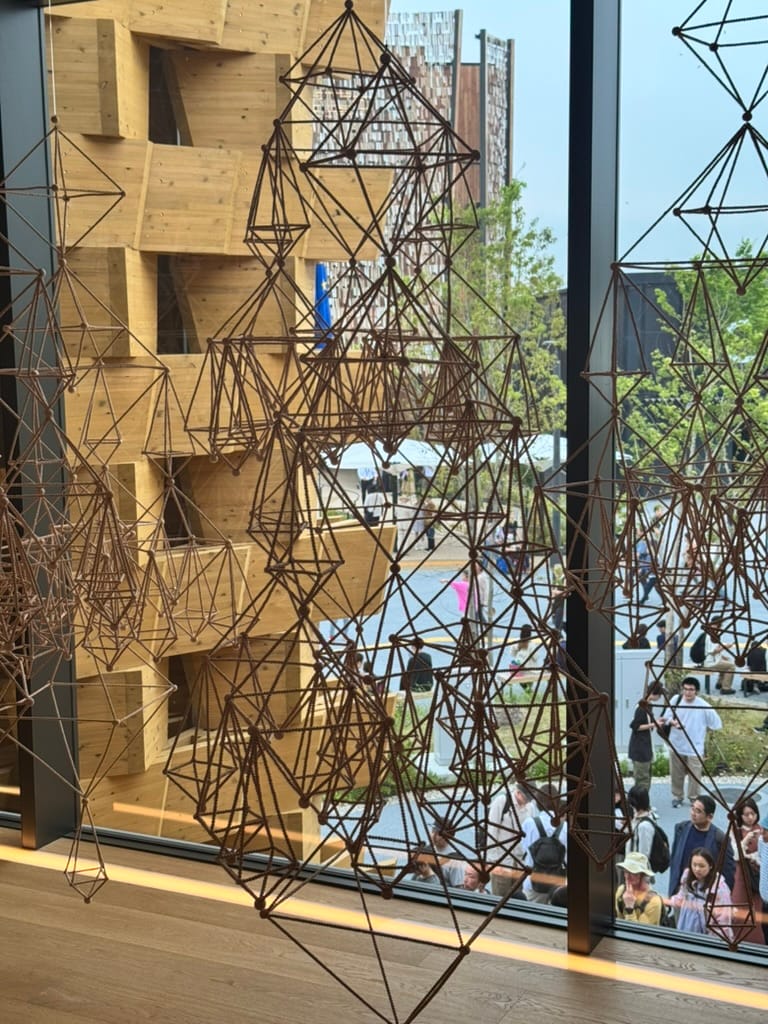
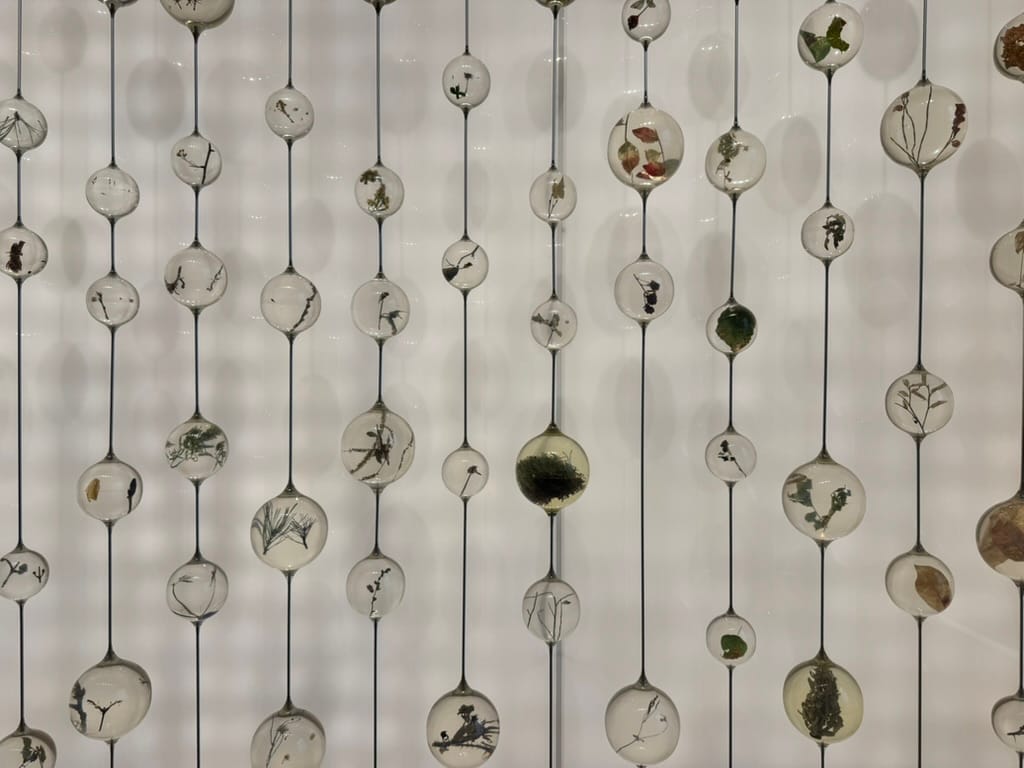
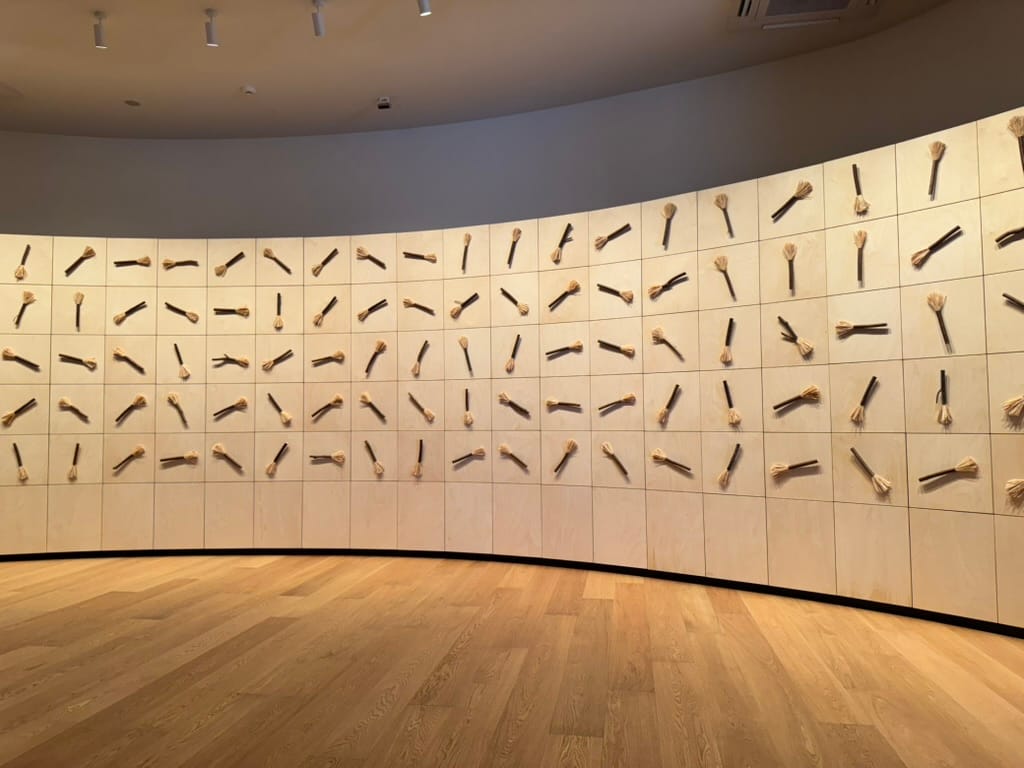
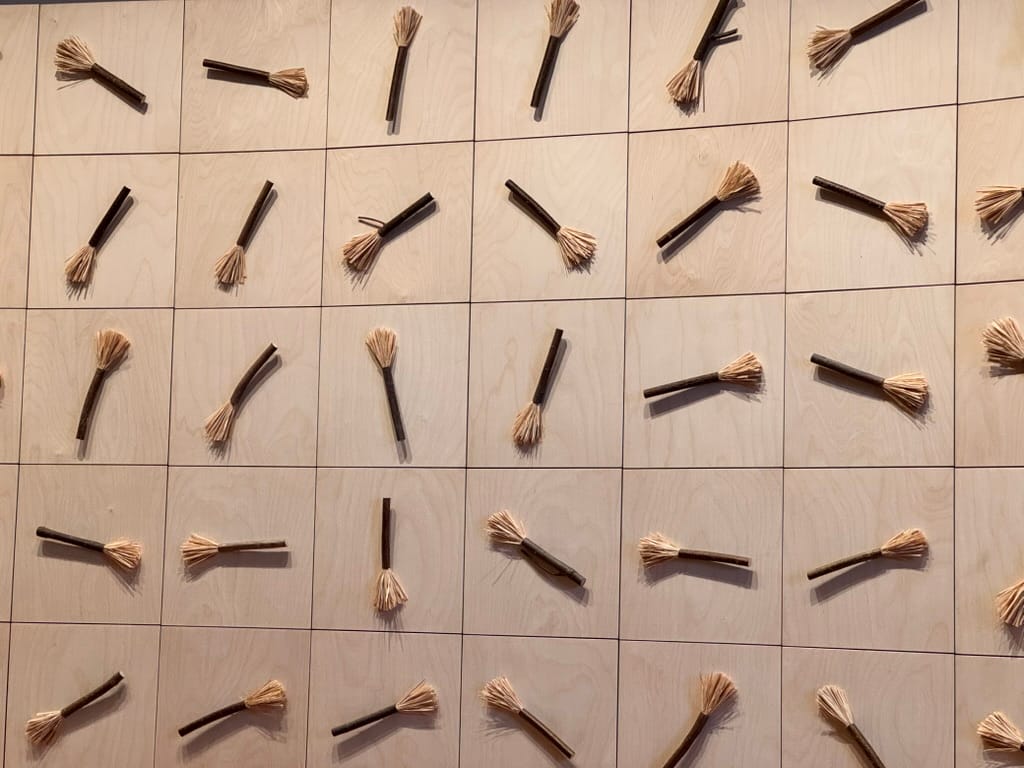
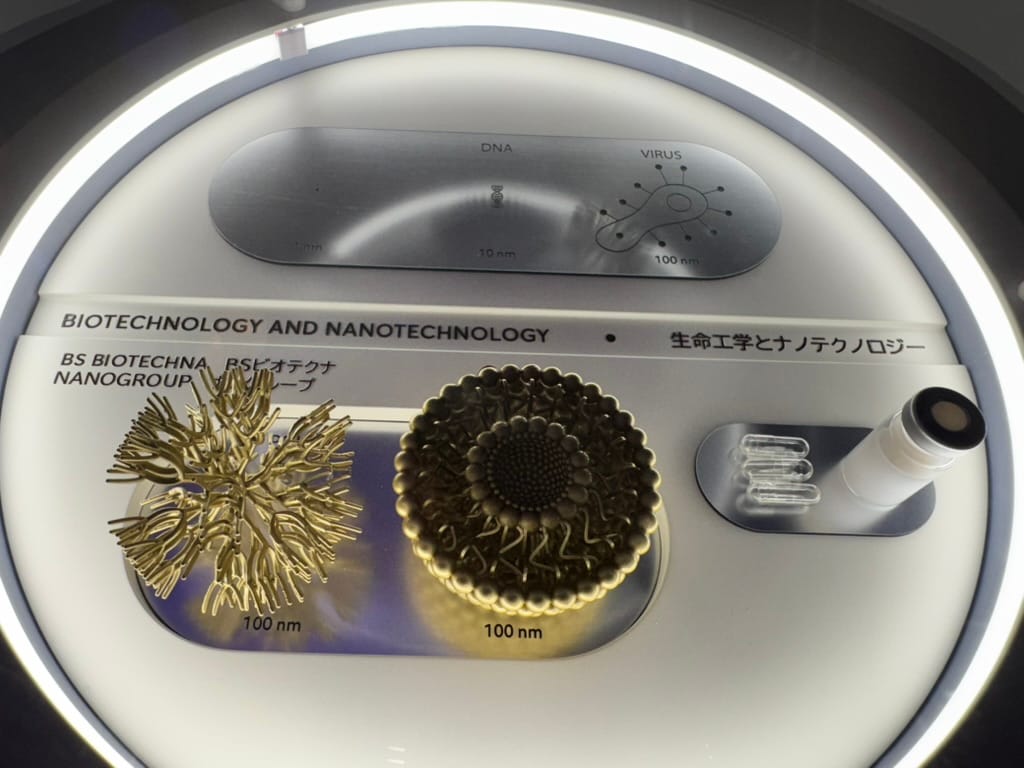
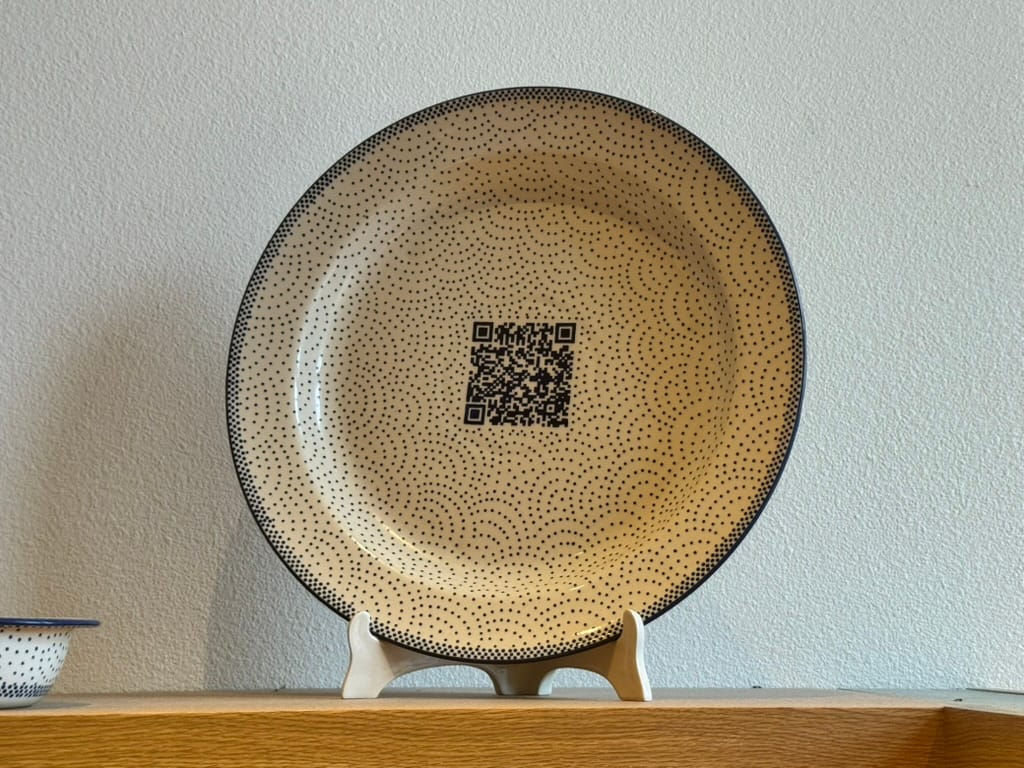
Next was the space representing the Eastern European country where I come from. The outside wooden architecture resembled a woven basket. And indeed, the whole pavilion focused on the traditional Polish culture with displays of herbs, nature-themed animations, pottery and even art installation of wooden brushes that played Chopin's music. He's Poland's most known classical composer.

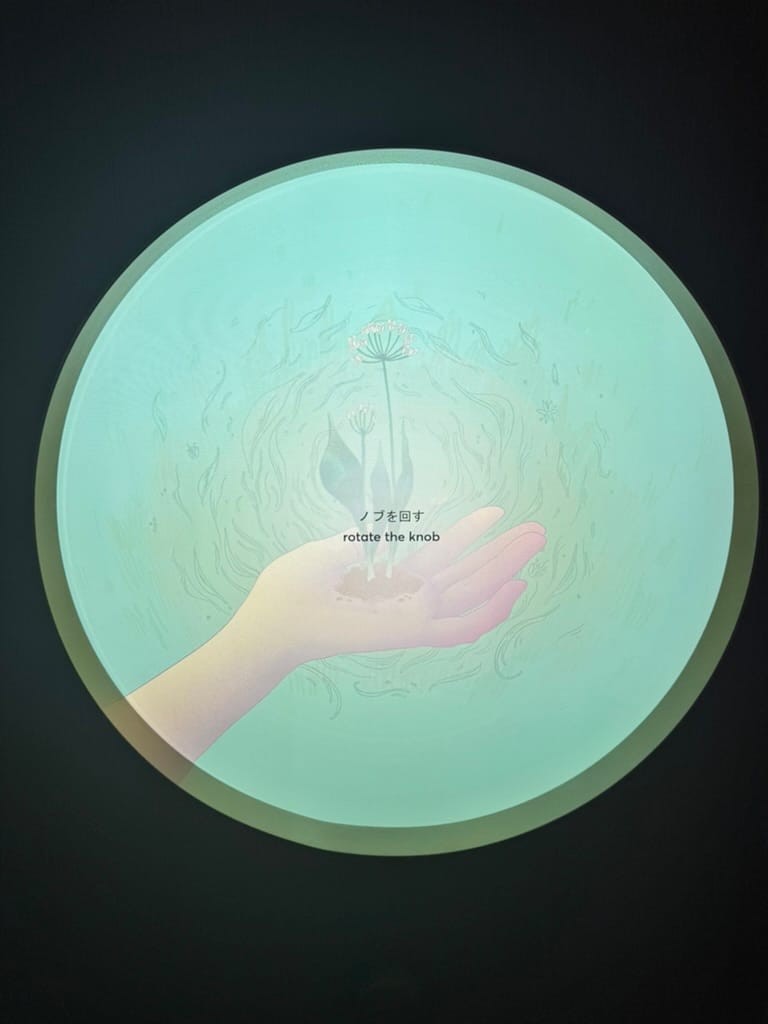

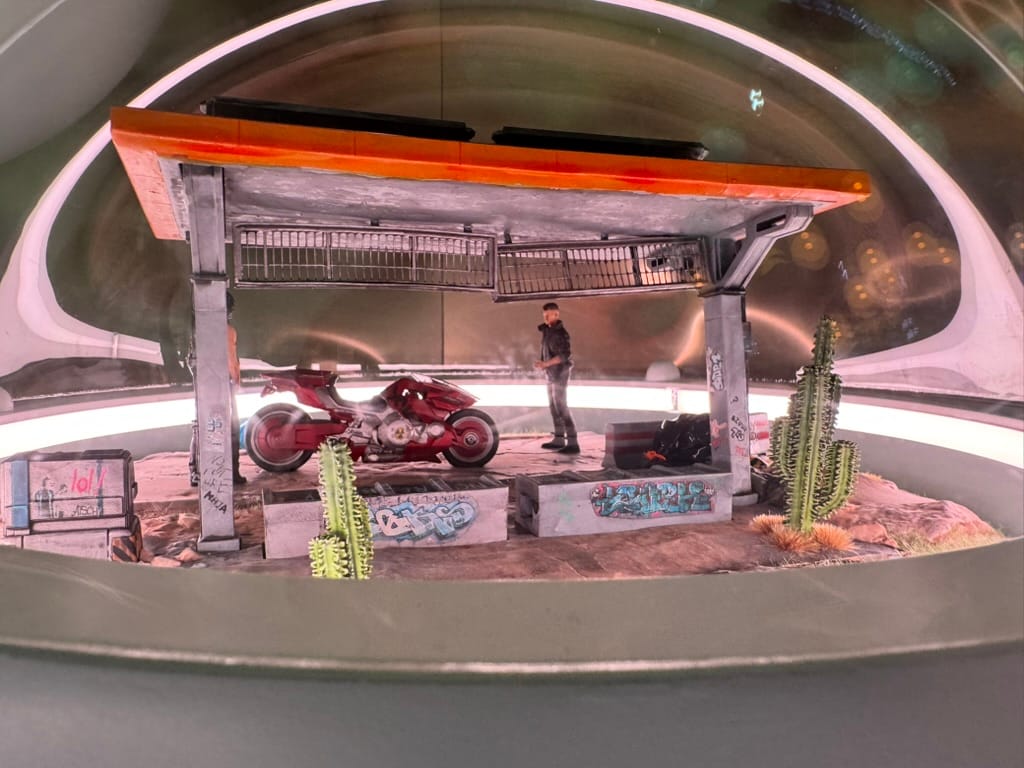
At the end of the pavilion was a small exhibition of Polish game developers that included:
- Cyberpunk 2077 by CD Projekt Red
- Silent Hill 2 (2024 remake) by Bloober Team
- Shadow Warrior 3 by Flying Wild Hog
It was a nice gesture towards often overlooked entertainment industry in Poland.
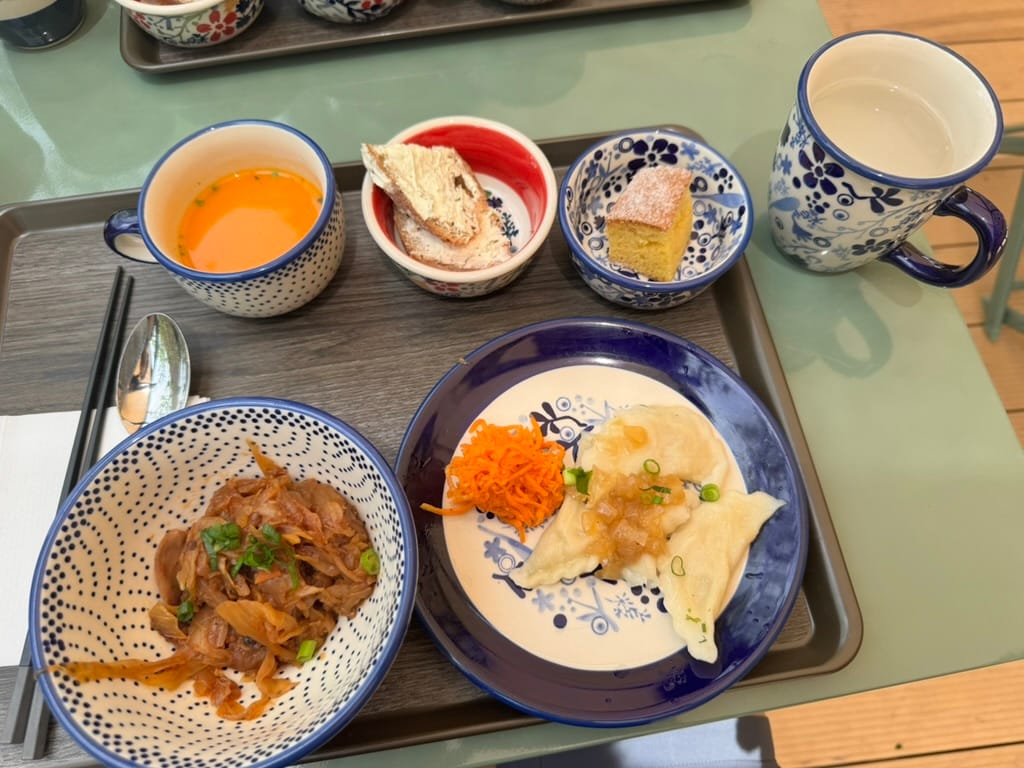
Lastly, it was time for lunch and, oh boy, the Polish chefs delivered original tastes! Bigos, the cooked, pickled cabbage was perfectly sour. Pierogi, famous Polish dumplings, were freshly handmade, and pumpkin soup warmed my belly. There was even carrot cake and kompot, the wild berry cooked juice that only grandmas are still making.
They even presented Polish opera at the pavilion
It's funny that we needed to fly all the way from Kuala Lumpur to Osaka to try some real Polish cuisine. But my partner and I were honored for this dining experience.
Philippines
One of our friends was born in the Philippines, so we decided to check the dedicated pavilion. By that point, we realized that each country was really tapping into their cultural characteristics. France was flashy and artistic. Poland wanted guests to feel like they were in a cozy wooden hut with comforting food. And now Filipinos welcomed us with ocean breeze and dancing.
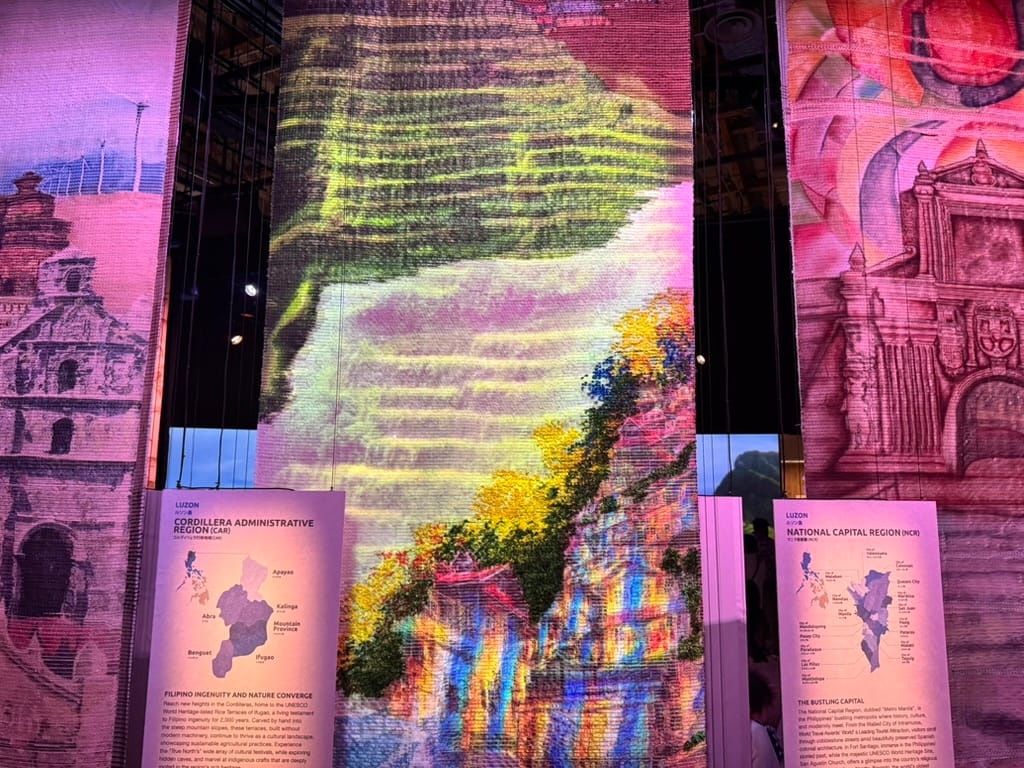
As an archipelago of islands they started with a light show and short narration that felt like Moana. Then in the next room the whole wall was a screen that acted like a magical mirror. People were dancing to cheerful tunes and our full-scale avatars were generated real time on the wall. The avatars looked like blooming trees with colorful petals flying around.
Filipinos are known for their fabulous singing skills. So their pavilion successfully evoked musicality. Combined with lush ocean Polynesian vibes, it did create fun experience.
South Korea
Next was techy South Korea. While France stunned us with special effects and artistic mastery, South Korea was on a way higher level of technical fidelity and interactivity.
The foyer had booths where we were instructed to record short voice answers to questions like: what's most important in your life? We shouted "love", "friends", "sex" and some other words at once. The cacophony mixed with our laughs was most likely inaudible. But already fun for us.
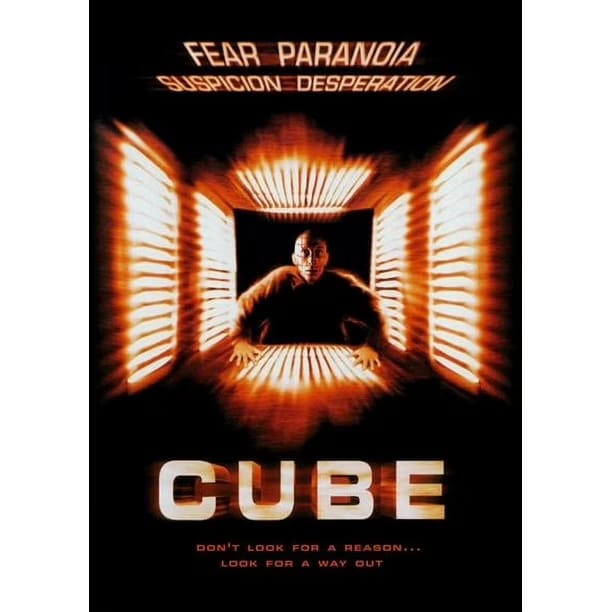
The next room was a giant empty cube. With dozens of visitors we were anticipating the show. Vertical lights on the walls reminded me the sci-fi horror from 1997. The Cube was a high-tech trap, with everyday people trying to solve deadly puzzles to escape it. Considering the popularity of Korean show Squid Game, we were making jokes that a few minutes we may need to run for our lives.
Then the show started. It wasn't just strings of LEDs sequentially illuminated like in the case of teamLab or France pavilion. Koreans set up a giant rig of spotlights, lasers, and fog machines. We were all inside that rig, which meant that lights were beaming from all walls. Creating a unique web of lights, flashing, tilting, and changing colors to the beat of electronic music.
Furthermore, we heard our voices from the speakers. The short words we recorded earlier were dynamically mixed with the music!
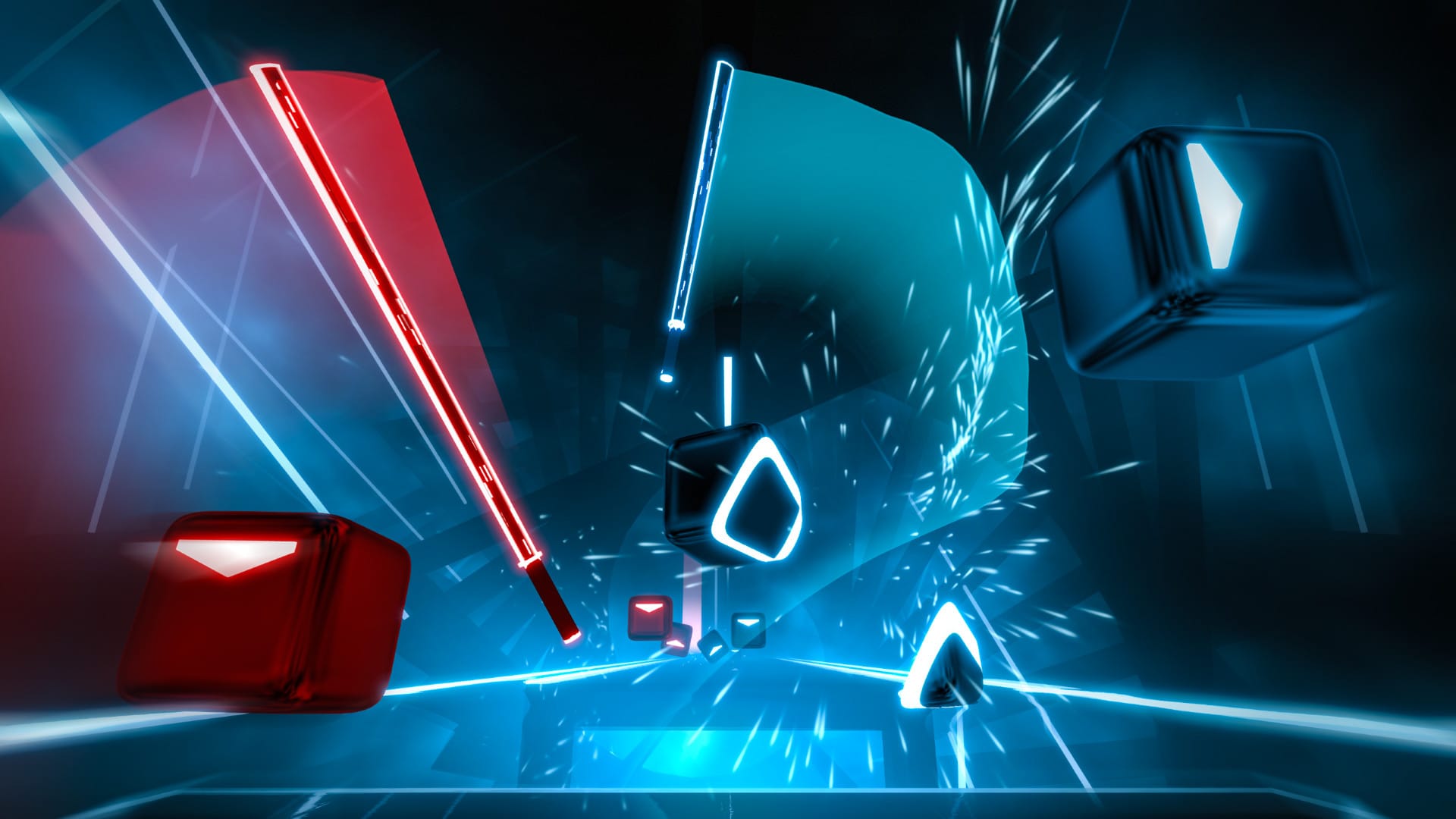
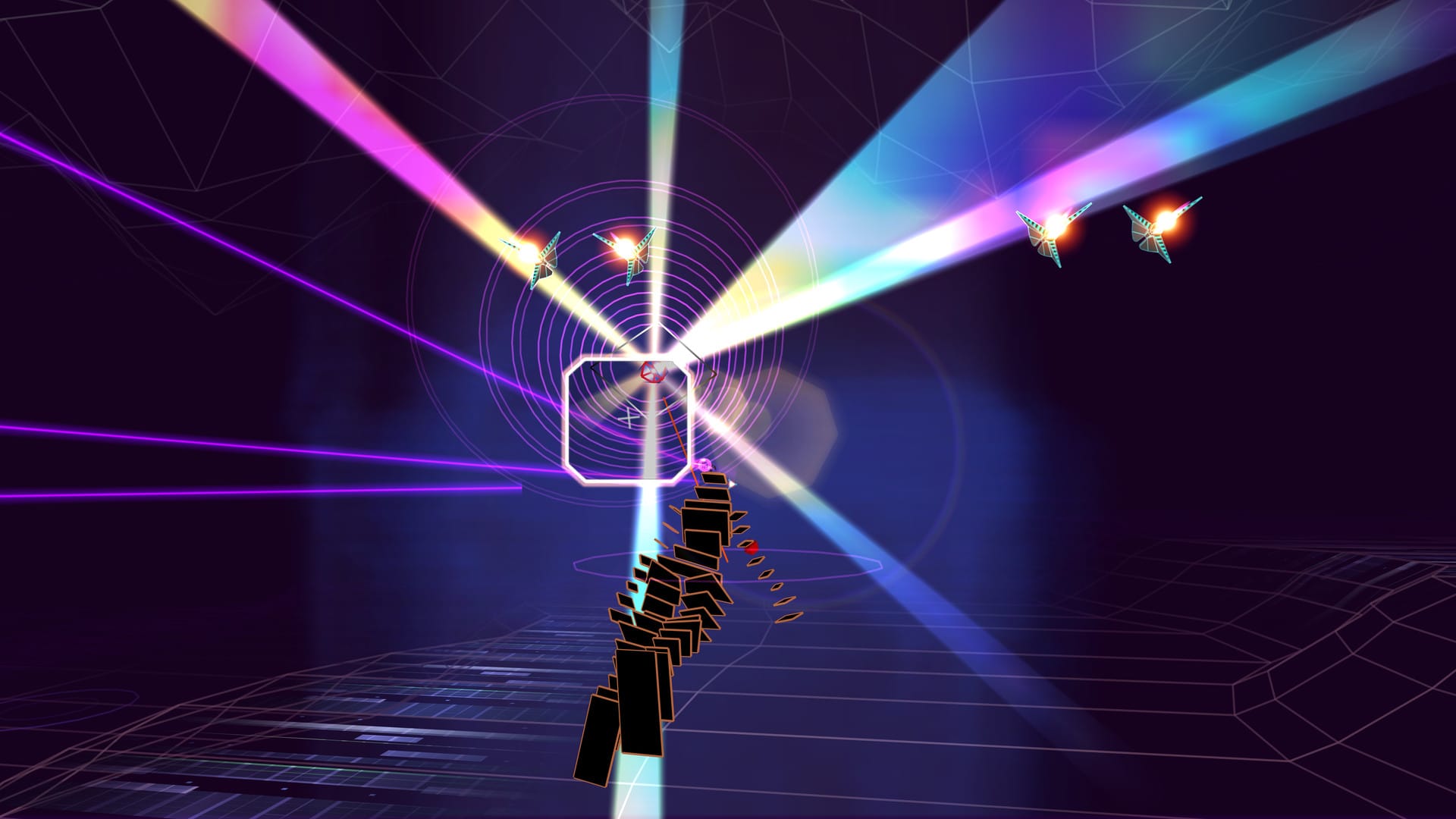
Beat Saber and Rez Infinite | ©️ Beat Games and Rez Infinite respectively
I could only compare it to virtual reality games like Beat Saber or Rez. Yet, there's something more powerful when this abstract floating light experience is shared. My partner and friends were all there with me, being in awe. Without headsets, goggles, or other gadgets. Just us and the intricate and sophisticated Korean machinery. That's hidden in the shadows. Creating a unique magical encounter.
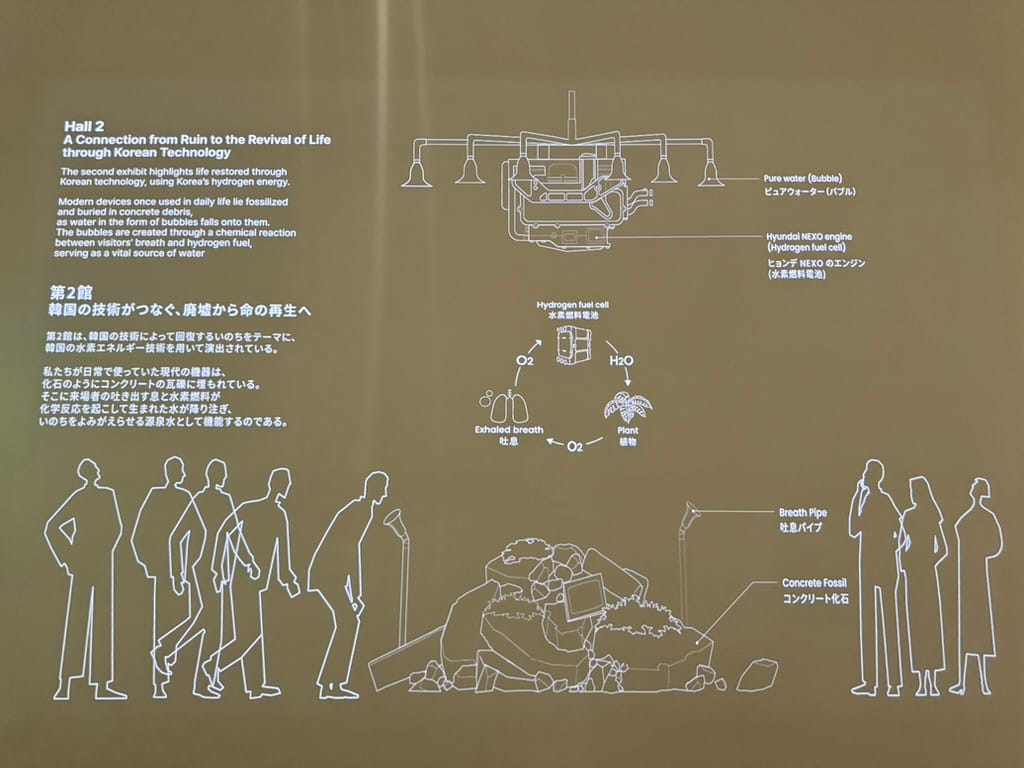
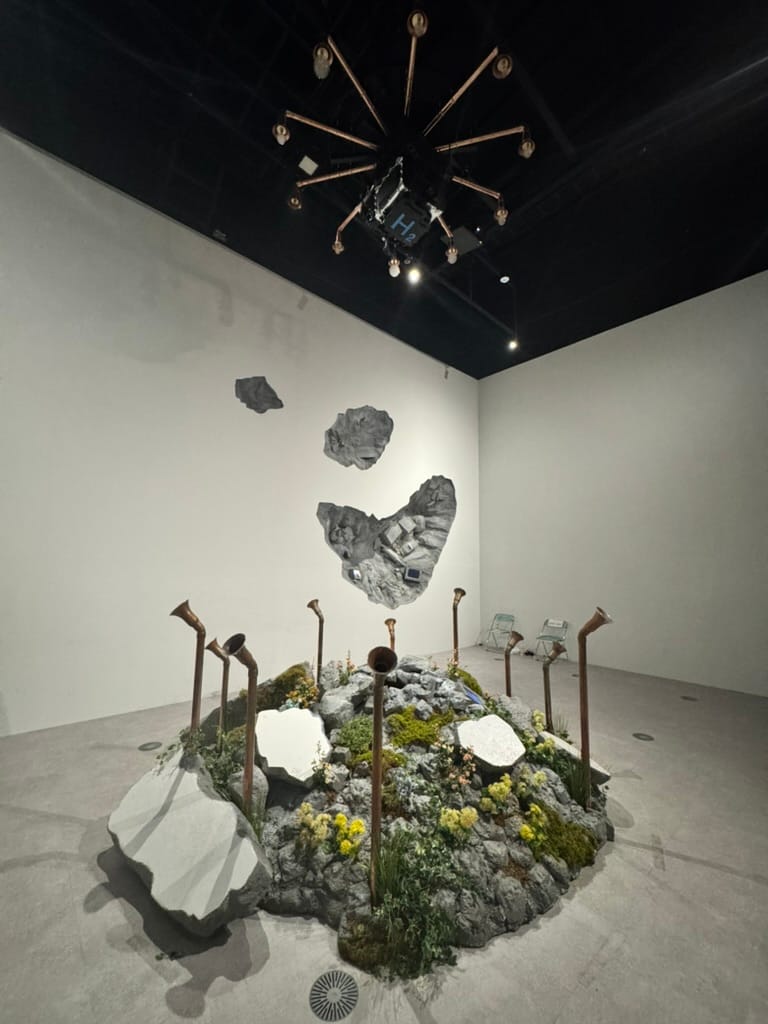
That wasn't the end of surprises. The next room had a clever art installation with hydrogen fuel cells. Breathing into retro-style pipes created a reaction that turned our CO2 into water bubbles. Yes, another magic trick that made everyone say “Awww” as the bobbles were floating from the ceiling down to the plants.
The last room was a cinema with three walls turned into one continuous screen. We sat on the floor and turned our heads left and right to follow a short story about K-pop stars. Obviously, the Korean pavilion had to incorporate this global phenomenon.
After all of this excitement we rested in the built-in Korean restaurant munching delicious kimchi pancakes.

Portugal
That was the last pavilion we managed to visit. And after the highs of France and South Korea, it was a bit of a let down. Especially considering their message. Portugal focused on the Atlantic Ocean. As a maritime country with long coastline and islands, they do know a thing or two about it. Yet, the delivery sounded passive-aggressive.
The design of the space was pleasant. With walls in shapes of waves, and gentle blue palette displaying ocean landscapes above and below the water. But why did they think it's a good idea to scare people?
Short sentences were displayed in Japanese and English, like “I will flood your home if you dump garbage on me.” I'm all for protecting natural environment and educating the public. However, I don't agree that fear is the right method. It's a pity that Portugal decided for such a pavilion.
Around the World in Eighty Days
We would need a lot of time to really see the whole World Expo. Six aforementioned pavilions were still plenty, considering very long queues. Expo was like Universal Studios Theme Park, where masses of people walk from one attraction to another. They expect to be amazed, taste original dishes, and feel like they've seen the world.
 Piotrek Bodera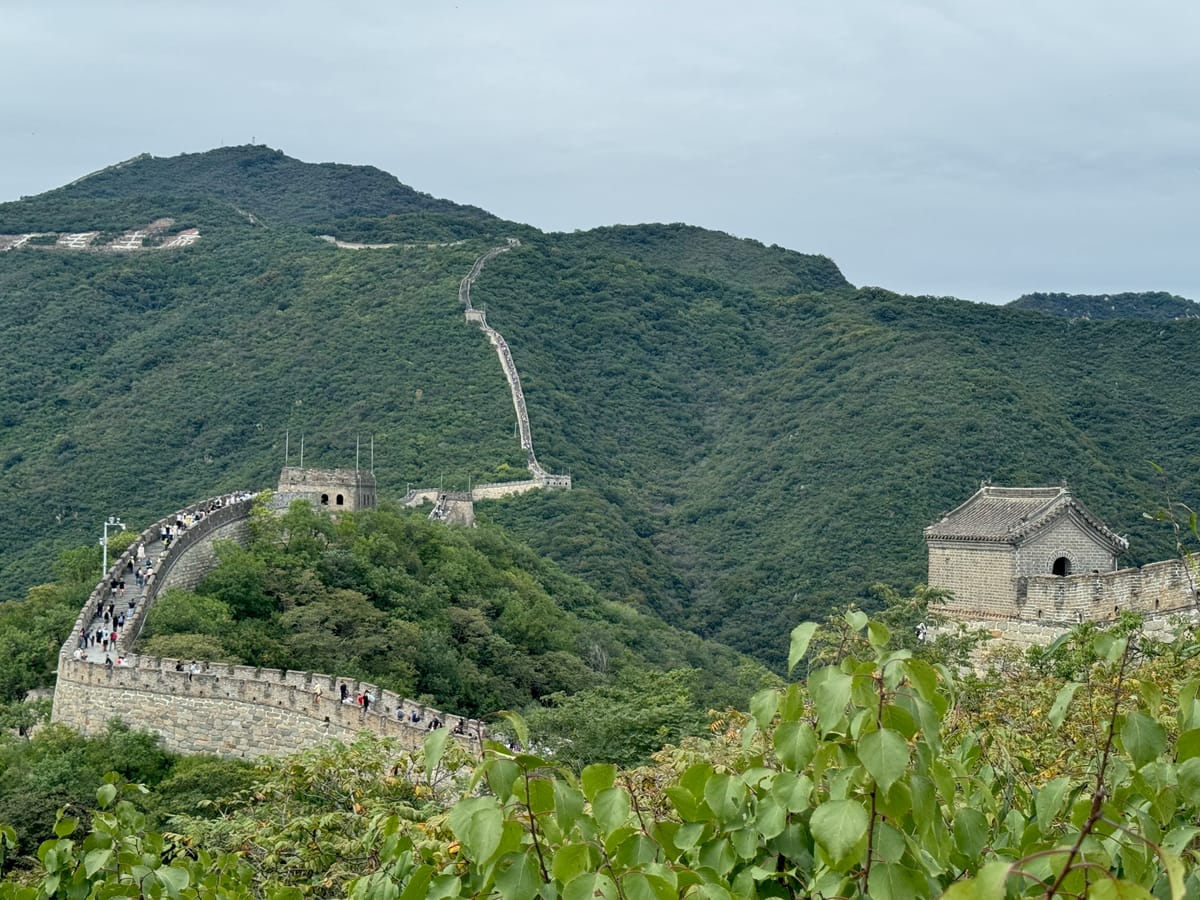
If your goal would be to actually see every inch of the Expo, then it's possible you'd need up to 80 days to do it. However, if you were like us, just popping in to have some fun with friends, then a day was enough.
Pavilions by countries or companies?
At the entrance of some pavilions major sponsors were prominently displayed. South Korea was obviously backed by Samsung, among other Korean tech giants. France was sponsored by the LVMH group. Yet, there's a difference in being a sponsor and prominently promoting a particular brand.
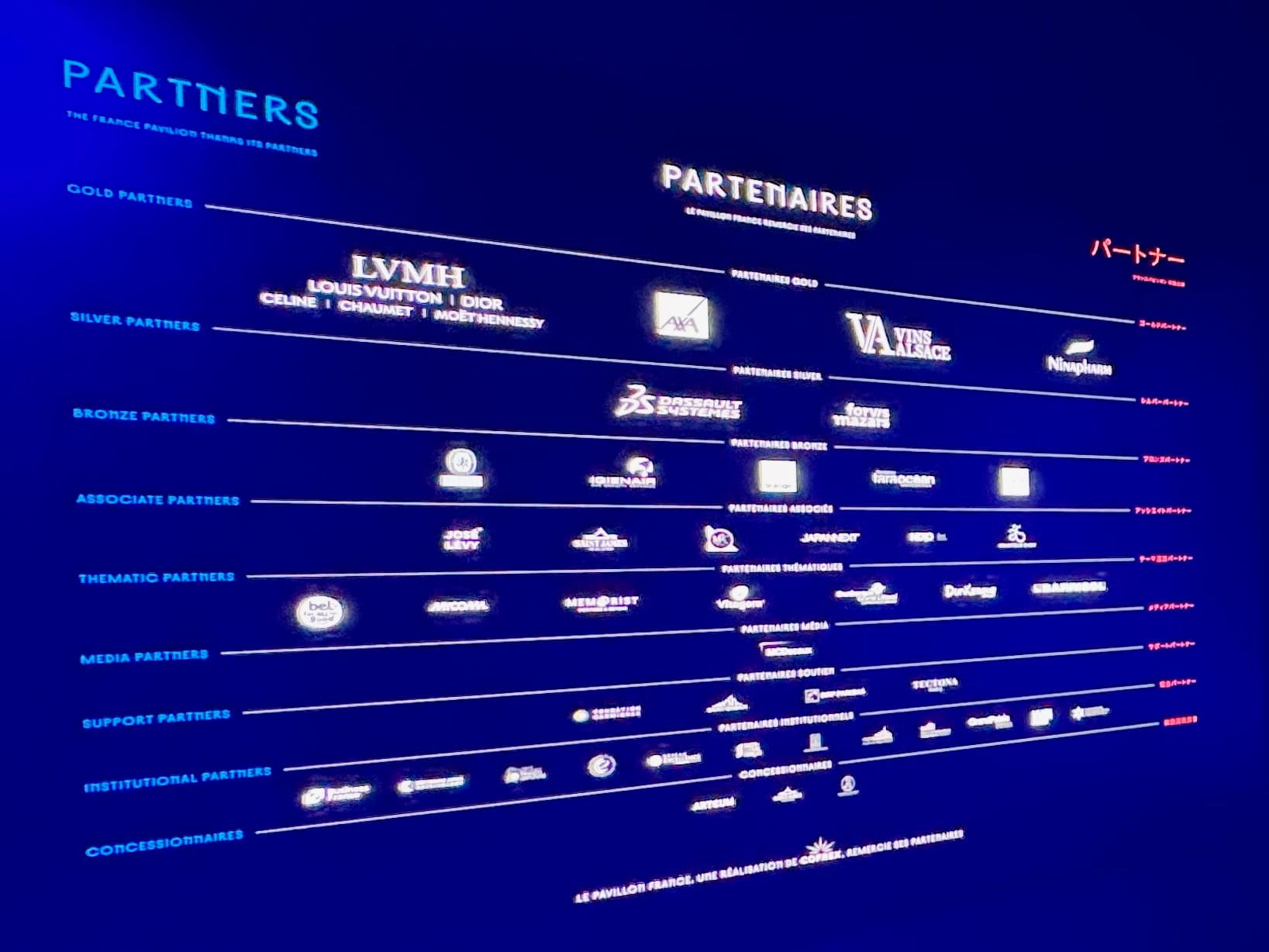
The most visible example was Louis Vuitton. There was the fashion workshop, then the sci-fi sphere, and another room with white dresses. I acknowledge that designing outfits is integral to French culture. But it felt like France was just this one brand.
If that's the case, then the Nation Branding concept mentioned earlier is blurred with Company Branding. Which means that us the people are more like users. Users of iPhone or users in a social media company.
Indeed, it's a fascinating topic described in detail in the Network State book. Nation Branding means that countries compete to be more attractive. But at the age of the Internet, it also means that any cohesive network of people can attract them as well. And eventually built a recognized state.
Branding Olympics
Much like the Olympic Games, the World Expo is creating even playing field. Each participant represented by their national flag is trying to dazzle the public. And it's working.
We skipped the visit to the USA pavilion as they appeared to have the longest queue. Our group of friends who are all Asians, and I, a Pole, had no interest in a country that already dominates global culture. Yet, hundreds of people who waited hours just to get inside thought it's worth it.
On the other hand, we walked into United Arab Emirates, as there was nobody waiting in line. But the exhibition was so not captivating that we don't even remember what was it about.
World Expo is a competition for attention. Known competitors like USA or France organically attract masses. Others like the Philippines, need to be more creative. But ultimately, it's all about the memories that they manage to instill in their visitors.
Age of experiences
The expo could have been like an old-style museum exhibition with “do not touch” warnings bigger than the exhibits' labels. Instead, we had exploratory types of gadgets, mind-bending rooms, dancing lights, and multi sensory stimulation.
I'm thrilled that we live in the age of experiences. In 2000s and 2010s video game consoles like Nintendo Wii and then Xbox Kinect popularized motion controllers. Now this technology is everywhere. That's why France had hand animations, the Philippines full-body motion detection dancing, and South Korea the mesmerizing cube illumination.
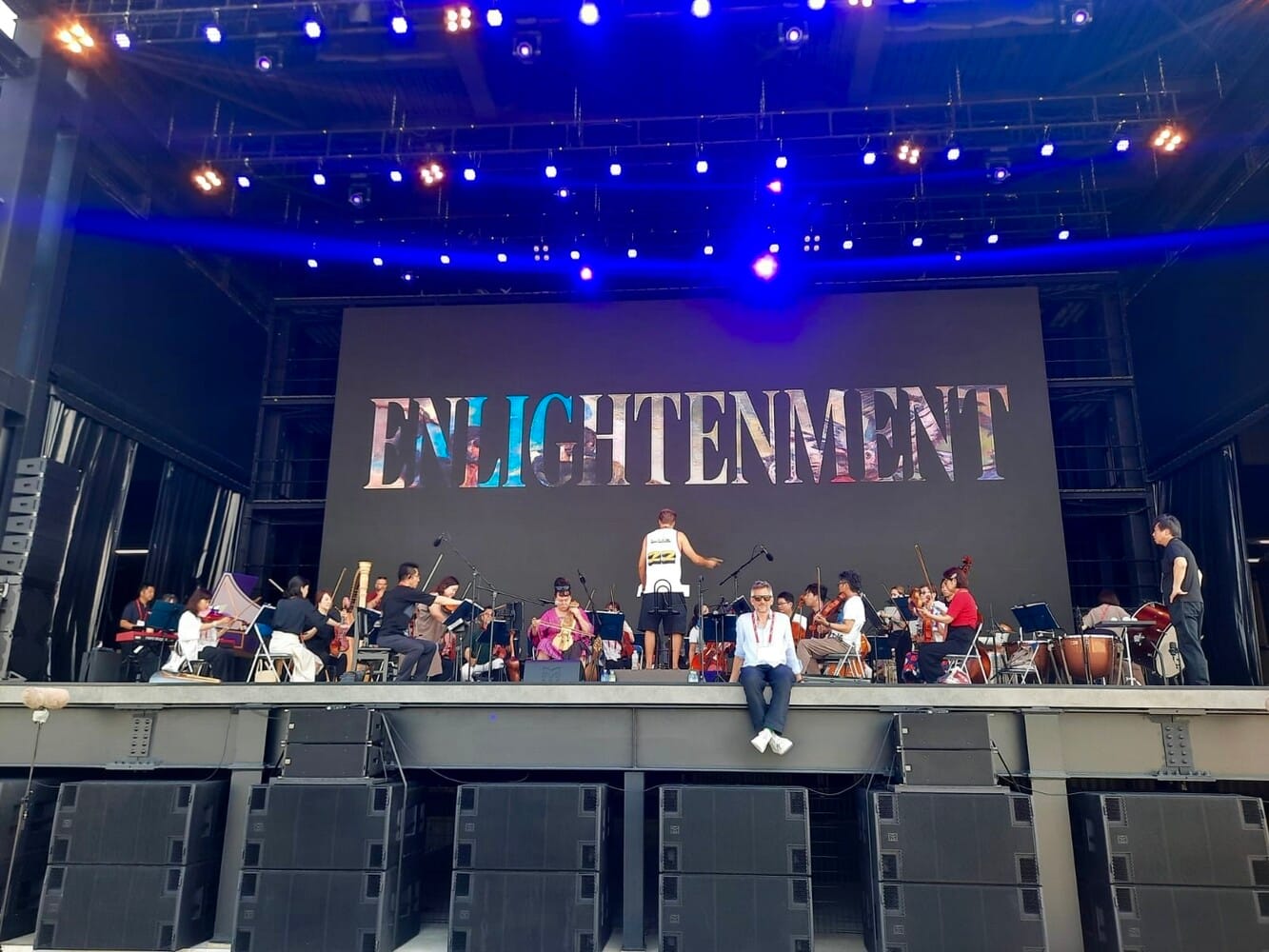
A live concert is another kind of experience. And there were plenty of them during the World Expo. One of them was organized by my friend Paweł Rozkrut. He collaborated with renowned Polish composer/rapper L.U.C. to produce a European suite representing historical periods. It's fabulous to see my friends creating such unique experiences in Japan, my favorite travel destination.
After the expo
Twenty-two years before the famous Eiffel Tower was erected, Jules Verne visited the World Expo (Exposition Universelle) in Paris. This is where he saw the model of a submarine, which inspired him to write his classic Twenty Thousand Leagues Under the Seas. Just 150 years later his idea became an accessible tourist activity, which I was excited to experience in Tenerife.
 Piotrek Bodera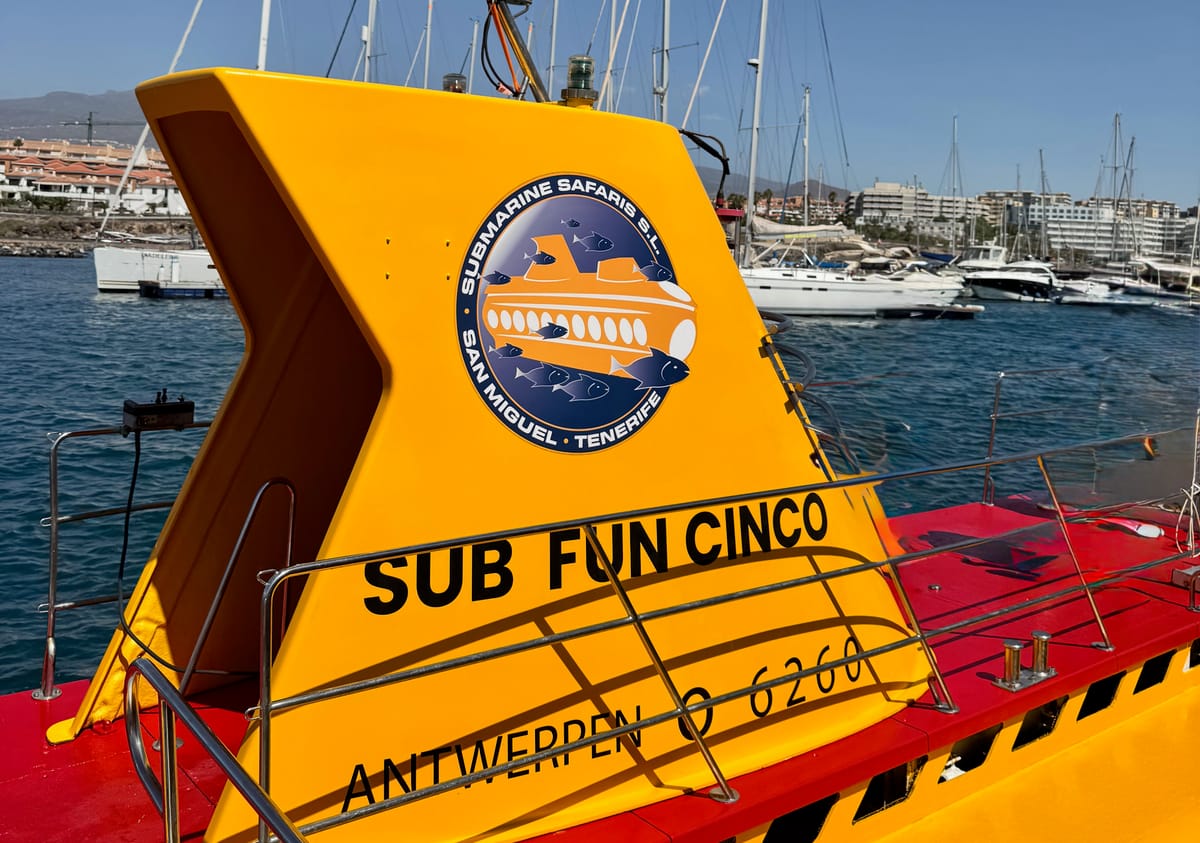
I'm not sure if there was something as unique as a submarine in the World Expo in Osaka 2025. What I am sure about is that it was worth the visit. Culture fascinates me, and seeing country pavilions flex their unique characteristics to attract us was a rare experience.
Especially since it was a temporary event. As I publish this post, the World Expo has concluded. Most of the pavilions are dismantled, and building materials are said to be repurposed. The same applies to the magnificent Grand Ring. But Japanese are considering preserving part of it. As for the land, Osaka plans to build there first official casino which is a seismic shift in the country where the metal balls pachinko still rule.
Only time will tell what comes after.


Discussion