


We are visual creatures. 30-50% of our brain processing is visual. That’s because we evolved in a three-dimensional environment. Not surprisingly 48-92% of the global population watch videos. Regardless of the screen size and its orientation, we are all drawn to moving pictures.
They are an influential factor for digital nomads as well. Under the Tuscan Sun showed me the Italian "dolce vita" lifestyle. Lost in Translation inspired me to explore neon-lit Japan. And all the James Bond films pushed me to experience exotic destinations in person.
Today, travel vlogs on YouTube and perfected shots on Instagram drive us. The influence is so strong that many tourist attractions create dedicated Instagrammable spots.
Pasta and Panda is my favourite travel channel run by friends: Davide and J
Yet, when AI becomes more capable and cheaper every day, many people fear it'll change movies forever. Including the videos that inspire us to travel. Here's why I think the AI video apocalypse won't happen.
Film production breakthroughs in the past
Anytime a tremendous change happens, it's crucial to understand the history. Movie-making has always been intertwined with technology. Here are some pivotal moments:
- First captured sequence of images: end of the 19th century.
- Hand drawn animation films: early 1900s.
- Most films include sound: 1930s.
- Color films became standard: 1950-1960s
- First fully computer generated films: 1990s.
- Films shot digitally: 2010s.
Equally important were film distribution and devices. From cinemas to TV, cable, satellite, VHS, DVD, Blu-ray, and streaming. All of them changed the way we watch movies.
Crucially, each technological breakthrough allowed more movies to be made. Yet most of them were bad.
AI slop is nothing new
Films created by artificial intelligence are the new major development. And from 2023 to 2025, we went from poor representation to believable impersonation. With Will Smith Eating Spaghetti as a popular informal benchmark.
Will Smith Eating Spaghetti AI video in 2023
Will Smith Eating Spaghetti Al video in 2025
But when anyone can create scenes just by typing a prompt, then we experience a flood of AI videos. Most of them are inferior quality, hence we call them slop.
 Contributors to Wikimedia projects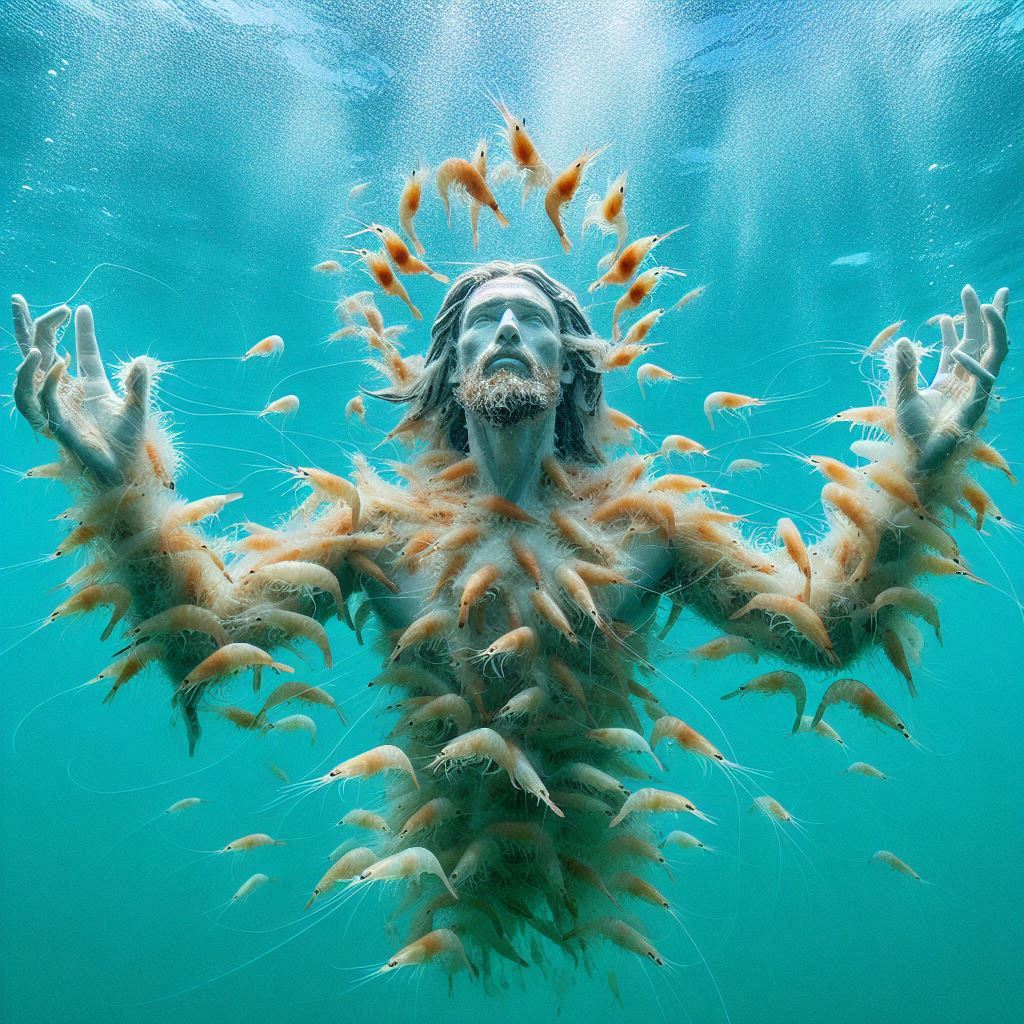
However, is this different from the Internet before AI? Or books, TV shows, Netflix, TikTok, or YouTube videos in general?
Nearly every piece of content across platforms and formats lacks quality. Only the 1% can be called masterpieces. They are renowned by critics. And remembered for decades. Everything else is forgettable.
Is this an AI cake?
Authenticity is a vital factor in this AI shift. However, the inability to distinguish reality from fiction has been known since at least 1605. Publication of Don Quixote occurred then.
We crave both things simultaneously. Experience reality; enjoy fiction. The phenomenon of Is It Cake? captures this perfectly. Most desire sweet desserts. So if a fun object like a rubber duck could be a cake, that tricks our brains.
Is It Cake parody by Aunty Donna
Conversely, any deception can manipulate people. I wrote more about it in Build Better Systems. However, the same tools can empower us: the reverse centaur case.
 Piotrek Bodera
What's machinima?
I believe that AI video generation tools augment creators. And it's like what has happened in video games since the 1980s. The portmanteau of machine and cinema is called machinima. And it's a way of making movies using video games.
They started in the demoscene, and over decades became part of pop culture. Famous examples are:
- World of Warcraft The Internet is for porn (song by Avenue Q)
- Red vs. Blue series with 20 seasons based on Halo
- Terminator Salvation: The Machinima Series
Video games offer us unlimited possibilities to create fantastical worlds. And gamers used them to create narratives. That's why I see machinimas as the next step in filmmaking.
The game engine literally sets the scene by generating a 3D environment. Then a human player plays each character. And the machinima director is in control of virtual cameras and the set.
Filmmakers are already using Unreal Engine, the popular game engine. The Mandalorian, Westworld, and Dune are some of the recent examples. So, the film director works like a machinima director.
Computer graphics and live action have blurred the lines between them for a long time. Now, studios are transitioning from green screens to virtual sets. And if computer graphics already generate the effects, stage, props, monsters, then why not everything else?
What comes next?
To be clear, I don’t want to watch full-feature AI slop. Having a possibility to generate scripts, scenes, and characters, doesn't mean that we should remove the human touch.
I envision AI will help generate entire seasons of a show released on YouTube. It's possible that the next Breaking Bad quality series will be created by one person with AI tools. But it won't change the paradigm. 99% of it will be useless. 1% will be worthwhile. A relatable story will be the key. As it always has been.
Moreover, AI tools can address development hell. Many book writers, screenwriters, and creators at large would love to see their work turned into proper films. Streaming was the most recent democratisation of distribution. Now the AI tools will unlock the next step in filmmaking democratisation.
Some travel video applications already come to my mind:
- Generating a drone-like footage of tourist attractions where drones are prohibited.
- Showcasing the architectural beauty of landmarks, but generated without the crowds.
- Visualising endemic species, seasonal changes, historical periods, etc. The unique aspects of a destination without degrading nature or culture.
Over to you
Do you feel AI will have a positive impact on the film industry? Or are you fed up with the AI generated content? Maybe you embrace it and create your own?
Reply and tell me what you think. I strive to respond to every comment, and I'd love hearing from you.
See you next Tuesday, where I'll write what AI can't do.
 Piotrek Bodera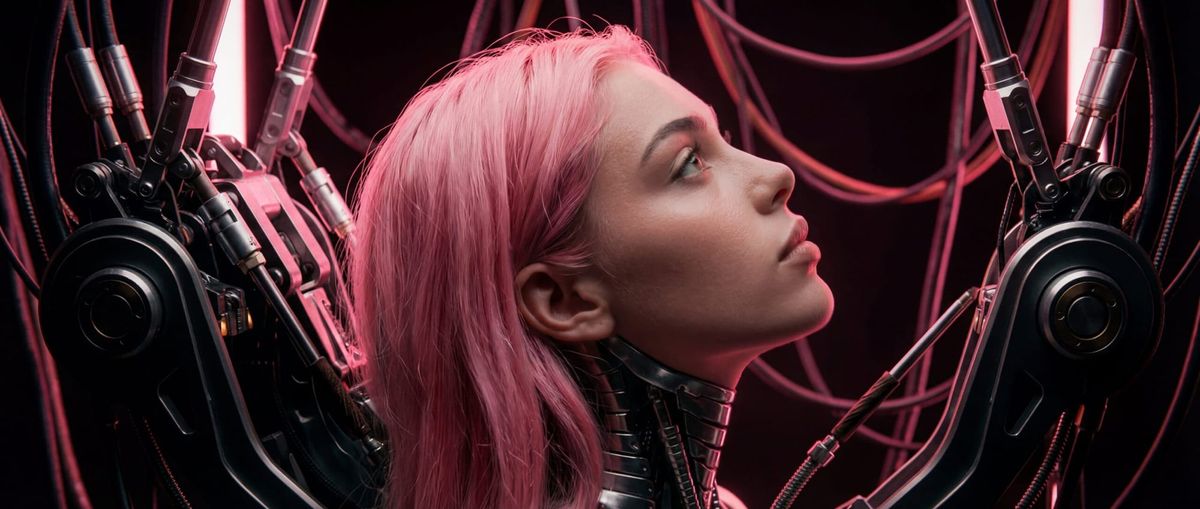


Discussion