


Last week, I made the case that AI can improve filmmaking. Like past inventions, it'll democratize the process. However, it shouldn't replace humans. And in this article, I'm showcasing what AI videos are achieving and how we limit them.
When AI creation gets a following
The technology to create lifelike videos is already here. And it'll only get better. So it's unsurprising that an AI Influencer category emerged.
Before the current AI boom, we already had virtual influencers like the Japanese Hatsune Miku, created in 2007, or American Lil Miquela in 2016. Yet, their designs weren’t realistic. They looked like animated characters.
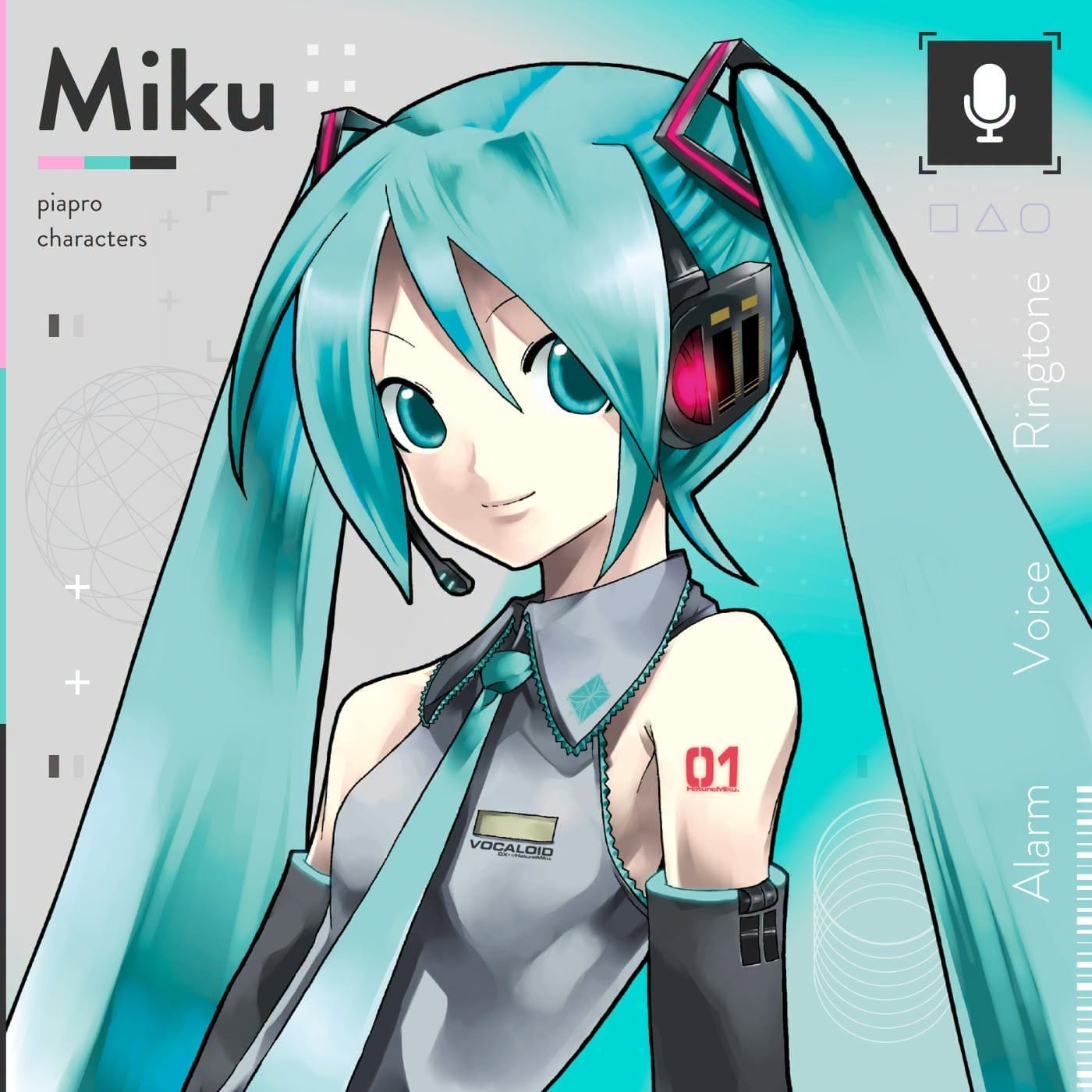
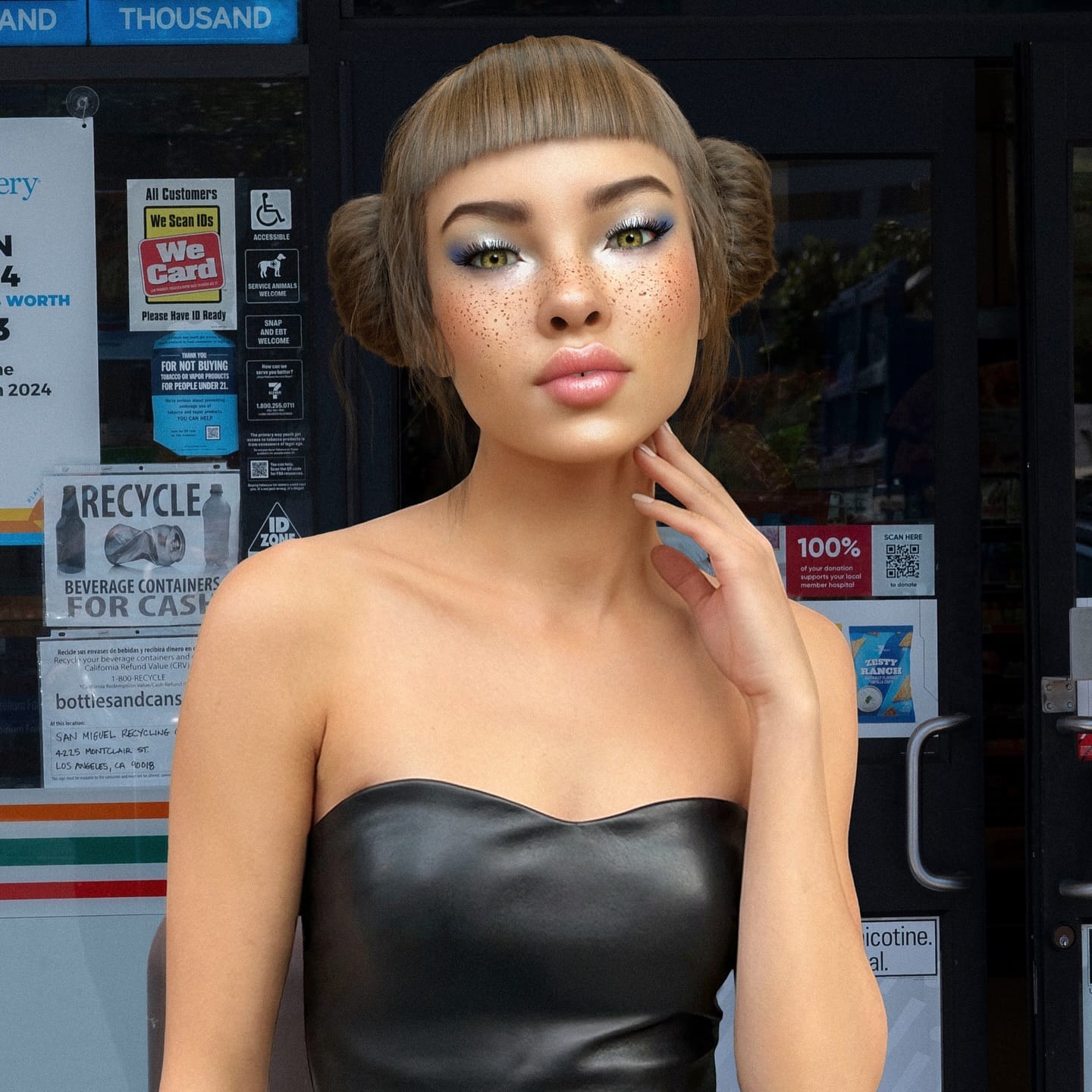
Hatsune Miku ©️ Crypton Future Media and Lil Miquela ©️ Trevor McFedries & Sara DeCou
Aitana López from the Spanish agency, The Clueless is the AI Influencer that looks like a real person. And thanks to deliberate design choices, she’s growing her following. Here lie the key elements crafting her relatability:
- The name sounds like a real person. Both Aitana and López are common Spanish names.
- AI in Aitana is a clever play on words.
- Her bio includes human traits like age, astrological sign, hobbies, and being based in Barcelona.
- The pink hair is a unique characteristic, yet they look like dyed hair rather than a wig.
- Her voice has a thick Spanish accent.
- All videos and pictures depict Aitana in real-world settings rather than impossible AI generated scenes. Unlike another Japanese AI Influencer Imma.gram.
- YouTube videos present her as a gamer, while the Instagram account shows her as a fitness model.
- Each content reuses popular formats: dealing with the Internet, before and after transformations, memes, etc.
When AI becomes your partner
The 2013 movie Her depicted a tragic relationship between a man and his AI girlfriend. Scarlett Johansson voiced her, but never appeared on screen. In 2026, plenty of people believe they have relationships with AI. And their fantasies are easily visualized.
Aitana using the popular before and after format
The creators of Aitana monetize these fantasies. Not only by signing modeling contracts with brands but also by selling AI generated nude photos.
Regardless of viewers' awareness of Aitana's artificial nature, the ideal scenario for the Clueless is:
- A person notices Aitana’s perfected shots on Instagram.
- Finds her funny videos on YouTube.
- Follows her across different platforms, establishing trust.
- One day clicks on her link in the bio.
- Pays a fee to access her exclusive spicy content.
The multiple streams of revenue helps them to build:
- other AI Influencers,
- their own LLM for realistic skin,
- online courses, etc.
I am saddened that a machine consumes and transforms the human desire for belonging, touch, and love into a product.
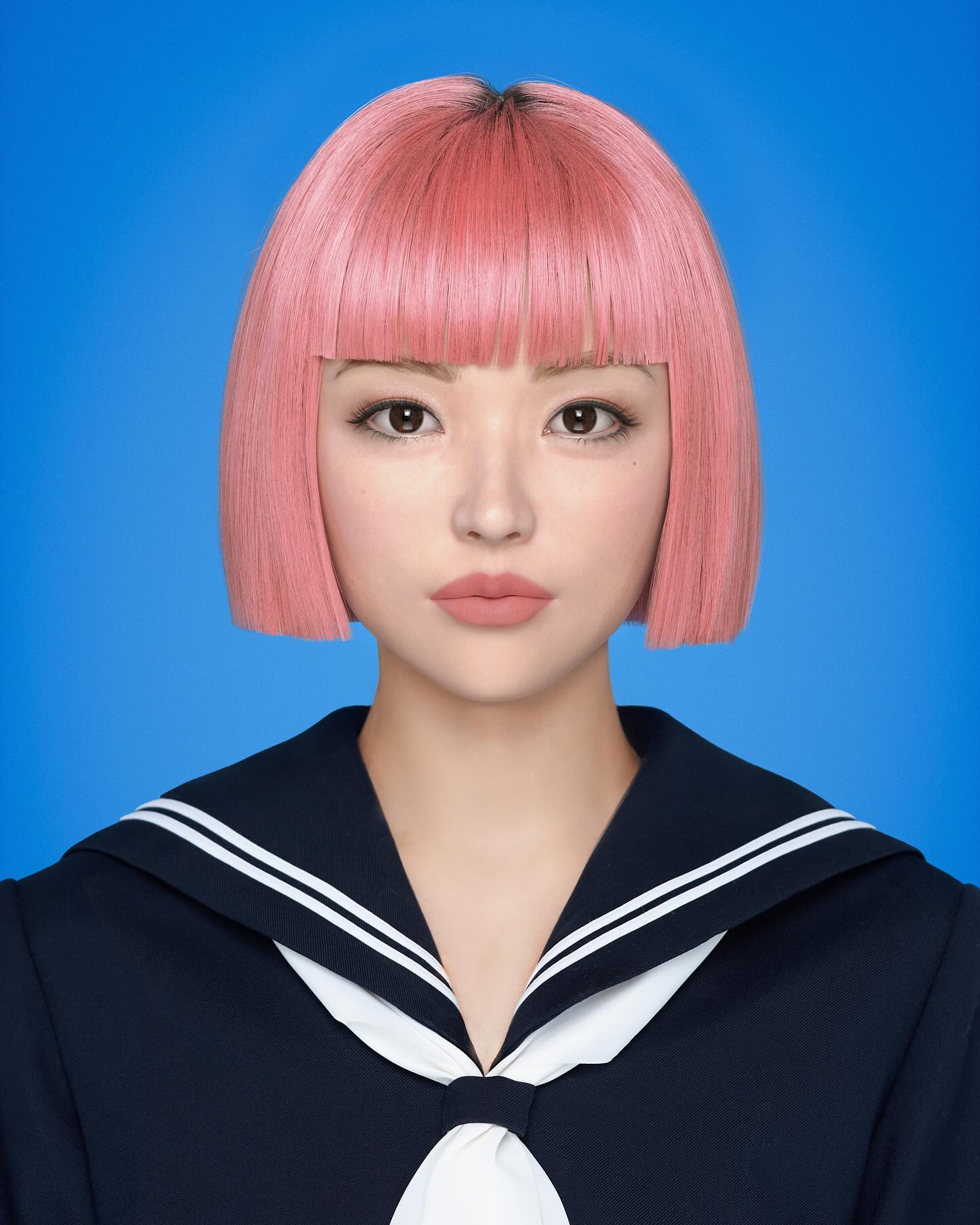
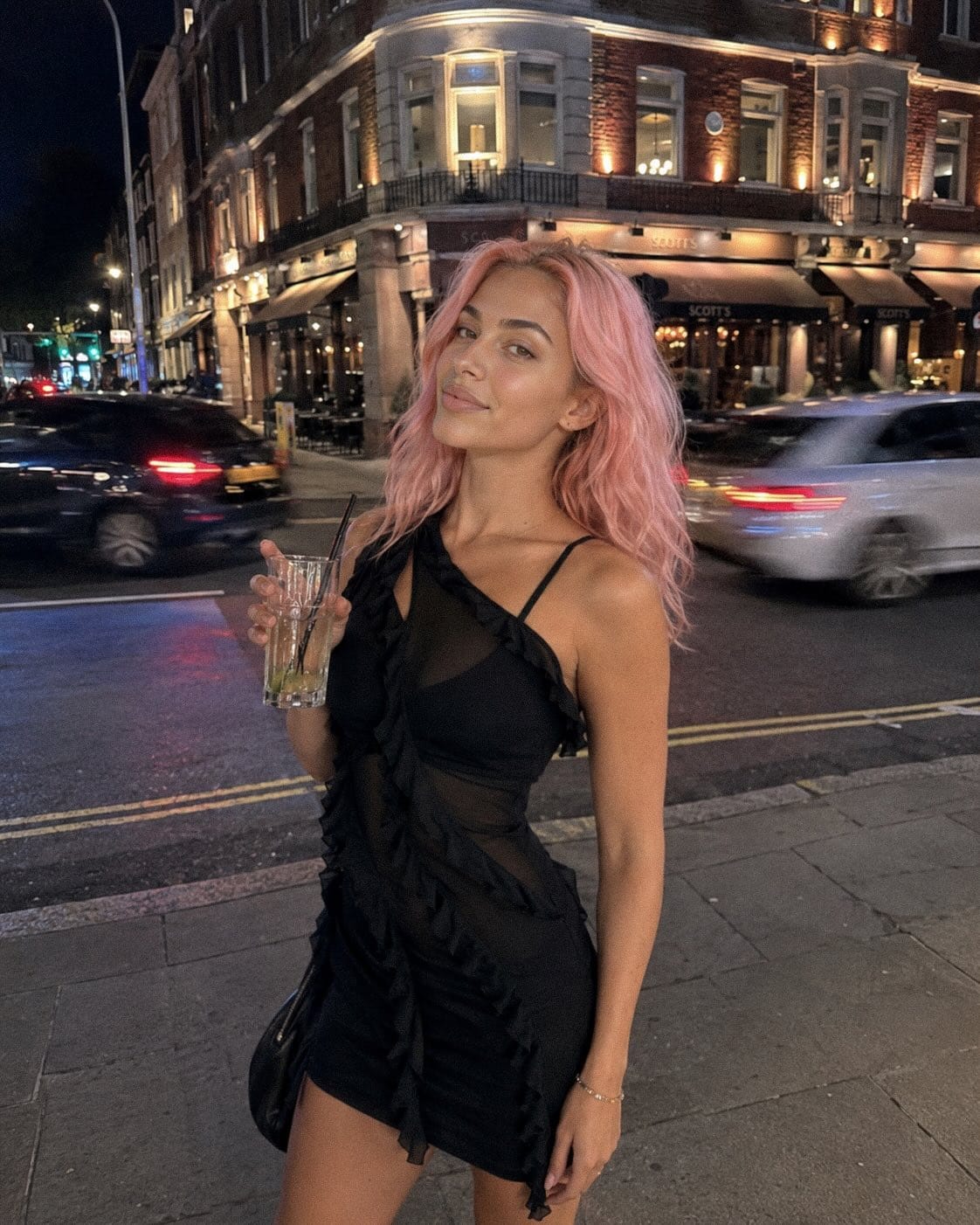
Imma.gram ©️ Aww Inc., and Aitana López ©️ The Clueless
But what’s next? Will she become a character in AI machinima films? Will they sell Aitana licensed sex dolls? Or sex robots? Is the vision of artificial sex workers from 2001 A.I. Artificial Intelligence or 2016 Westworld coming true?
You cannot fake intimacy
While no one can predict the future, we can extrapolate from current trends. The Clueless and other companies will continue creating AI Influencers. And they will create a mass market for individually customized wet dreams.
However, if pornography didn’t stop people from having sex, then AI won’t stop them either. Sure, it may play a role in arousal. But it won’t replace human to human intimacy.
Beyond sexual stimulation lies true intimacy. It's trust, shared experiences, and emotional connections. Finally, it's the human skin oxytocin rush. Impossible to create on a screen.
Aitana's video meme format: you do this I do that
Fictional characters are inconsistent with the real world
The key aspect of any fictional character is that they maximize the desired effect. Superheroes save the world. Homer Simpson is a comedic everyman, perpetually in his late 30s. Rick and Morty die and are reborn repeatedly thanks to sci-fi tricks. They don’t follow real world patterns like aging, advancing in their careers, being sick, etc.

The same goes for AI Influencers. Will Aitana ever age? Will she have children and become a parenting influencer? But won't that distance her from her current audience? And will any real world parent actually care about her?
I don’t think so. Even if Aitana looks lifelike, she'll remain a fictional character. And over time, we'll regard her the same as a female superhero. A lady with model looks, but no real life relevance.
Can AI influence politics?
What if Aitana will promote a Spanish political party? Or run for office? That's an intriguing scenario. And as always, history can give us some clues.
John Bull from 1712 is one of the first fictional characters used as a political tool in the UK. In Poland in 1980s, we had the anti-communist movement called Orange Alternative. Graffiti dwarves became their symbol. These dwarves, now statues, became a tourist attraction in post-communist Poland. The most current example of a fictional character supporting a political movement is the Cockroach Janta Party in India.
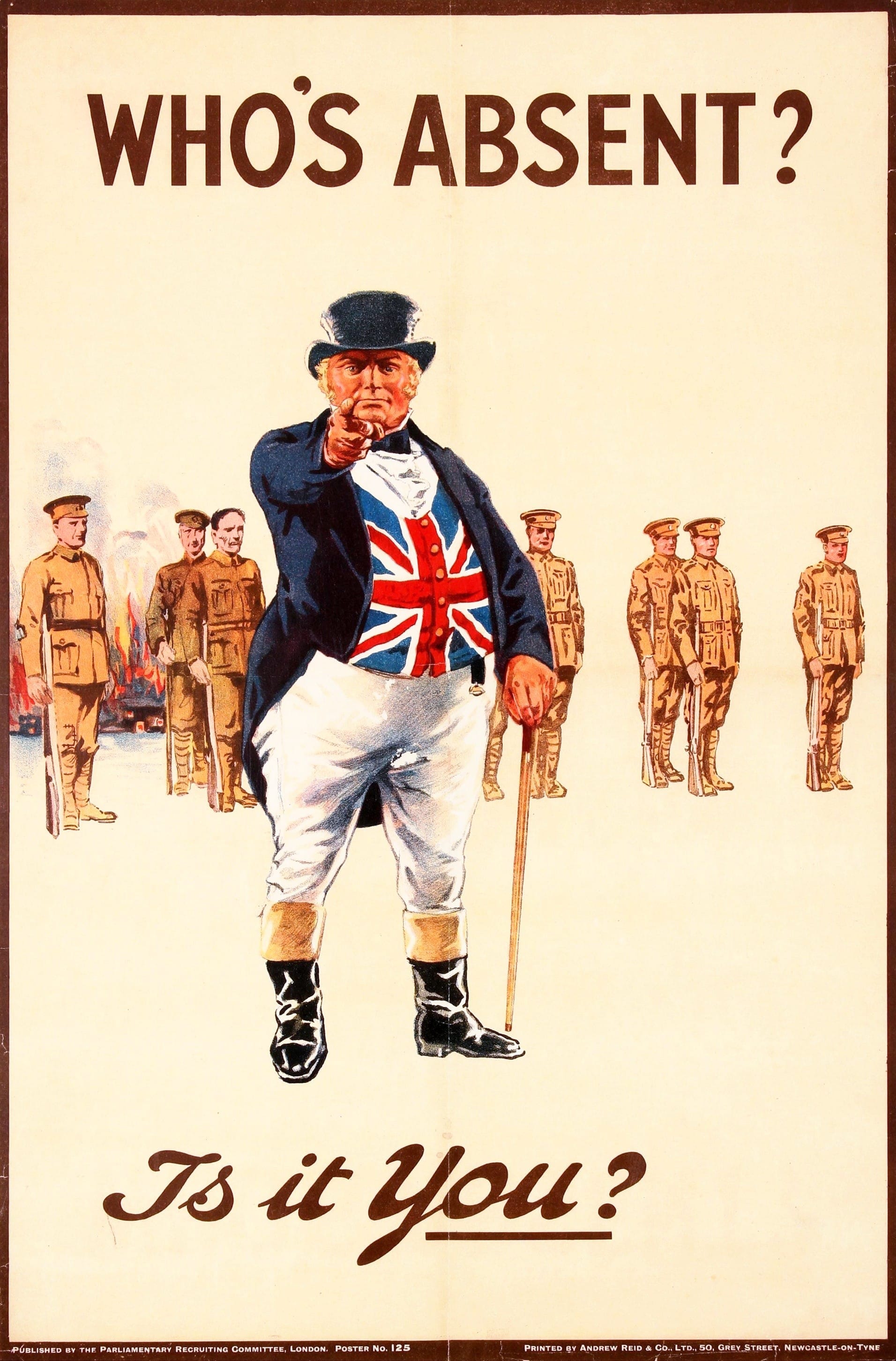
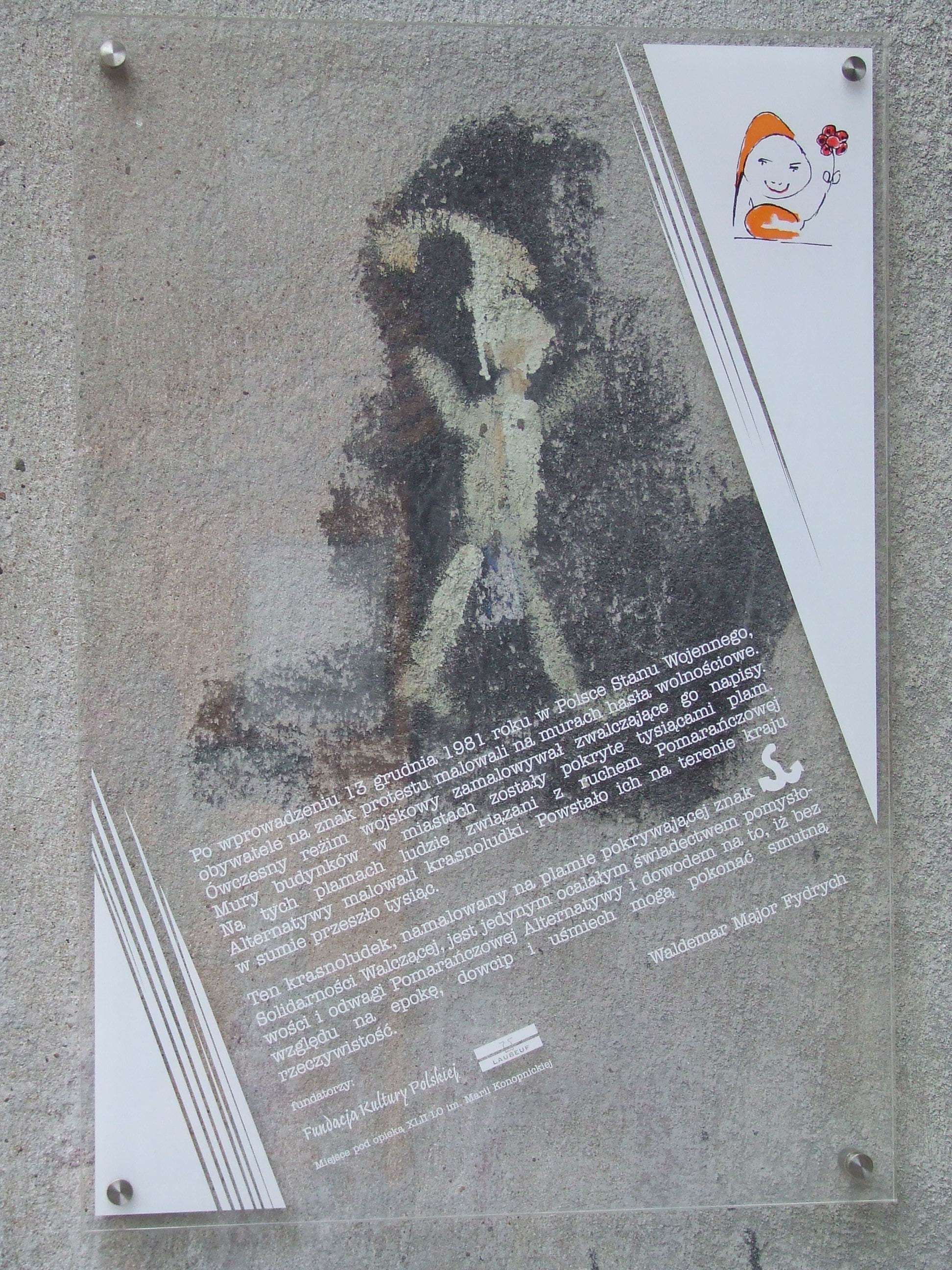
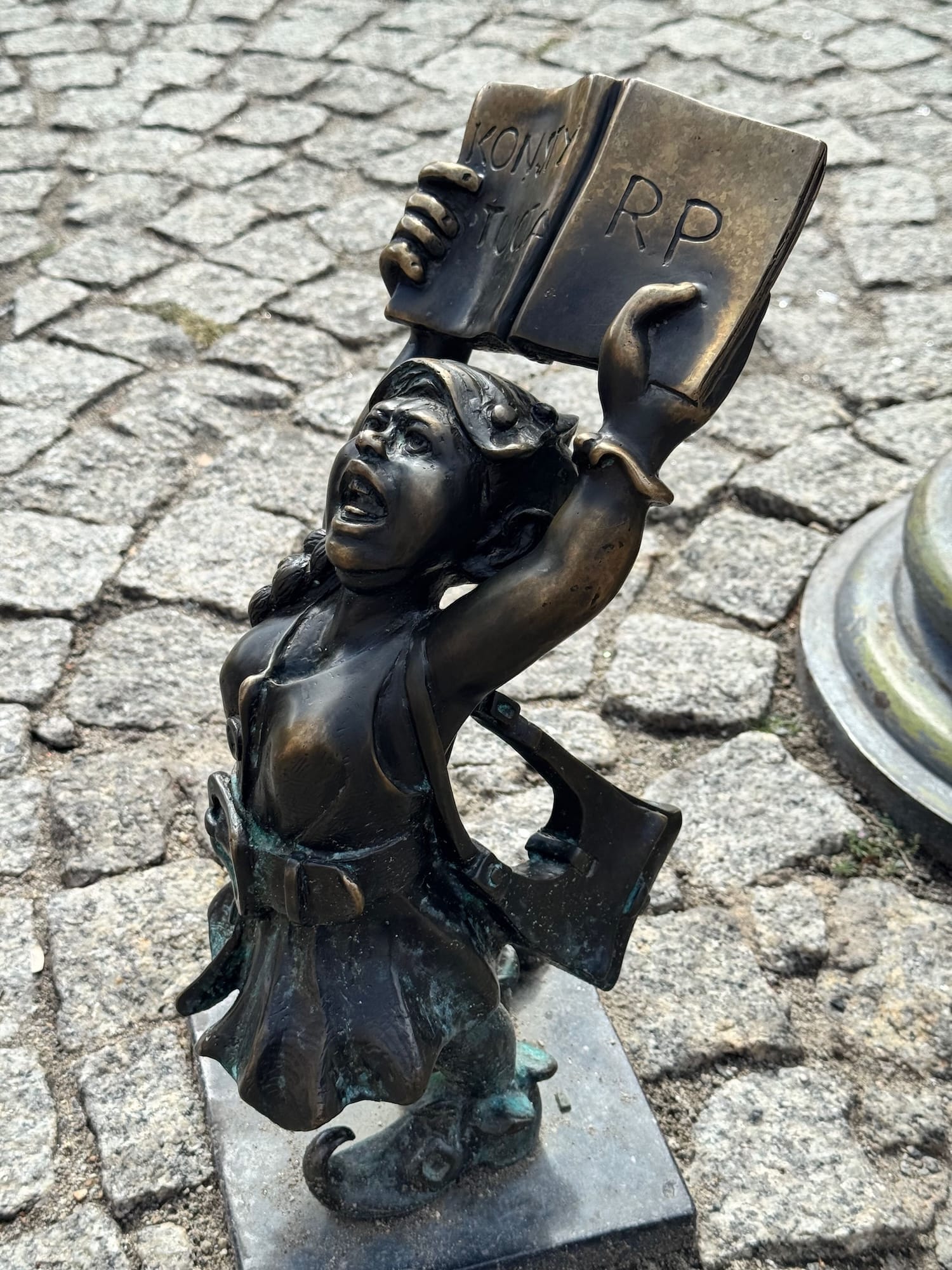
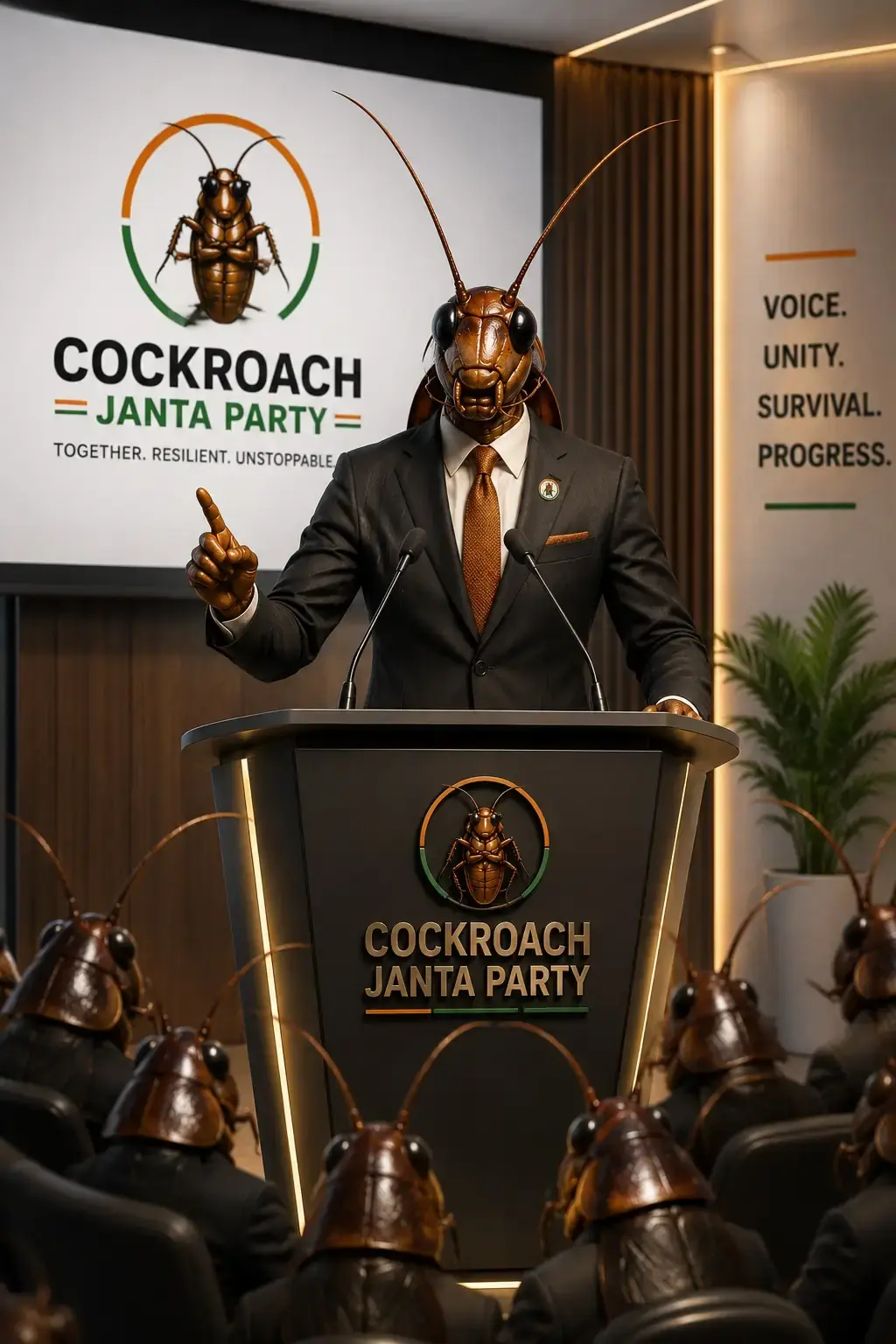
John Bull poster, photo of the original dwarf graffiti (Hiuppo, CC BY 2.5), modern dwarf statue in Wrocław, Cockroach Janta Party AI image
In the science fiction "The Waldo Moment" episode of Black Mirror, an animated blue bear becomes a politician. So maybe Aitana will convince us to vote for her?
While electing a non-human politician is unlikely, people have influenced public opinion with relatable characters for centuries. The Facebook-Cambridge Analytica scandal was the most known and successful use of AI in politics. That include manufactured images depicting humans to target and sway specific voters. We entered a new political age from the 2010s onward.
If in the past a hand drawn figure could affect policy, then the AI Influencers are offering higher fidelity of political persuasion.
Legal defence against AI videos
Luckily, we have structures in place to protect us from some of the AI's negative effects. Most importantly, only a natural person can be elected. They may use fictional personas (e.g. Santa Claus), but they need verified identities. So Aitana can't be the next Spanish prime minister.
Taiwan effectively curbing AI extent
Deepfake impersonations of known people and funding viral content remain another threat to democracy. However, Taiwan shows it can reduce it. They educate the public by pre-bunking deepfakes. Such regulations result in increase society's trust in government. And high scores of Taiwan's political rights and civil liberties.
 Alphonce Shiundu
AI videos are in the public domain
If a monkey cannot copyright pictures it takes, then AI-generated content cannot be copyrighted either. That's the ruling of the US Supreme Court and other courts. Which makes sense. Only legal entities can own intellectual property.
 Aditi
Aditi
Property rights are enforced globally
In February 2026, the AI video model Seedance 2.0 became viral with its Breaking Bad recreation. This LLM, trained by ByteDance (owner of TikTok) generated believable videos from my favorite drama series. Yet, the cease and desist order effectively shut down this infringing marketing tactic. Therefore, even if the AI can create new scenes from known movies, it can't do it without written permission and royalties.
Seedance 2.0 demo video shows its capabilities
Preventing AI from replacing actors on set (without compensation and consent)
In my previous post, I envisioned that a solo creator can create an entire movie. The toolset is already here, and it would be like what video game fans did with machinima for decades.
 Piotrek Bodera
However, the 2023 SAG-AFTRA strike led Hollywood to safeguard its position. Rightfully so. Even if film studios want to use Seedance 2.0 or other AI tools, they still need to compensate actors and screenwriters.
I wouldn’t enjoy watching non-consensual deepfake infringing content. However, there are signs that some actors may license their likeness. The most notable is Michael Caine licensing his voice to ElevenLabs. Allowing anyone to generate a voiceover in Michael's characteristic tone.
 Dustin Blank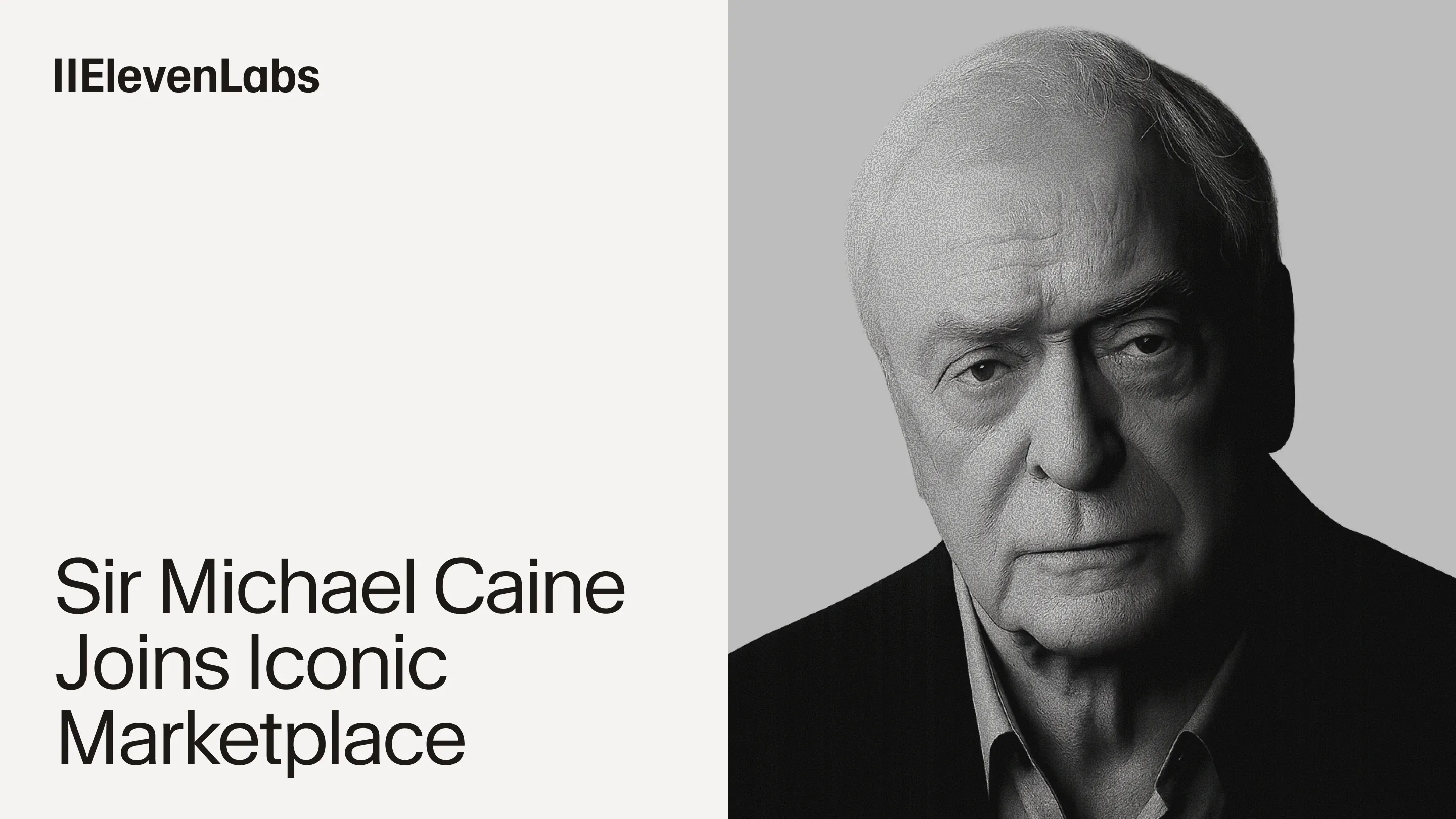
What else can we do to prevent AI's negative effects?
Please note that artificial intelligence is a fascinating tool. I use it every day, and often write about it. However, the more a tool influences people, the more scrutiny it deserves.
As I wrote before, I love movies because they inspire me to explore the world. Considering the rising influence of AI video generation on filmmaking; I wanted to share my perspective. Illuminating current AI video capabilities and their constraints.
In this and previous articles, I have specifically focused on AI video generation. Because videos influence most people. Moreover, distinguishing between actual video footage and an AI generated one becomes increasingly challenging.
Furthermore, I know that the debates about AI are wide and complex. I too educate myself and focus on us, human beings. Not on interests of the AI companies.
Therefore, if you wish to learn more about preventing AI's negative effects, I suggest:
- Exploring Electronic Frontier Foundation materials about AI.
- Considering joining tech unions to advocate for workers' rights.
- Reading The Reverse Centaur's Guide to Life After AI by Cory Doctorow.
Over to you
Will the AI films ever dominate the box office? Do you create your own AI videos? Or do you actively filter them out?
Reply and tell me what you think. I strive to respond to every comment, and I'd love hearing from you.
See you next Tuesday.


Discussion