


Travel and commerce work hand in hand. It has been true for Thailand and elsewhere, as nomads love spending on local experiences and goods. Merchants that want to meet travelers' diverse needs experience this too. Therefore, I'm thrilled that QR payments are becoming the new standard in Thailand. Notwithstanding many challenges that nomads face.
What's Thai QR PromptPay?
Yes, I understand that national QR payment systems were primarily developed for domestic purposes. Most of Asia never adopted card payments, with India being one example. However, we all adopted smartphones. Therefore, the QR open standard emerged as a new payment method. Enabling easier payments for locals and nomads alike.
 Piotrek Bodera
Similarly, in 2015 Thailand created its own PromptPay system. QR functionality appeared in 2019. Completing the cashless transition for Thai baht instant transfers. Crucially, ASEAN established the Integrated QR Code Payment System in 2023 for cross-border transfers.
The current TAGTHAi top-up flow is problematic
Many travel guides for Thailand point to the TAGTHAi app. This all-in-one government commissioned app offers the ewallet functionality. Some traditional tourists may even find it useful, but not digital nomads. You use TAGTHAi like this:
- Bring USD or other foreign currency, as they don’t accept Thai baht.
- Find KBank branch.
- Be there during their opening hours.
- Stay in a queue.
- Exchange your foreign currency for Thai baht using expensive KBank rates.
- Deposit converted Thai baht to TAGTHAi.
- At last, be able to use TAGTHAi to pay via QR codes.
No one I know does this. QR payments were invented to improve the flow of money. Since tourism generates 12 to 17% of Thailand's GDP, that should be easier. Luckily, there's a solution.
Malaysian Touch'n Go app for Thai PromptPay QR payments
It may be counterintuitive to use an ewallet app from another country. Yet, plenty of digital nomads circle around Southeast Asia, so it makes sense. Actually, I found this payment solution by accident.
Since 2024, I've been based in Malaysia. Most stores and restaurants accept card payments here. So I default to my Revolut Apple Pay card. However, some places only accept Malaysian DuitNow QR payments. So I dabbled into three popular ewallets: Grab (within the e-hailing app), Boost, and Touch’n Go.
The last one started as transit cards and then evolved into an ewallet app. And thanks to the ASEAN Integrated QR initiative, they now support QR payments in:
- Thailand
- Indonesia
- Vietnam
- Laos
- Cambodia
- Singapore
- other destinations
Most importantly, from a digital nomad perspective, the Touch’n Go can be topped-up via Wise.
How to register for the Touch’n Go app to use Thai PromptPay QR payments?
- Come to Malaysia for a few days.
- Get a Malaysian phone number with the Hotlink prepaid Pantas plan. In my research, it's the only one that offers 365 days of validity for a low flat rate. Plus, they have 5G, eSIM, Wi-Fi calling, affordable ASEAN roaming, and a solid Maxis network.
- Download the Touch’n Go app.
- Complete the registration and KYC verification.
- Activate DuitNow by connecting your Malaysian phone number.
- Transfer Malaysian ringgits from your personal Wise account to Touch’n Go via DuitNow.
Advantages of the Touch’n Go app
The payments are straightforward yet lengthy. Tap the QR scan button at the bottom of the screen. Scan merchant’s QR code. Accept the payment. Wait 5 seconds. Validate via PIN or Face ID. Done.
You can also use it at 7-Eleven and any other shops that accept Alipay+. This is the reverse-charge mechanism. The checkout process scans the code from your phone. The TAGTHAi app only supports the Thai PromptPay QR, not Alipay+. This is a Chinese international payment system, supported by 7-Eleven and many other places.
The payments were reliable and instant. All my transactions with merchants went smoothly. Which was not the case with Indian UPI QR payments.
Disadvantages of Touch’n Go app
You probably noticed that to use the Touch’n Go app you have to accept double currency exchange. From your base currency to MYR via Wise, and from MYR to THB via Touch'n'Go. In general, I try to avoid it. But since I wanted to use QR payments in Thailand, I accepted this cost.
Currently, there's no way to move money from Touch’n’Go to Wise. So once you top-up your Touch’n’Go e-wallet, you lock your money in. Spend it in Thailand or Malaysia.
Touch'n'Go has terrible user experience. Like many other Asian contenders, they aspire to be a super app. Expect bazillion pop-ups, constant notifications, intrusive ads, shifting buttons, nested menus, surveys, etc.
I consider Apple Pay the gold standard for mobile payments. Double press the side button, confirm with Face ID, done. Three steps instead of at least 7 in Touch’n Go. Plus the mandatory waiting pause of five seconds.
The DuitNow connection with Malaysian phone numbers occasionally breaks. When this happened to me, the Touch’n’Go customer support was unresponsive and unhelpful. After experimenting, I learned I needed to re-link my phone number to DuitNow in Touch’n’Go.
If the Thai QR code belongs to an individual rather than a business, you see a generic error: empty or unrecognized QR code. Which is confusing, as the QR code is valid, but only the locals can use it.
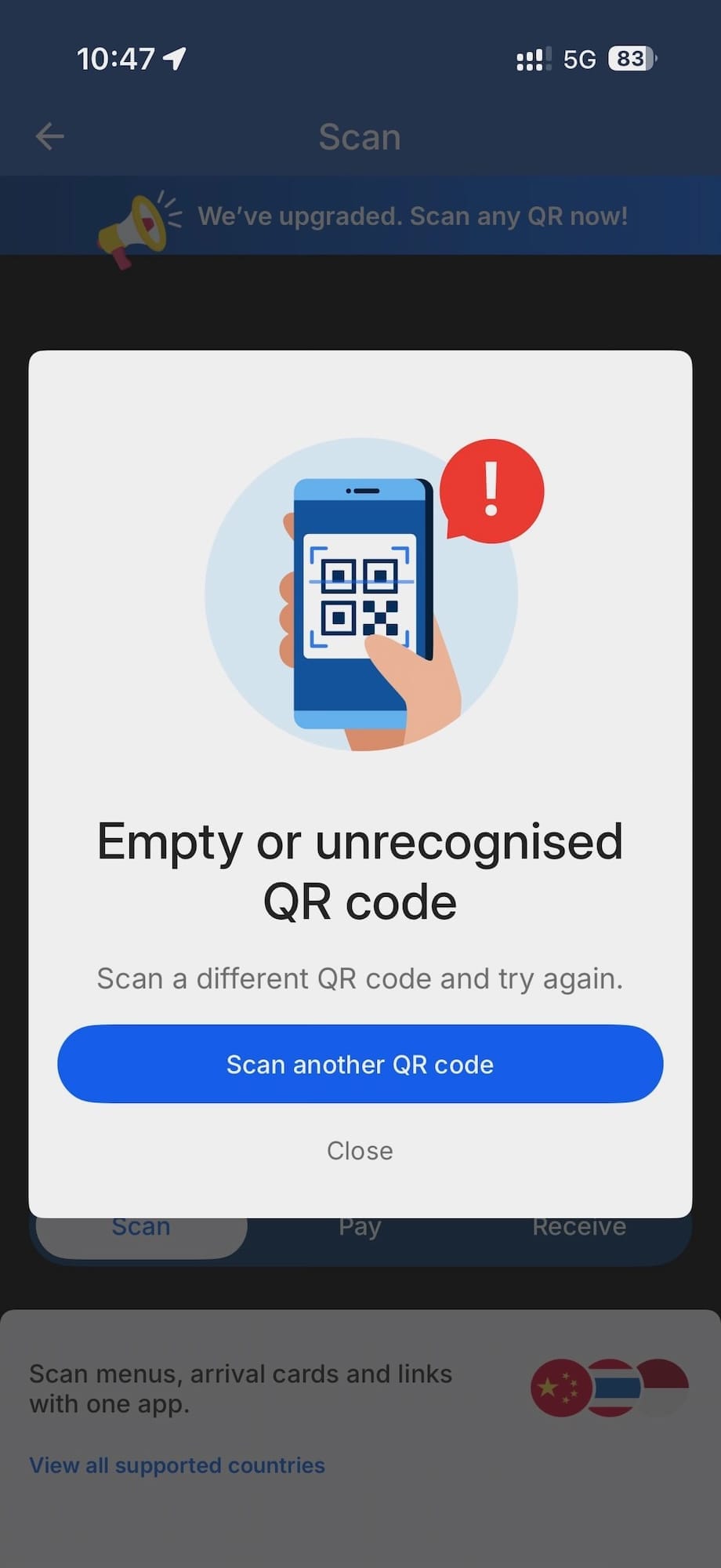
You can only pay merchants, not individuals, in Thailand via QR PromptPay
This is a universal problem across all QR payment systems. I noticed that in Malaysia, India, and now Thailand. Every country is so restrictive on anti-laundering that they don’t allow any payments from foreign individuals to locals.
As a nomad, you can only pay Thai businesses via QR PromptPay. Yet, you never know if the QR code you're scanning belongs to a registered business. Some night market stalls are, then you can pay. Conversely, some physical stores on major streets aren’t registered. Then you can’t pay via QR.
This artificial barrier applies to ASEAN citizens as well. My partner is Malaysian and she can't use the Thai individual QR codes either. It's silly.
I assume it's easier for the Thai government to control the money flow (and taxes) with registered businesses. Yet, the ASEAN Integrated QR initiative is supposed to improve cross-border payments. And many of them are between foreigners and locals running their street stalls.
Instead of blocking this path, why don’t they cap it? To a certain amount per transaction or per day?
Moreta Pay app — is it an alternative?
During my research for this article, I found out about Moreta Pay. A US-centric wallet that focuses on QR payments. They already support many countries, including Thailand.


Given that their web and app design is far better than Touch'n Go's, I was enthusiastic about giving it a go. Moreover, their fees appear transparent and low. All great, but Moreta Pay has limited operations in Thailand. Currently, only US and Canada citizens can use the app in Thailand.
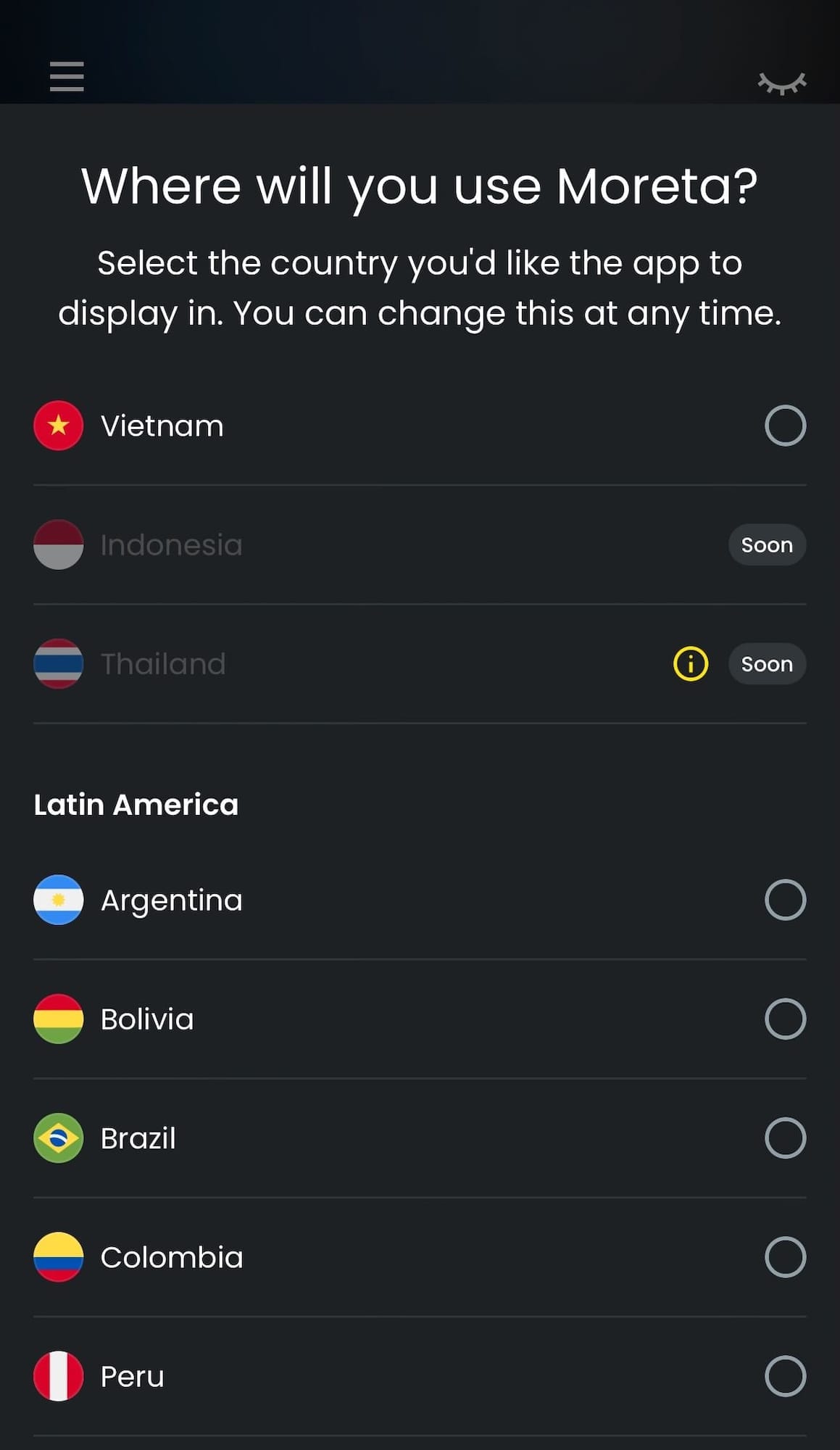
If you are from North America, then try it and let me know about your experience. With it, you can skip the hassle of getting a Malaysian phone number, DuitNow, and Touch’n Go.
Wise built-in QR code and Alipay+ payments
Since Wise is a major payment app among nomads, then why use Touch’n Go, Moreta Pay, or other wallets? Indeed, the interoperability gap is narrowing.
As mentioned, QR codes are an open standard. The national QR payment systems accept money from foreigners. Wise has already been integrating international bank transfers for 15 years. So it's logical that they support QR payments as well.
Only recently, I discovered Wise has been growing its list of supported QR codes. And they support Alipay+ reverse-charge payments as well. So you can pay at Thai 7-Eleven via Wise.


Keep in mind that Thailand QR PromptPay is not yet supported. Which is probably related to their ongoing regulatory process. Nevertheless, I feel it’s a matter of time. Next time I visit Thailand, I should be able to pay via QR codes directly from my Wise account.
Why not Revolut?
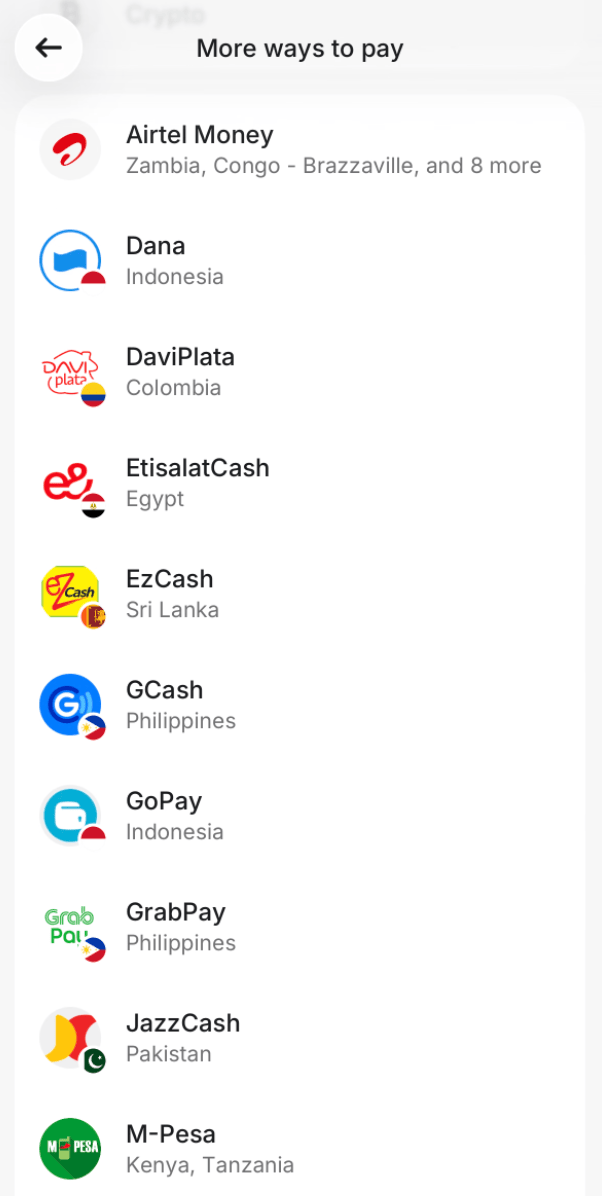
Revolut is developing in a different direction than Wise. They do support many international transfer systems, like:
- GoPay, Dana, Shopee Pay in Indonesia
- GrabPay, PayMaya in the Philippines
- Momo in Vietnam
However, there's currently no support for QR payments. To make it happen, it's best to pass the feature request via their in-app chat.
How do I envision the future of QR payments?
The QR codes are simple and brilliant. I'm glad that the 2D high contrast images are transforming the way we pay. It took a while until iOS and Android integrated QR scanning directly into the camera. But now it's a standard feature.
The next step is setting up the default wallet app on the phone. Similar to how we can pick the default browser, email, or messaging app. I'd love to select my Wise/Revolut and then pay via QR. Not only in Thailand, but everywhere.
How to pay in Thailand?
I jumped through hoops and accepted the double exchange rates because I wanted the convenience of digital payments. However, traveling always surprises me. So in the end I used:
- Touch’n Go whenever the seller had the business QR code
- Alipay+ via Touch’n Go in 7-Eleven stores
- Apple Pay or Google Pay in supermarkets or up-scale restaurants
- Debit card to withdraw from ATMs and pay in cash when QR didn’t work
- Bank transfers from Revolut to my apartment owner to pay for housekeeping
That's why when you come to Thailand, I recommend having all these payment options ready.
Over to you
What's your experience with Thai QR payments? What other apps or methods did you find effective? Or do you just pay cash for everything?
Reply and tell me what you think. I strive to respond to every comment, and I'd love hearing from you.
See you next Tuesday.


Discussion