


The term "digital" in digital nomad exists for a reason. Only thanks to the ever-present Internet and abundant screens, we can roam the globe while working remotely. But there's a dark side to this always-on lifestyle. Disconnecting completely is not the answer.
Mark, a good friend of mine, sent me: Humanity For The Win. He's a British sysadmin living in Taiwan, with whom I share a passion for adventure and tech. The recommended article struck a chord with me:
This revolution is the entirely predictable backlash to The Age of Digital Plenty. It is the return of human interaction, the reopening of old channels, the re-kindling of writing and thinking; it is the return to the long game and the eschewing of hacks.

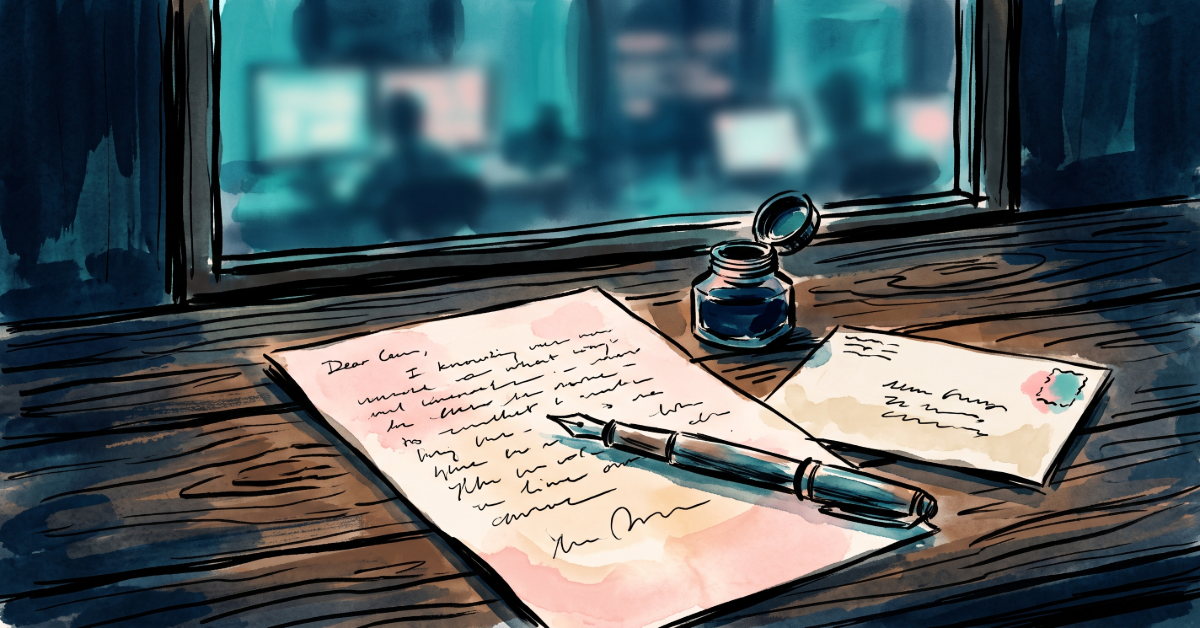
The backlash to the age of digital plenty
It's nothing new. 20-30 years ago, I experienced a similar phenomenon in gaming. The Game Boy was my favorite portable device. I spent countless hours with Dreamcast, GameCube, Xbox, PlayStation, and PC games.
Organizing game nights and LAN parties created long-lasting friendships. But I also met people with, soon to be defined, Gaming Disorder. Those who damaged their health, finances, and relationships because they couldn’t stop playing. Lost in the fantasy world of World of Warcraft or Grand Theft Auto.
Similar, to gambling or alcohol addiction, the reality is nuanced. Not everyone who enjoys poker or wine is addicted. Yet nature and nurture increase the risk.

Is digital the new addiction?
Currently not.
Partly because "digital" is a broad term. And partly because of the constant technological convergence. Where one device (like a smartphone) replaces other devices (like a PC, notepad, music player, etc.). Or one service (like YouTube) replaces other services (like podcasts, television, live broadcasts, etc.).
Nevertheless, observations are valid:
- The Social Dilemma documentary was an informative summary of dark patterns used by social media platforms to addict users
- Screen time is growing globally because work requires it and digital leisure is convenient
- AI chatbots create unique forms of psychosis
Since these are recent phenomena, scientific research on them is still in its infancy. Therefore, I assume that in 10-20 years we'll have a defined disorder and subsequent treatments.
What video games taught me?
Over decades spent playing video games, these are my key discoveries:
- Couch cooperative games build friendships better than online titles
- Series like Uncharted or Assassin’s Creed, based on real locations, made me want to see these destinations firsthand
- Ludology shows that games create social bonds in all human cultures throughout history
Therefore, I apply a similar perspective to the current digital world. Namely:
- Meeting fellow digital nomads in person is better than online hangouts
- Living in different countries gives insight that no travel vlogs can provide
- In time, science names and showcases the benefits and risks of all things digital

How to be more offline?
Most likely, you are reading this article on your phone. Or listening to it on your headphones. Once you're done, put the device away. We all hold that incredible power.
The effects are even stronger when you do it with others. Hence, I'm excited to see initiatives like The Offline Club taking off. These meetups started in Amsterdam to cherish non-digital activities. Now they’re expanding globally.
People love them because they create a safe space to read physical books, play board games, craft, or just talk. And because they use a proven low-tech solution to a common high-tech problem.

To be clear, "digital" isn't the root issue. It's the always-on and hyper stimulating phenomenon of the digital world. Modern society created it, so we can also change it.
If The Offline Club isn't in your area, consider organizing your own. Start small. Invite a few friends and ask to put away their phones for two hours in a dedicated box. Funny and engaging games like Coyote, Trio, or Quacks of Quedlinburg will keep everyone in the flow. And away from thinking about their phones.
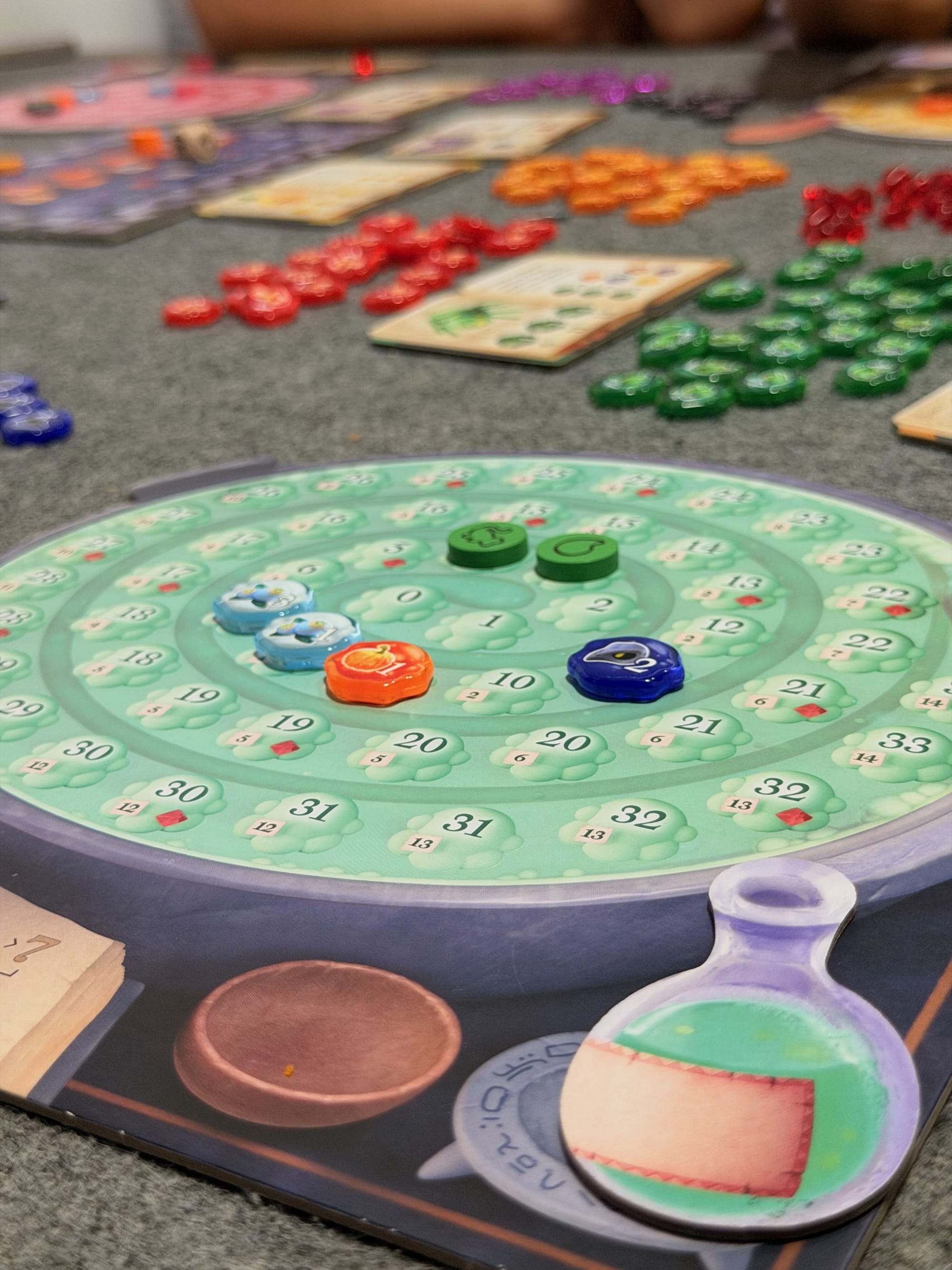
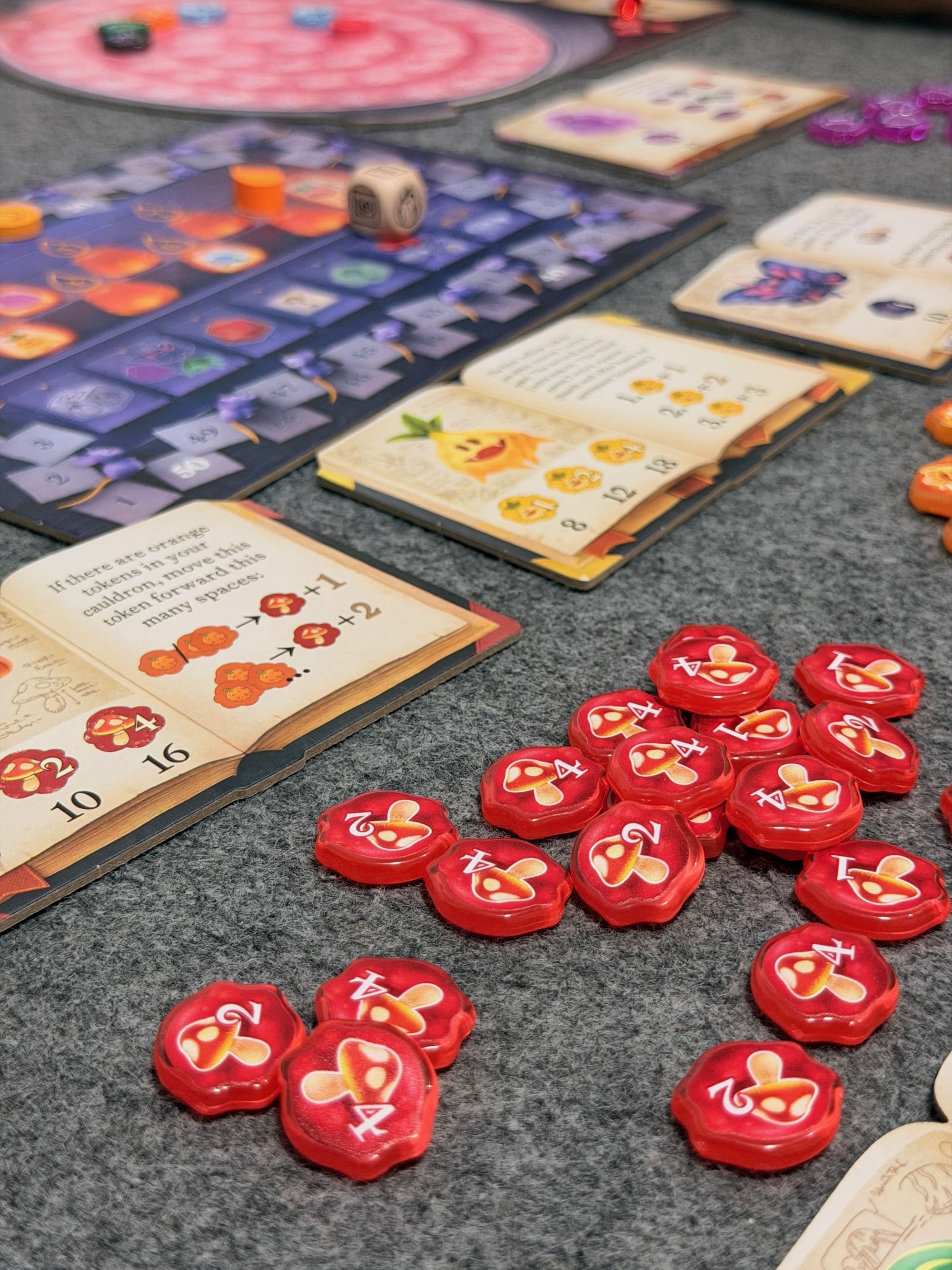
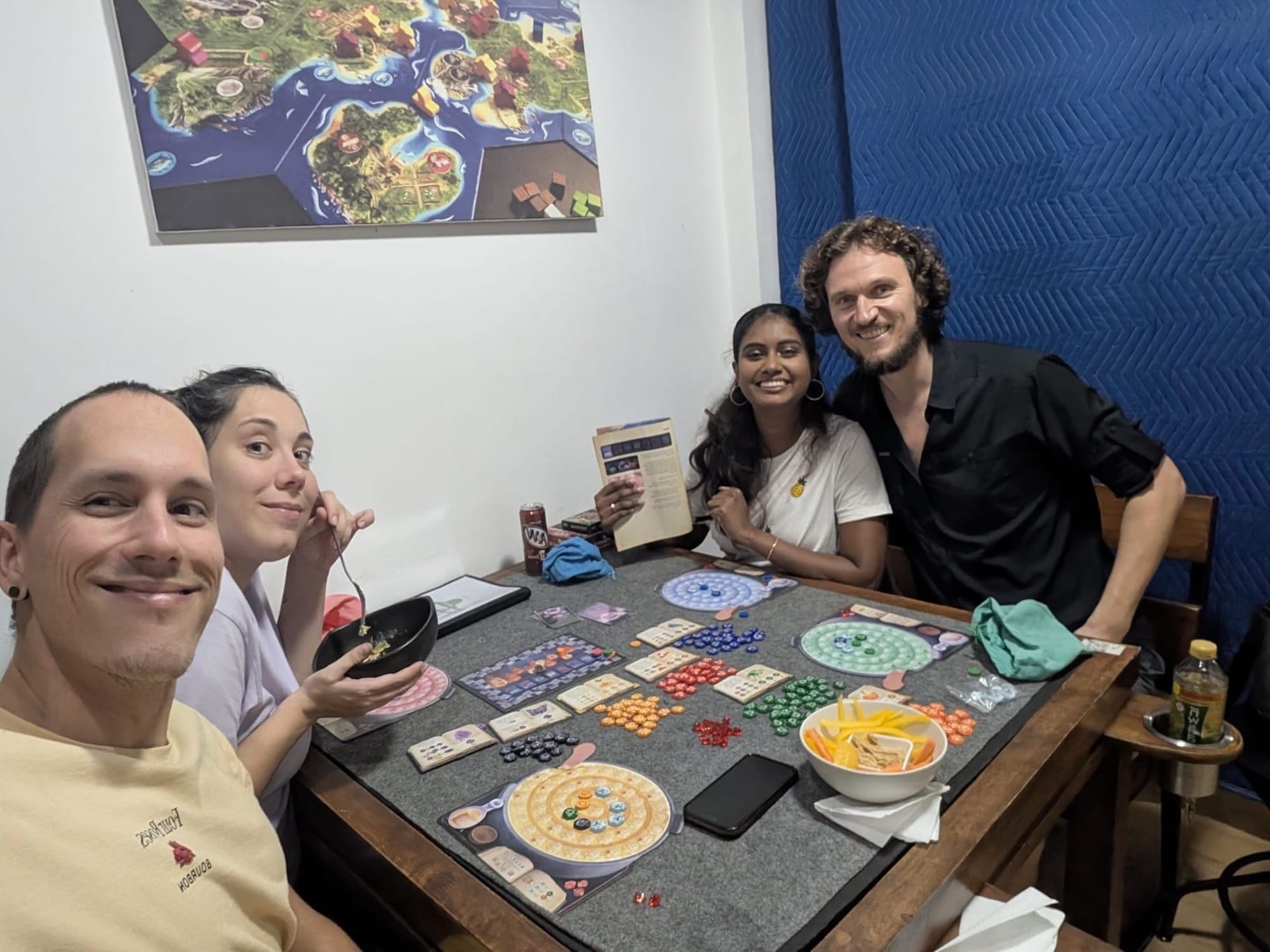
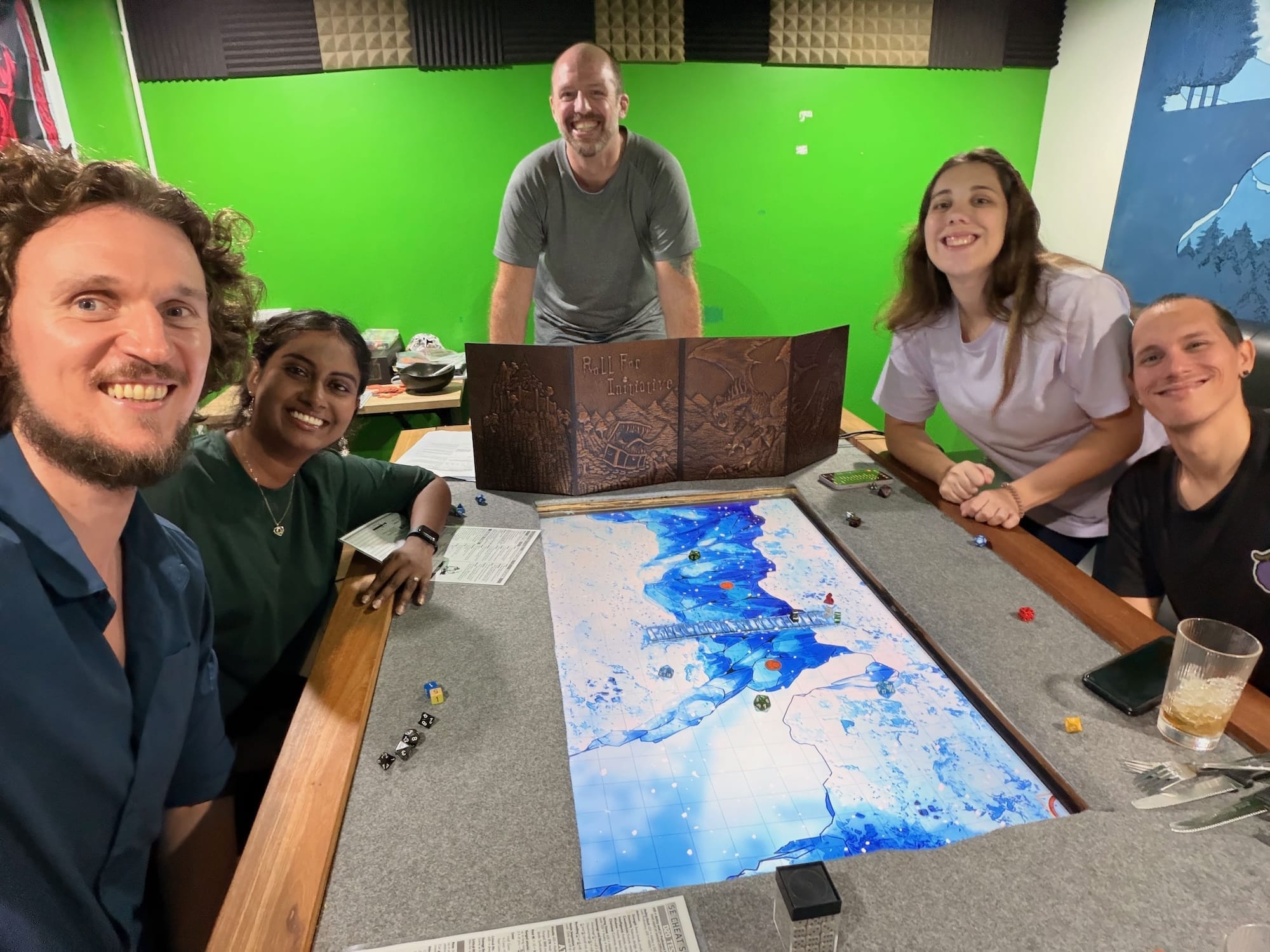
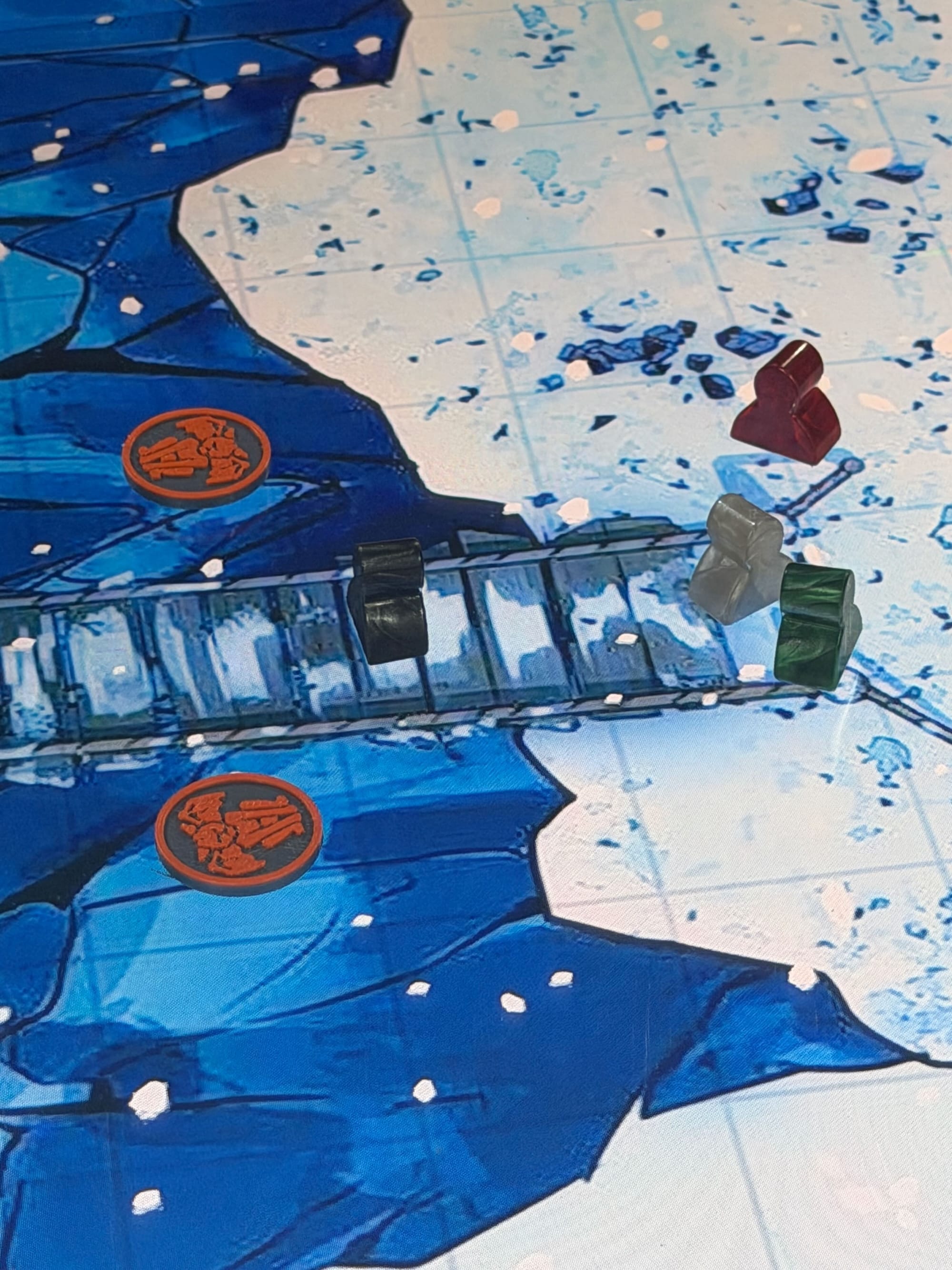

Our board game sessions with Ramón and Sole from Mapmelon
How not to get addicted to the digital world?
Mēdèn ágan — nothing in excess; an ancient Greek proverb
I am a nerd. Technology has been present in my life since my childhood. Yet over the years I realized that digital is an enabler. Not a goal. That's why I apply it in moderation.
My remote work requires me to spend most of the day in front of a computer. To ease my eyes, I use Look Away on my Mac. Every 20 minutes it blocks the screen for 20 seconds, prompting me to look into the distance. This rests my eyes and prevents short-sightedness.
 Nova Mindset Coaching
Most nomads sit in front of their screens. Since most apartments and cafes don't provide ergonomic chairs, it negatively affects our posture. However, I rotate between my impromptu stand-up desk and a couch. My Apple Watch that nudges me to stand up every hour helps with that. Plus, every midday I do a 30-minute yoga session focusing on my core.
Lastly, staying in touch via text messages is fine. And I'm glad that Beeper allows me to manage all my chats in one place. Yet audio calls are so much better. A 1-hour conversation with a dear friend is a more meaningful method of interaction. It rekindles the connection, finds joy in our shared history, and allows us to discuss future travel plans. To reunite in person and put away the devices.
 Piotrek Bodera
Over to you
How do you moderate your digital life? What are your favorite offline activities? Do you think AI voice assistants will help decrease screen time?
Reply and tell me what you think. I strive to respond to every comment, and I'd love hearing from you.
See you next Tuesday.


Discussion