


Most of the global population stays in its home country. And around 1.5 billion people travel abroad each year. Yet, digital nomads have the unique ability to change their home base frequently. Why is that?

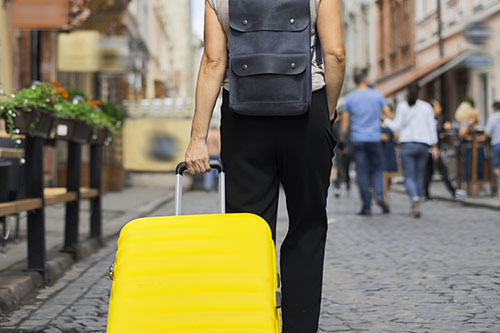
Poland seemed permanent throughout my initial twenty years. I was born there and enjoyed an affluent childhood during the 1990s post-communist boom. This meant family vacations in Italy, Germany, and Austria.
I caught the travel bug early. Simultaneously with my passion for technology. Which led me to my expat life in Italy, Japan, Australia, Spain, and now Malaysia. Countless digital nomads I talk to on my podcast have similar stories.
From seasons to cities to clouds
In the past, many hunter-gatherer tribes were seasonal nomads. Their mobility varied by ecology and culture. Nature dictated how often and where they moved.
We stopped moving when civilization was established. Cities became the new permanent homes. After thousands of years of technological and social progress, most people now live in urban areas. But that's not enough.
By the 20th century, millions of Americans and then Europeans created a new type of mobility. We were born in one place, studied in the other, worked in the third, retired in the fourth.
Now I observe that this trend is going global. And digital nomadism is part of the cycle. Because our lives are in the clouds.
For millions to gain mobility, what advancements were necessary?
From my perspective, these are the key factors:
- Affordable air travel, trains, buses, and cars.
- Miniaturization of devices: computers, phones, etc.
- Omnipresent Internet: cloud services, Wi-Fi, mobile data, satellites.
- International and interoperable payment systems.
- Streamlined visa and immigration processes.
- Digitization of work and bureaucracy.
These were separate developments in distinct industries. Yet their convergence means creating a new type of mobility. Freedom of movement that's no longer affected by seasons or life stages. And the freedom to swap home bases anytime.
Set your new home base with an app
My memory spans the time before the convergence. Moving to another country was a feat. Flights were expensive and monopolized by national airlines. Desktop computers were bulky, and mobile phones were like bricks. The Internet was slow and for nerds. Exchanging money meant going to a bank and carrying cash everywhere. Finally crossing borders and getting a visa was laborious.
Fast forward to today, and moving countries is much easier. Flights are more affordable because national airlines have to compete with low-cost carriers. Laptops and smartphones are small yet powerful. The Internet is fast and accessible. Exchanging money is seamless and cheaper. Lastly, visas and border gates are digitized, so they work more efficiently.
Despite pandemics, wars, climate change, and geopolitical tensions, we live during interesting times. The phrase "there's an app for that" suggests global relocation is now simpler. Dedicated apps provide solutions for every challenge.
How are others doing it?
Rob Hallam, a British digital nomad in his 20s, got a lot of attention when he moved to Cyprus. This island nation attracts high-income individuals with its low taxes, sunny weather, and EU benefits. Yet soon after his arrival, Rob realized Cyprus wasn’t for him. So he relocated back to Southeast Asia.
Ilona Vinogradova is a former BBC journalist. She lived in the UK, the US, and the Netherlands. While many people contrast permanent and nomadic lifestyles, Ilona embraces both. Originally from Estonia, she had a home base in London for 15 years, and now roams the world. She dives deep into the local cultures and doesn’t exclude an option to settle down in a new place.
DHH is the creator of Ruby on Rails, Basecamp, and Hey (my favorite email app). Originally from Denmark, he started working remotely in 2001 by co-creating 37signals. He relocated to the US in 2005 and has a family of three kids. This didn’t stop him from switching home bases. As of 2025, he's back in Denmark.


 Piotrek Bodera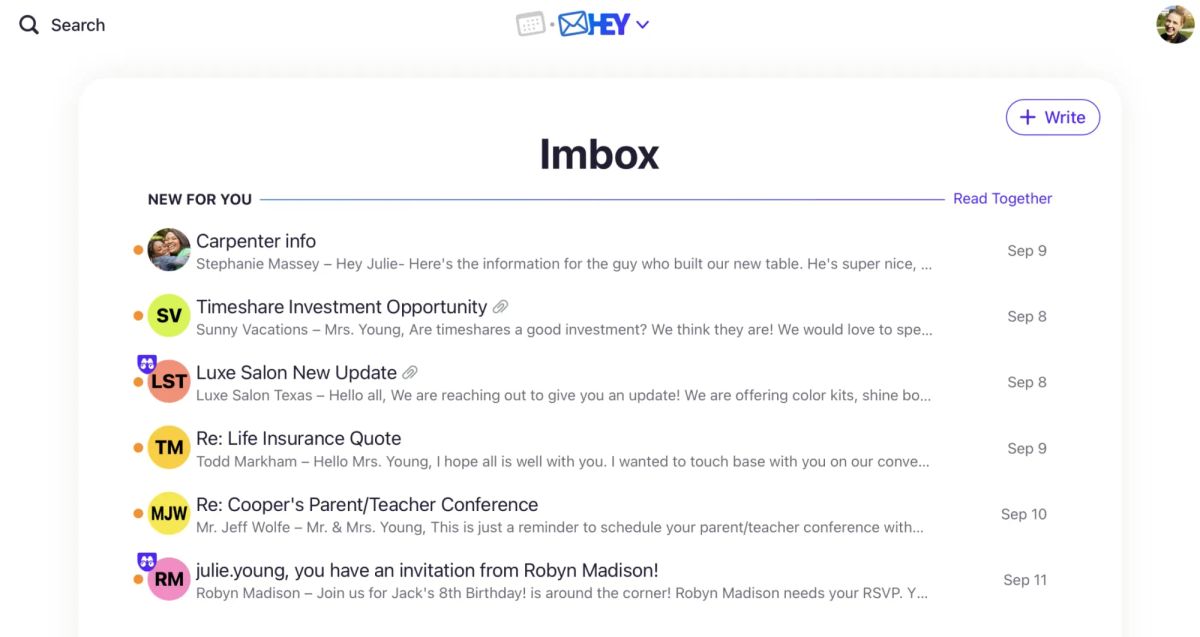
How did I change my home bases?
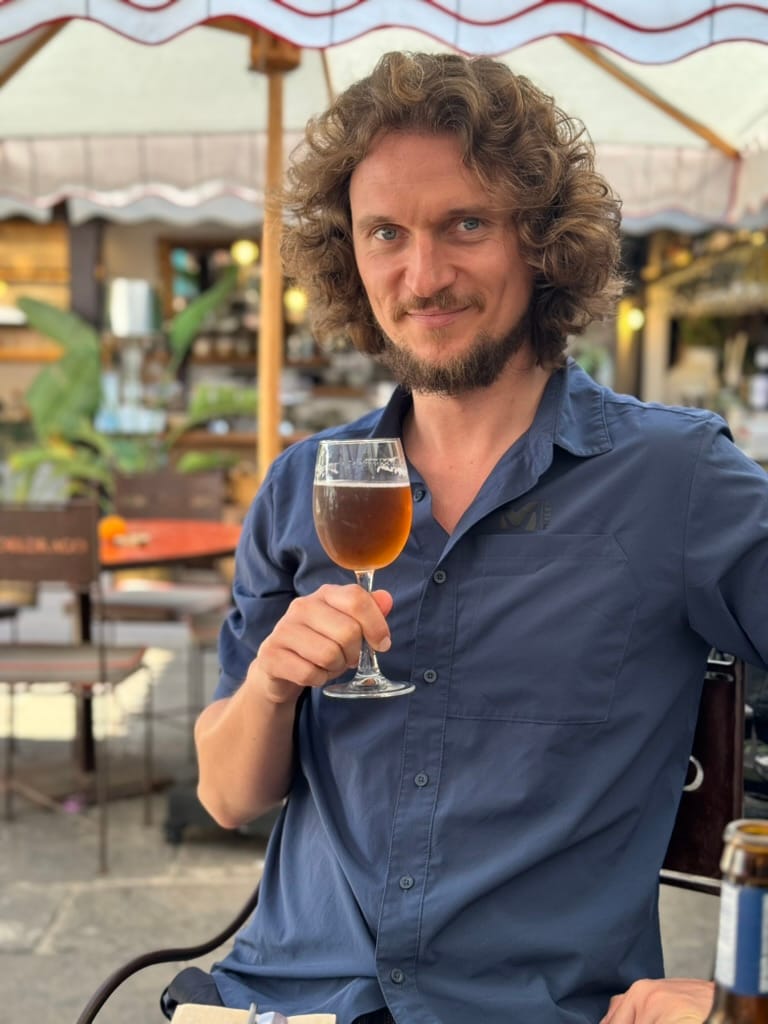
After Poland, Italy was my first base. As a tour operator representative, I moved to the Veneto region. Then I applied for a work and travel visa in Japan and spent a winter in Niseko. Next was Sydney, where I was on a tourist visa and attended startup events. Finally, from 2019 until today, Spain and Malaysia became my home bases. I love the sun and warm weather. That's why I keep rotating between the two.
Irrespective of my home base, I run my company in the UK and I'm a tax resident in Portugal. In both cases, they offer substantial benefits to nomads. And if I find a better location to set up my business or my tax residence, I'd move there.
What's your situation?
Technological convergence increased our mobility. Each day, more individuals gain the capacity to move residence. I've done it multiple times. So I understand the significant time commitment and hard work involved.
Tell me what's on your mind. I run 30-minute chats with nomads to share my perspective and learn about your struggles. Sign up here:


Discussion