


A person who combines traveling and remote work is a digital nomad. If you leverage the Internet and mobile devices to work from anywhere, then you are one of them. Yet, the definition is murky.
I rather use it as a verb than a noun. Because digital nomading is like camping. Tent sleeping, for first-timers, provides an extraordinary experience. You step into a new, unknown world. Where nature sounds become your background music. Uneven ground is your bedding. And fresh air is lighting up your senses.
Your first digital nomad experience is similar. The hip cafe in a far destination brings new sensations. The chatter in a new language builds a unique atmosphere. A fun Wi-Fi password makes you smile. And freshly brewed coffee wakes you up.
The permissionless nature of nomading
Staying overnight in a tent is possible for anyone. Similarly, everyone can sip coffee while tapping on a laptop in a cafe. It comes from freedom. A value that I strongly believe in. Hence, anyone can use the "digital nomad" label.
And I get why many build their identity around it. It's enticing! Some time ago, I was inspired by backpackers. Free spirits who roam the globe with just their carry-ons. Then I studied the lives of adventurers — who are paid to travel. Eventually, after 15 years of managing group tours, I became a full-time nomad.
Not from earning the title. But from my pursuit of freedom and desire to be location independent.
How did we coin the digital nomad term?
Popular Computing magazine named Steven K. Roberts "high-tech nomad" in 1984. That's because he rode across America in his computerized recumbent bicycle. He even had an amateur radio and satellite email to work on the move.
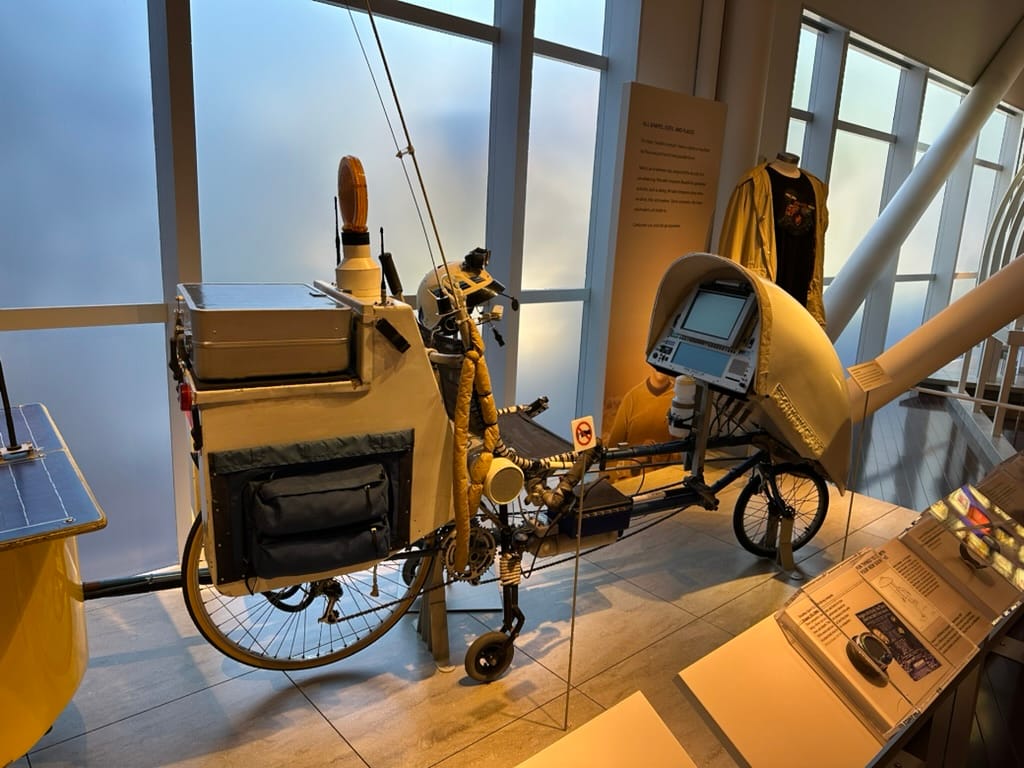
Thanks to early mobile devices (laptops, tablets, PDAs), the "high-tech" morphed into "digital nomad" in the 1990s. In 1992, technologist Carl Malamud defined a digital nomad as someone who "travels the world with a laptop."
The pioneer of the cellular phone industry, Craig McCaw, envisioned in 1993 a new nomadic lifestyle. Similarly, in 1997, the Digital Nomad book by Tsugio Makimoto and David Manners stated that technology freed us "from the constraints of geography and distance."
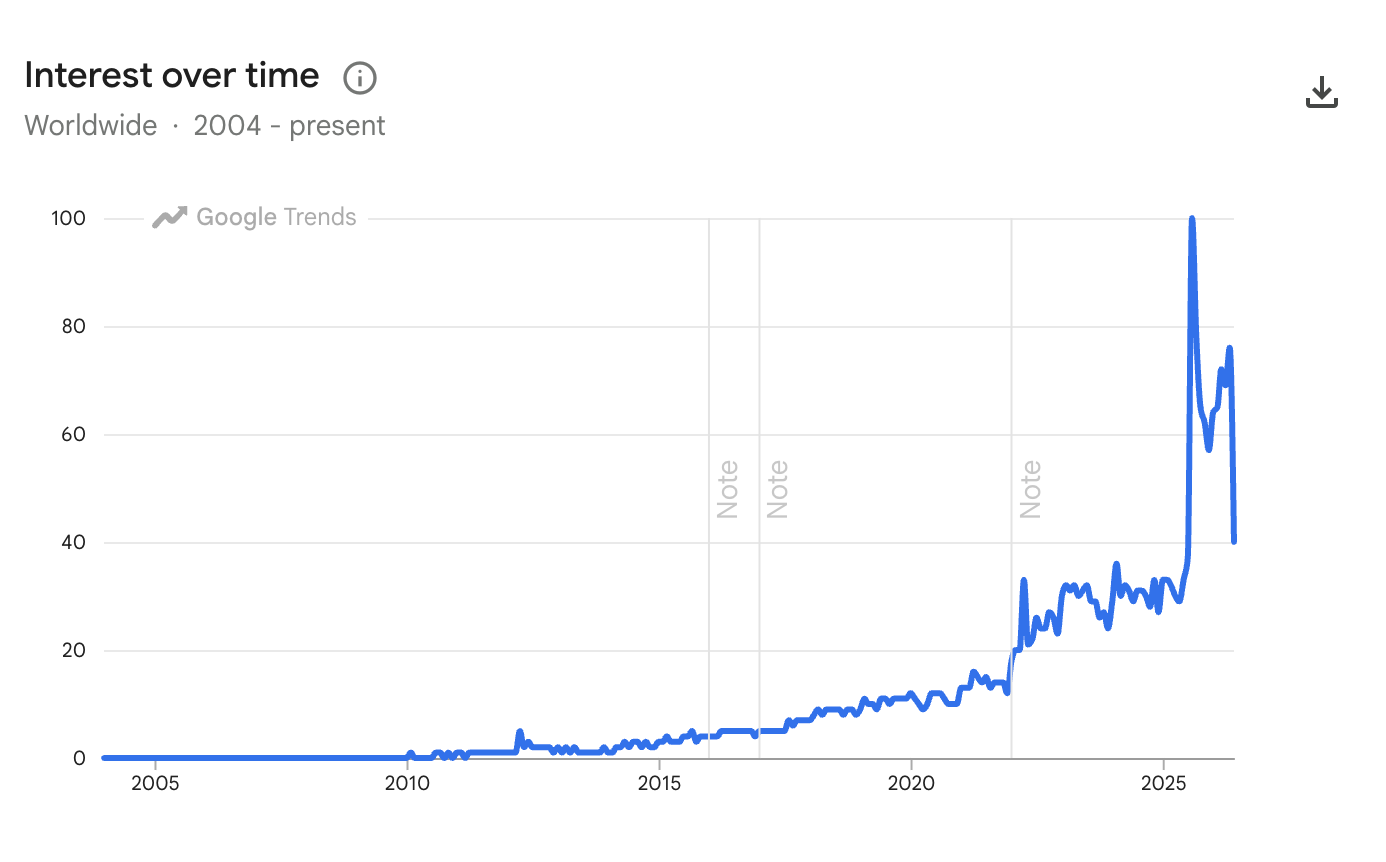
The popularization of digital nomading took another two decades and the convergence of industries described in my previous article:
- Affordable air travel, trains, buses, and cars.
- Miniaturization of devices: computers, phones, etc.
- Omnipresent Internet: cloud services, Wi-Fi, mobile data, satellites.
- International and interoperable payment systems.
- Streamlined visa and immigration processes.
- Digitization of work and bureaucracy.
 Piotrek Bodera
The digital nomad way of life
Once you taste this freedom, you'll want more of it. The beauty is the control of your journey. Of its duration, pace, destination, and shape.
Over the years, I met:
- Hosts passionate about travel who love fostering community in their colivings.
- Sailors, developers, therapists, philosophers, among others who found their peace of mind on the road.
- Nomads who continuously redefine their path, current base, and overall lifestyle.
Honestly, I love the fact that the digital nomad definition is so broad. Moreover, not all individuals who travel and work remotely desire that designation.
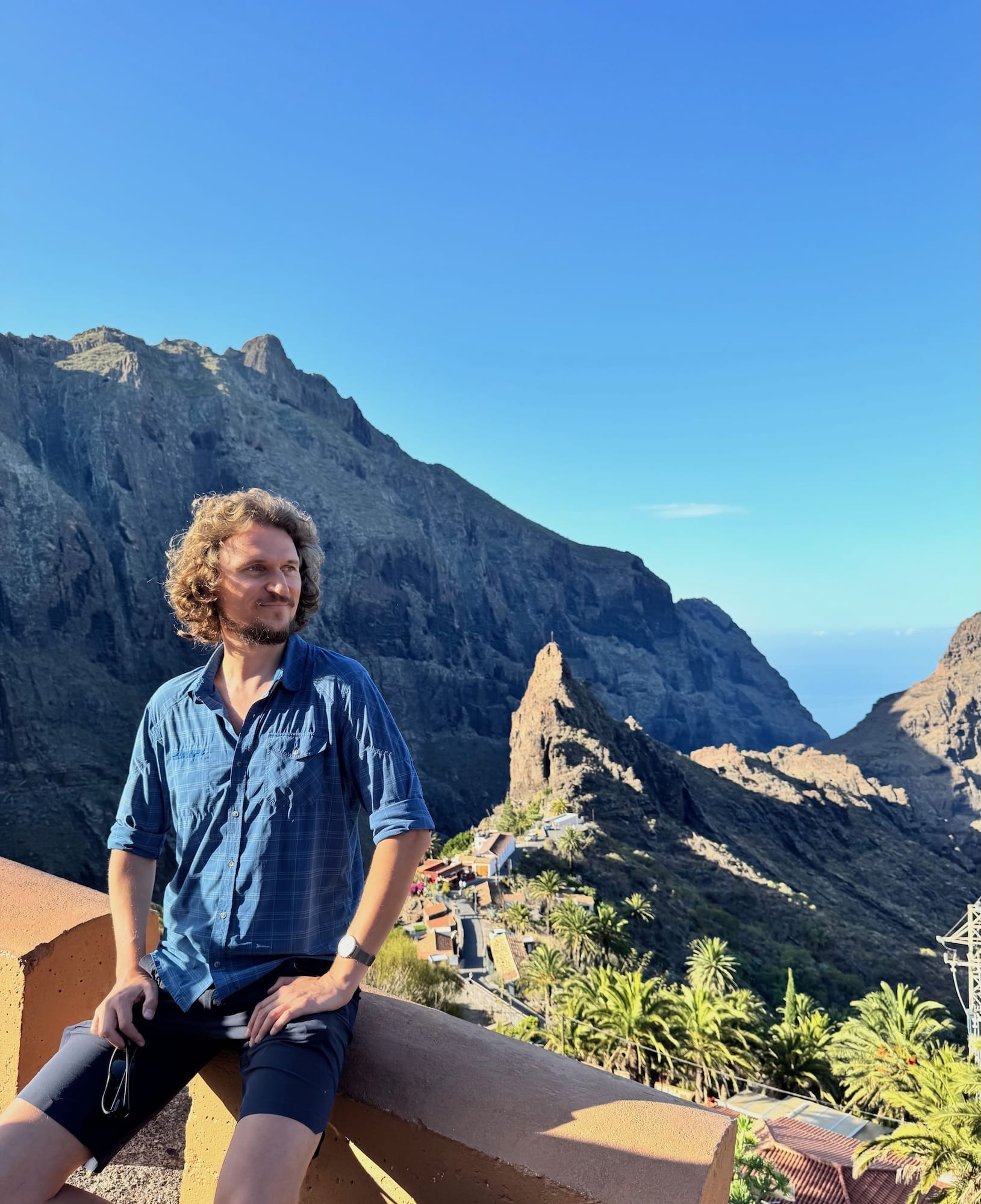
My nomad perspective
Instead of sticking to the "digital nomad" label, I prefer to say that I'm nomading. I treat all technology as just an enabler. Software and hardware solutions to common life-on-the-road problems.
Staying for 1-3 months in every destination is essential. Because the slower pace allows me to experience the local culture and be with people. As healthy relationships are the foundation of my nomad lifestyle.
I go to local meetups and events to feel the vibe of the city. On group chats, I answer questions to help fellow nomads. Since many of my friends are distributed around the world, I call them regularly. Often synchronizing our schedules to meet up in person at the next destination. Like I do with Marc!
What's your digital nomad definition?
Did you already find your path? Do you introduce yourself as a digital nomad? Or do you prefer another definition?
Reply and tell me what you think. I strive to respond to every comment, and I'd love hearing from you.
See you next Tuesday.


Discussion